1. Context: Security Challenges in Balochistan
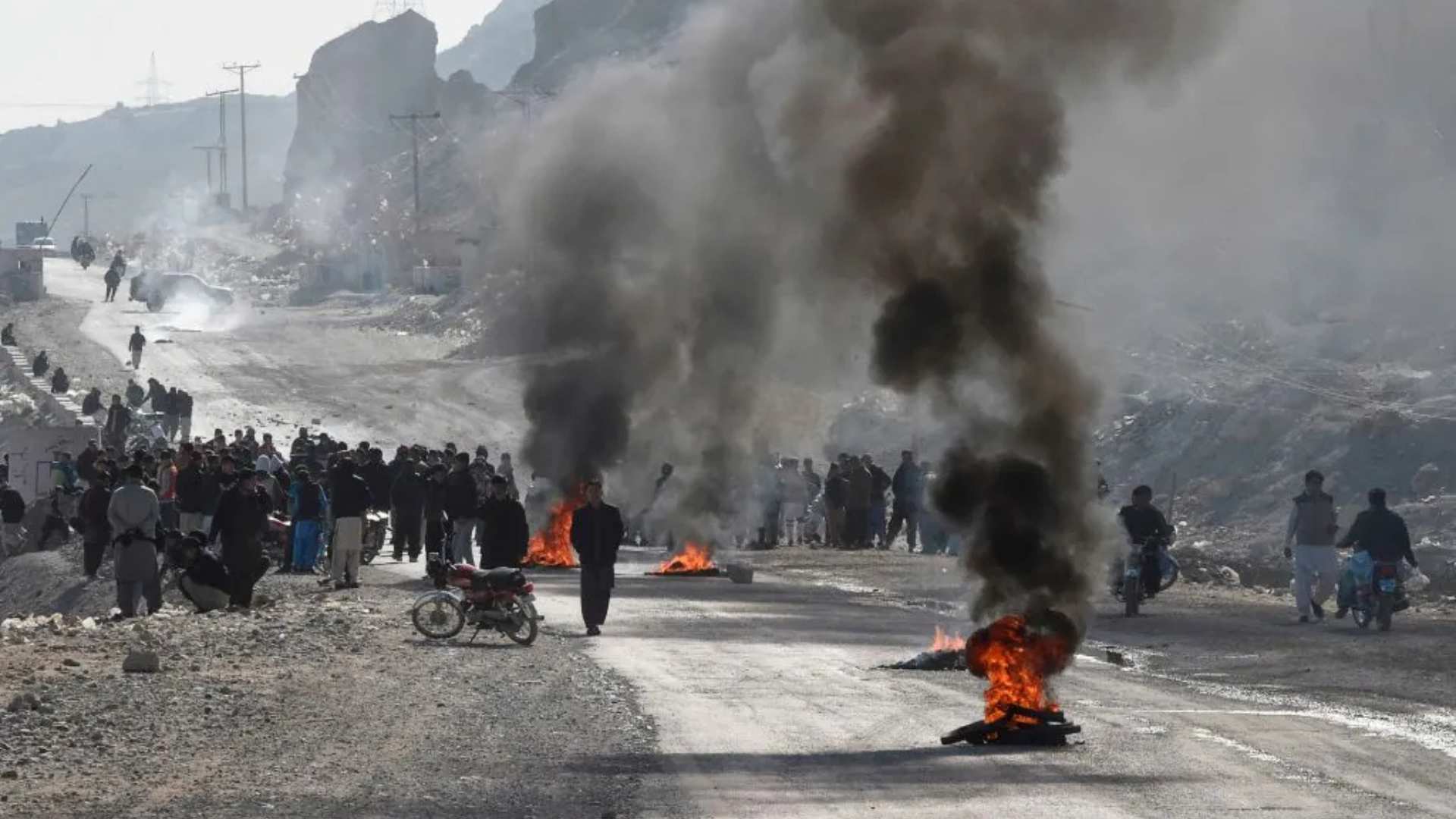
Balochistan, Pakistan’s largest and resource-rich province, continues to experience a deepening cycle of violence. On January 31, coordinated attacks by the Balochistan Liberation Army (BLA) killed at least 30 civilians and 18 security personnel, highlighting persistent security vulnerabilities.
Historically, Balochistan has witnessed multiple waves of insurgency since its annexation in 1948, with grievances arising from economic exclusion, political marginalisation, and lack of local participation in development projects. The province’s strategic Arabian Sea coastline and mineral wealth have intensified both internal and external interest, notably via the $60-billion China-Pakistan Economic Corridor (CPEC).
Persistent unrest in resource-rich regions underscores the interplay between governance deficits and security challenges, demonstrating that coercive approaches alone rarely achieve long-term stability.
2. Drivers of Insurgency
The insurgency is driven by a combination of historical grievances, perceived economic marginalisation, and militarised state responses. Baloch rebel groups, including the BLA and the Balochistan Liberation Front, have formed a united front (Baloch Raaji Aajoi Sangar), enhancing operational coordination.
The Pakistani state’s reliance on military repression, including extrajudicial killings, enforced disappearances, and arbitrary detentions, has often exacerbated alienation. Concurrently, instability in neighbouring Afghanistan, especially after the Taliban’s takeover of Kabul, has provided insurgent groups with space to regroup and expand hit-and-retreat operations, increasing insecurity along border provinces.
-
Impacts:
- Strengthened coordination among rebel groups.
- Decline in law-and-order across tribal and border areas.
- Rising civilian casualties and displacement.
Ignoring underlying political and economic grievances perpetuates insurgency and undermines state legitimacy, creating a cycle of violence and retaliation.
3. Economic and Strategic Dimensions
Balochistan’s mineral wealth and strategic location make it central to regional economic initiatives. Projects like CPEC and foreign mineral extraction deals, often implemented with minimal local consultation, fuel perceptions of exploitation. The lack of transparency, local benefit-sharing, and equitable development aggravates alienation, reinforcing support for insurgent activities.
Data & Evidence:
- Pakistan has pitched mineral extraction deals to American and Chinese companies.
- Balochistan is rich in minerals, hydrocarbons, and has a strategic Arabian Sea coastline.
Development without inclusive governance can exacerbate local grievances, weakening both economic outcomes and security.
4. Governance and Human Rights Issues
Repeated security crackdowns in Balochistan have raised concerns over human rights violations, including extrajudicial killings, enforced disappearances, and arbitrary detentions. Islamabad’s practice of blaming external actors, particularly India, for unrest often sidesteps the need for introspection and reform.
The historical pattern shows that coercive measures may temporarily suppress violence but fail to address core grievances. Lasting stability requires political engagement, reconciliation, and incorporation of local voices in governance and development planning.
Neglecting human rights and accountability not only fuels insurgency but also erodes international legitimacy and prospects for conflict resolution.
5. Implications for Regional Stability
Balochistan’s instability has regional and strategic consequences:
-
Disruption of CPEC and other foreign investments, affecting Pakistan’s economic growth.
-
Potential for cross-border militancy and security risks along the Afghanistan-Pakistan border.
-
Strained Pakistan-India relations, with allegations of external involvement complicating regional diplomacy.
Comparative example:
- Historically, Pakistan has faced five major waves of rebellion in Balochistan, with recurring patterns of military repression followed by fragile lulls.
Failure to integrate political solutions and inclusive development risks perpetual conflict, undermining both internal stability and regional security frameworks.
6. Way Forward
Sustainable peace in Balochistan requires a shift from coercion to political engagement:
- Political reconciliation and dialogue with Baloch leaders and even non-violent elements of rebel groups.
- Addressing economic exclusion, ensuring transparency, and sharing benefits from resource extraction projects.
- Human rights protection and reduction in heavy-handed security operations to build local trust.
- Inclusive governance frameworks that integrate local communities in decision-making processes.
Long-term stability and development in resource-rich, conflict-prone regions demand a balanced strategy combining political accommodation, socio-economic empowerment, and accountable security measures.
Conclusion
Balochistan illustrates the interlinkage between governance deficits, human rights, and insurgency. Addressing historical grievances, ensuring inclusive development, and adopting dialogue-based conflict resolution are essential to break the cycle of violence. Without these measures, Pakistan risks remaining trapped in a self-perpetuating conflict with strategic, economic, and humanitarian consequences.