INTRODUCTION
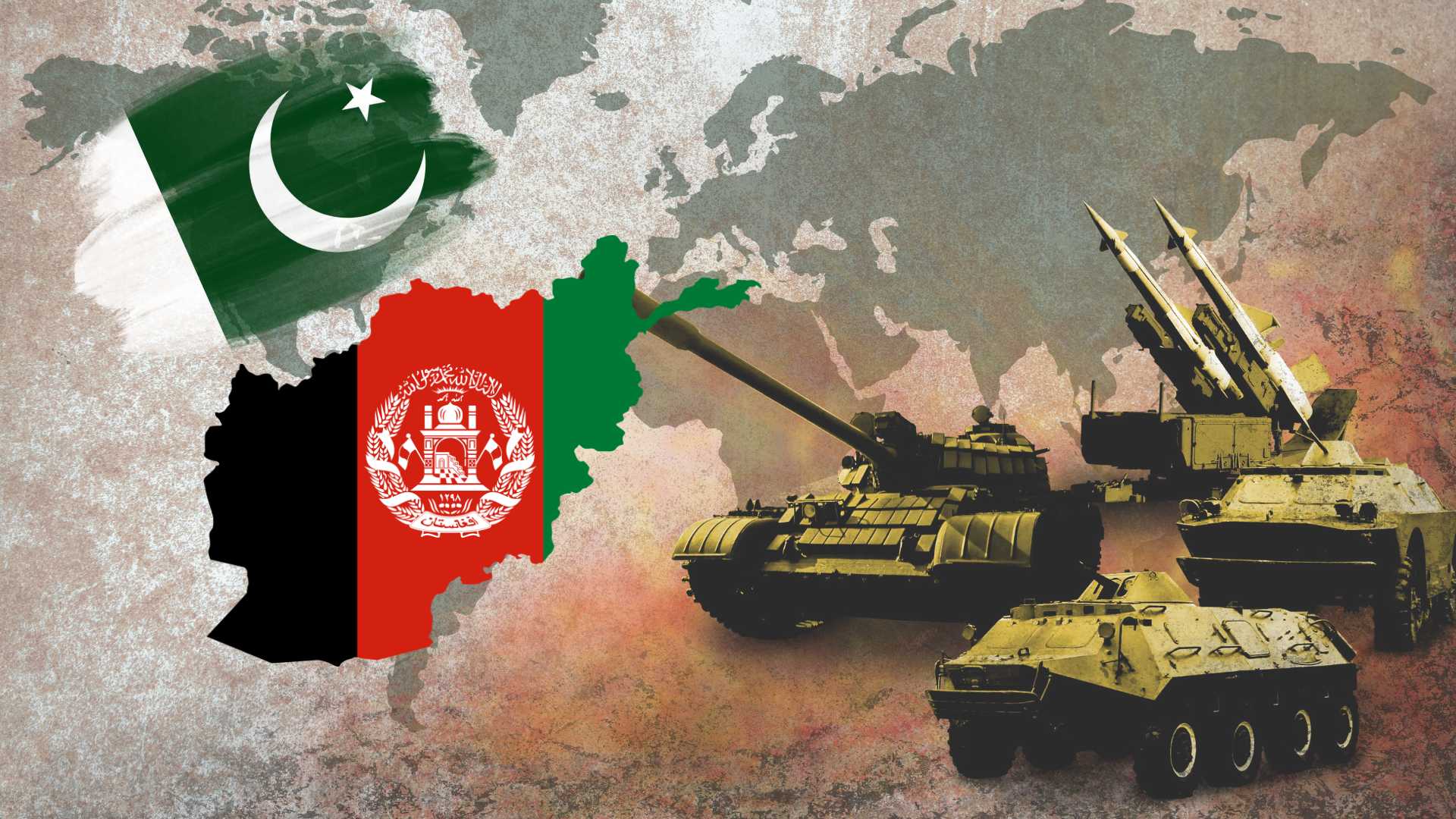
- The intensification of regional conflicts—from the U.S.-Israel-Iran war to Pakistan-Afghanistan clashes—has heightened instability in India’s extended neighbourhood.
- South Asia and West Asia together account for a significant share of global conflict-related fatalities, with fragile states like Afghanistan witnessing severe humanitarian crises.
- The recent escalation along the Durand Line, including airstrikes causing mass civilian casualties, underscores the risks of proxy wars and cross-border terrorism.
- For India, these developments carry critical implications for security, diplomacy, and regional stability.
BACKGROUND AND CONTEXT
Pakistan–Afghanistan Tensions
- Rooted in the disputed Durand Line and historical mistrust.
- Pakistan accuses the Taliban regime of harbouring Tehreek-e-Taliban Pakistan (TTP).
- Taliban denies involvement, leading to recurring cross-border hostilities.
Recent Escalation
- Pakistani airstrikes in Afghan cities (Kabul, Kandahar, Paktia).
- Civilian infrastructure, including a rehabilitation facility, reportedly hit.
- Rising TTP attacks within Pakistan (Bajaur, Islamabad).
Geopolitical Overlay
- Global distraction due to the U.S.-Israel-Iran conflict.
- External powers indirectly shaping regional behaviour.
KEY CONCEPTS
Cross-Border Terrorism
- Non-state actors operating across borders with alleged state support or tolerance.
- Example: TTP operating from Afghan territory targeting Pakistan.
Strategic Depth Doctrine (Pakistan)
- Pakistan’s historical policy of seeking influence in Afghanistan to counter India.
- Now facing a reversal as Taliban relations deteriorate.
Durand Line Dispute
- Unrecognized border by Afghanistan.
- Ethnic Pashtun populations straddle both sides, complicating sovereignty.
COMPARATIVE SECURITY CONCERNS
| Issue | India-Pakistan | Pakistan-Afghanistan |
|---|---|---|
| Nature of Conflict | Cross-border terrorism (Kashmir) | TTP insurgency |
| State Relations | Hostile, no dialogue | Initially cooperative, now adversarial |
| Border Dispute | LoC (disputed) | Durand Line (unrecognized by Afghanistan) |
| External Influence | China, U.S. | U.S., regional jihadist networks |
IMPLICATIONS FOR INDIA
Security Implications
- Reduced Pakistani military focus on India due to a two-front situation.
- Possible spillover of extremism and instability into the region.
Diplomatic Challenges
- No formal ties with Taliban regime.
- Limited engagement with Pakistan.
- Need for multilateral diplomacy via platforms like SCO.
Strategic Opportunities
- Strengthening India-Afghanistan engagement (developmental, humanitarian).
- Leveraging global concern over terrorism to isolate Pakistan diplomatically.
HUMANITARIAN AND REGIONAL IMPACT
Civilian Vulnerability
- Afghanistan remains one of the worst humanitarian crises globally (UN reports millions in need of aid).
- Women and children disproportionately affected.
Economic Disruptions
- Trade and connectivity impacted due to overlapping conflicts in West and South Asia.
- Energy corridors and regional integration projects threatened.
ROLE OF GLOBAL AND REGIONAL ACTORS
United States
- Support for Pakistan’s “right to defend itself” may embolden military actions.
Shanghai Cooperation Organisation (SCO)
- Includes India, Pakistan, and Central Asian states.
- Potential platform for conflict de-escalation.
India’s Approach
- Condemnation of civilian targeting.
- Advocacy for international inquiry.
- Balanced stance avoiding direct involvement.
KEY CHALLENGES
- Absence of effective regional conflict-resolution mechanisms.
- Legitimacy issues with Taliban government.
- Risk of escalation into a wider regional war.
- Humanitarian crisis worsening amid geopolitical rivalries.
RELEVANT QUOTE
- “Instability in one part of Asia rarely remains contained; it reverberates across borders.” — Adapted from strategic affairs scholarship
CONCLUSION
- The Pakistan-Afghanistan conflict highlights the fragile security architecture of South Asia, compounded by global geopolitical tensions.
- For India, while short-term strategic advantages may arise, long-term instability in the neighbourhood poses serious risks.
- A calibrated approach—combining diplomatic engagement, multilateral coordination, and humanitarian support—is essential to safeguard regional peace and stability.
UPSC MAINS QUESTION (15 MARKS, 250 WORDS)
- “The escalating Pakistan-Afghanistan conflict reflects deeper structural challenges in South Asian security. Discuss its implications for India’s foreign policy and regional stability.”