
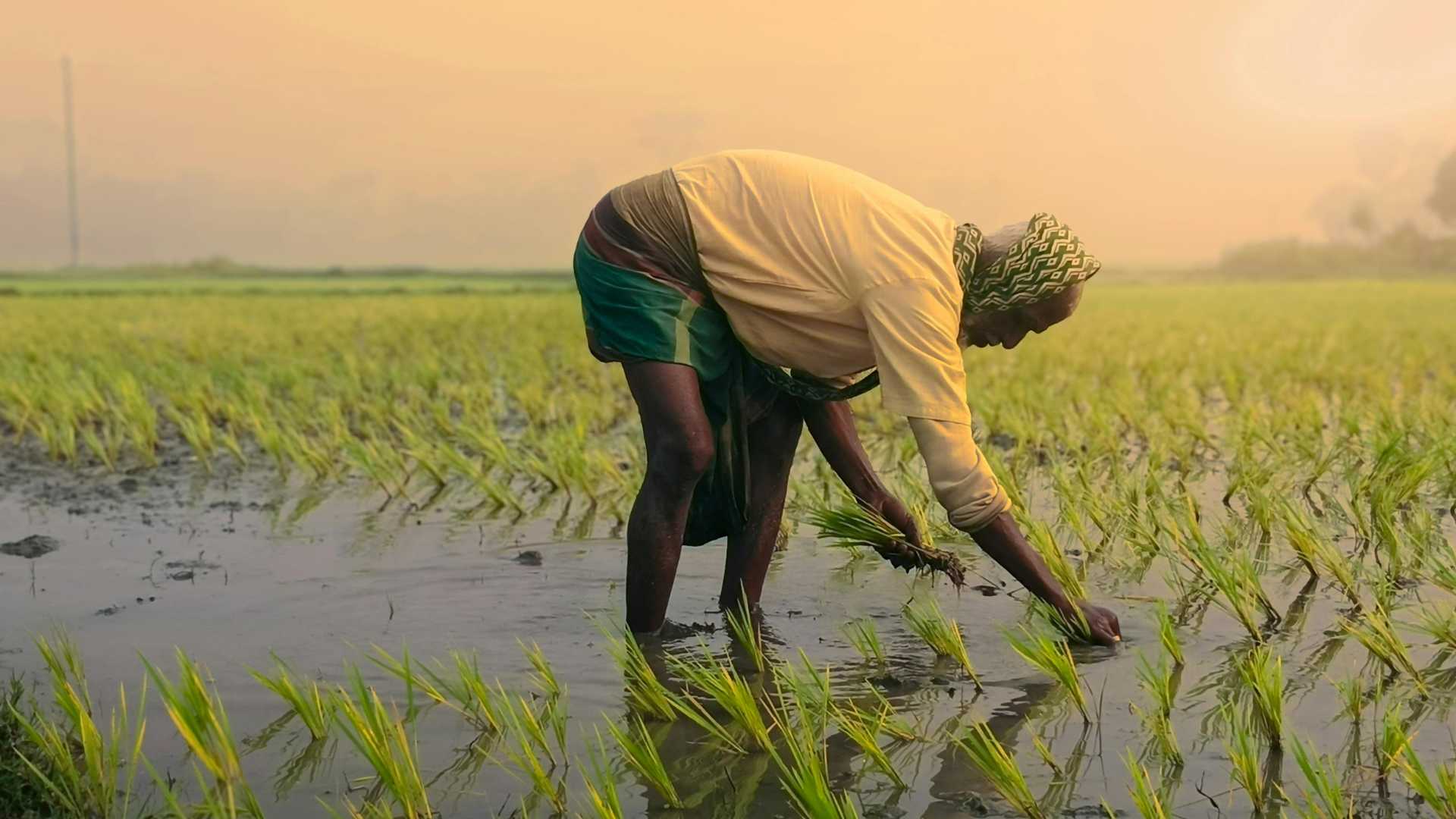
Niti Aayog Projects Agriculture Growth at 4% for FY26

Exploring the factors influencing agricultural growth and its implications for India's economy in FY26.
GopiGopi
5 mins read
India’s farm growth seen easing to 4% in FY26
Not Started

1. Current Growth Trend in India’s Agriculture Sector

India’s agriculture sector is projected to grow at 4% in FY 2025–26, lower than the 4.6% achieved in the previous fiscal. The slowdown is modest but signals a plateauing trend after a period of historically high performance. Policymakers emphasise that growth rates in agriculture naturally fluctuate due to seasonal variations and a low base effect.

Despite recent floods in parts of Punjab, official assessments note that their spatially limited nature is unlikely to depress the state’s or national output. The first two quarters of the current year show farm growth at 3.7% and 3.5%, suggesting that the second half may normalise as climatic and market conditions stabilise.

India’s farm sector has averaged 4.6% growth over the past decade, surpassing China and marking one of the strongest phases in post-independence agricultural performance. However, to support broader economic ambitions—including becoming a developed economy—experts argue that agriculture must sustain at least 5% annual growth.

Stable agricultural growth is essential because it anchors rural livelihoods, moderates food inflation, and enhances macroeconomic stability; any stagnation risks widening rural distress and constraining India’s long-term developmental trajectory.

Key Statistics:

  • FY 2024–25 growth: 4.63%
  • FY 2025–26 estimated growth: 4%
  • Q1 and Q2 current year growth: 3.7%, 3.5%

"It (agri growth) will be close to 4 per cent in FY 2025-26." — Ramesh Chand, NITI Aayog


2. Demand-Side Pressures and the Need for Output Diversification

India’s domestic food demand is increasing at only 2.5% annually, primarily due to slower population growth and dietary diversification away from cereals. This creates a structural mismatch: agricultural output is growing faster than domestic consumption.

To prevent oversupply, depressed farm-gate prices, and waste, India must increase agricultural exports or channel surplus production into alternative uses. One such avenue is biofuel production, which can absorb crop excess while contributing to energy security goals.

Without clear export pathways or alternative demand streams, rising production may lead to price volatility, reduced profitability for farmers, and heightened fiscal stress due to procurement obligations.

Managing demand-supply equilibrium is crucial because unchecked surpluses depress prices, undermine farmer incomes, and generate market distortions that eventually burden the fiscal system.

Implications:

  • Need for export competitiveness
  • Need for alternative uses (e.g., biofuels)
  • Risk of surplus-related price crashes

3. Productivity Gaps, Input Quality, and Comparative Lessons

India’s agricultural productivity varies widely across states. For instance, maize yields range from 70 quintals/ha in top-performing states to only 25 quintals/ha in lagging regions. Such disparities reflect gaps in irrigation access, agronomy, technology adoption, and input quality.

China provides a notable benchmark: its farmers use more than double the fertiliser per hectare compared to India, yet manage to avert significant ecological damage through stricter quality control and scientific application. India’s challenge is not quantity alone but improving the efficiency, authenticity, and monitoring of agricultural inputs.

Instances of counterfeit seeds, fertilisers, and pesticides continue to reduce farm productivity and erode farmer trust. A cited case where a provincial agriculture director was jailed for distributing ineffective pesticides highlights the governance concerns around input regulation.

Strengthening input quality and bridging productivity gaps are essential because unreliable inputs directly suppress yields, widen interstate disparities, and impede the goal of achieving sustained 5% agricultural growth.

Challenges:

  • Wide inter-state yield gaps
  • Counterfeit/low-quality inputs
  • Inefficient fertiliser use compared to global benchmarks

Comparative Example:

  • China: Higher fertiliser use with controlled environmental impact

4. Structural Reforms: Irrigation, Crop Intensity, and Market Policies

Increasing crop intensity—through shorter-duration varieties, multi-cropping, and expanded irrigation—remains a major driver of higher agricultural output. Enhanced irrigation coverage reduces climate risk and enables diversification into high-value crops.

On the market side, reforms to support mechanisms such as Minimum Support Price (MSP) are critical. Experts advocate transitioning from physical procurement to direct deficiency payments, where farmers are compensated for price shortfalls without government having to buy and store grains. This makes MSP less distortionary and improves export competitiveness by preventing stockpiling and artificially elevated market prices.

Such reforms are vital for aligning agricultural incentives with market realities and for enabling India to expand its export footprint while controlling fiscal burdens associated with procurement and storage.

Market reforms and irrigation expansion matter because without them, even higher production will not translate into farmer welfare, fiscal sustainability, or export competitiveness—thereby slowing India’s broader economic transformation.

Policy Measures Suggested:

  • Increase irrigation coverage
  • Enhance crop intensity
  • Narrow inter-state yield gaps
  • Shift to deficiency payments instead of procurement

"Agriculture is the most healthful, most useful, and most noble employment of man." — George Washington


5. Linking Agricultural Growth to India’s $30-Trillion Economy Ambition

Agriculture contributes significantly to employment and rural consumption, making its performance central to India’s medium-term economic aspirations. With 5% annual agricultural growth, India could potentially triple its agricultural GDP faster than the 24–25 years required at current growth rates.

Such acceleration would increase rural incomes, stimulate demand for manufactured goods and services, and strengthen the foundation for India’s goal of becoming a $30-trillion developed economy.

Conversely, slow agricultural growth could constrain nationwide economic momentum, widen regional inequalities, and delay structural transformation of the rural economy.

Agriculture acts as the bedrock of India’s development journey; sustained high growth in this sector is indispensable for inclusive growth and long-term macroeconomic stability.


Conclusion

India’s agriculture sector stands at a critical juncture: growth is strong by historical standards but insufficient for the scale of developmental aspirations ahead. Addressing productivity gaps, improving input quality, enabling export competitiveness, expanding irrigation, and reforming MSP delivery mechanisms will be central to sustaining 5%+ growth. Achieving this will ensure that agriculture continues to anchor rural prosperity and support India’s transition to a high-income economy.

Quick Q&A

Everything you need to know

India's agricultural growth for FY 2025-26 is projected at around 4%, a slight dip from 4.63% in the previous year. The Economic Survey and expert analyses suggest several factors contributing to this trend:

  • Base effect: Comparisons with previous high-growth years make current growth appear lower despite moderate production increases.
  • Regional climatic events: Localized floods, such as those in Punjab, have a limited but visible impact on state-level output.
  • Market and policy fluctuations: Input costs, availability of quality seeds and fertilizers, and global commodity trends influence production incentives.

While the first two quarters recorded 3.7% and 3.5% growth, the second half of the fiscal is expected to normalise, indicating that the slowdown is not structural but influenced by temporary factors. Overall, structural improvements like irrigation expansion, crop intensity enhancement, and narrowing yield gaps will be crucial for achieving higher, sustained growth.

Achieving a 5% growth rate in agriculture is critical for India’s broader economic ambitions. According to Ramesh Chand of NITI Aayog, sustained higher growth in the farm sector will:

  • Accelerate the doubling or tripling of agricultural GDP, which is essential to support India’s goal of becoming a developed nation.
  • Enhance rural incomes, reduce poverty, and provide fiscal space for social and infrastructure investments.
  • Support India’s ambition to become a USD 30-trillion economy by integrating agricultural growth into overall economic expansion.

At the current growth rate of around 4%, India would need 24–25 years to triple agricultural GDP. A higher growth trajectory would reduce this time significantly, creating a multiplier effect on allied sectors such as food processing, logistics, and exports.

Improving crop yields and narrowing inter-state yield gaps is essential to boost agricultural productivity. India exhibits wide disparities; for instance, corn yields range from 25 quintals per hectare in some states to 70 quintals per hectare in others. Key measures include:

  • Expanding irrigation coverage: Adoption of micro-irrigation and efficient water management practices can improve water use efficiency and crop output.
  • Promoting best agricultural practices: Sharing successful farming techniques across regions, including soil testing, integrated pest management, and crop rotation.
  • Providing quality inputs: Ensuring availability of high-yielding seeds, certified fertilizers, and agrochemicals while combating counterfeit inputs, which adversely affect production.

For example, Andhra Pradesh’s precision farming initiatives in maize have reduced yield disparities, demonstrating the potential of targeted interventions. Strengthening extension services and digital advisory systems can further enhance farmer adoption of modern practices nationwide.

Several structural and cyclical factors contribute to fluctuations in India’s agricultural growth:

  • Climatic variability: Rainfall variability, floods, and heatwaves affect crop output, creating annual fluctuations.
  • Input constraints: Irregular supply of quality seeds, fertilizers, and pesticides, as well as the prevalence of counterfeit inputs, reduce potential yields.
  • Market and policy distortions: Price volatility, procurement mechanisms, and uneven access to credit or minimum support prices can affect farmer incentives.
  • Regional disparities: States differ significantly in irrigation, mechanisation, and adoption of modern techniques, leading to uneven growth rates.

These factors combined explain why India’s agricultural growth, despite reaching a historic high of 4.6% over the past decade, remains volatile. Addressing these causes systematically is critical for achieving a stable 5% growth target.

Managing surplus agricultural production is increasingly important as domestic food demand grows at only 2.5% annually. Examples of strategies include:

  • Export promotion: Surplus rice, wheat, and sugar can be exported to global markets, enhancing foreign exchange earnings.
  • Biofuel production: Surplus maize, sugarcane, and oilseeds can be diverted to bioethanol and biodiesel production, creating new revenue streams.
  • Food processing and value addition: Developing cold storage, processing, and packaged foods can reduce post-harvest losses and increase market value.

For instance, India’s increasing focus on ethanol blending in petrol has provided a market for surplus sugarcane, creating additional income for farmers while reducing dependence on imports of fossil fuels. Such measures can help stabilize farm incomes and support sustainable agricultural growth.

Direct deficiency payments (DDP) to farmers are recommended as an alternative to traditional procurement-based MSP mechanisms. Advantages include:

  • Market efficiency: DDP allows farmers to sell in open markets without distorting prices, improving competitiveness for exports.
  • Reduced fiscal burden: Avoids high storage, transport, and procurement costs borne by the government.
  • Targeted support: Ensures that only farmers who face a price deficit receive payments, improving equity and efficiency.

However, challenges exist:
  • Effective DDP requires robust farm income tracking and timely payment mechanisms.
  • Market failures, such as lack of infrastructure or buyer collusion, may still disadvantage small farmers.
  • Transition from procurement-based MSP could face resistance from stakeholders accustomed to guaranteed market access.

Overall, while DDP can enhance market efficiency and fiscal prudence, it must be complemented by improved market infrastructure, digital payments, and awareness campaigns to ensure equitable farmer support.

Counterfeit agricultural inputs significantly reduce productivity and farmer incomes. The Economic Survey highlighted an incident where a provincial agriculture director was jailed for distributing ineffective pesticides to cotton farmers. This case illustrates:

  • Yield loss: Farmers relying on counterfeit pesticides experienced crop damage and reduced output, directly impacting income and food security.
  • Economic cost: Reduced yields increase financial stress on farmers, who may need to borrow for subsequent seasons, perpetuating indebtedness.
  • Policy lesson: Strengthening regulatory oversight, quality certification of inputs, and monitoring supply chains are essential to prevent such incidents.

States like Maharashtra have implemented barcode-based verification systems for fertilizers and pesticides, allowing farmers to authenticate products before purchase. Expanding such mechanisms nationally can help maintain productivity, protect farmer incomes, and strengthen trust in agricultural inputs.

Attribution

Original content sources and authors

Sign in to track your reading progress

Comments (0)

Please sign in to comment

No comments yet. Be the first to comment!