
1. Context: India-New Zealand Free Trade Agreement and Apple Trade
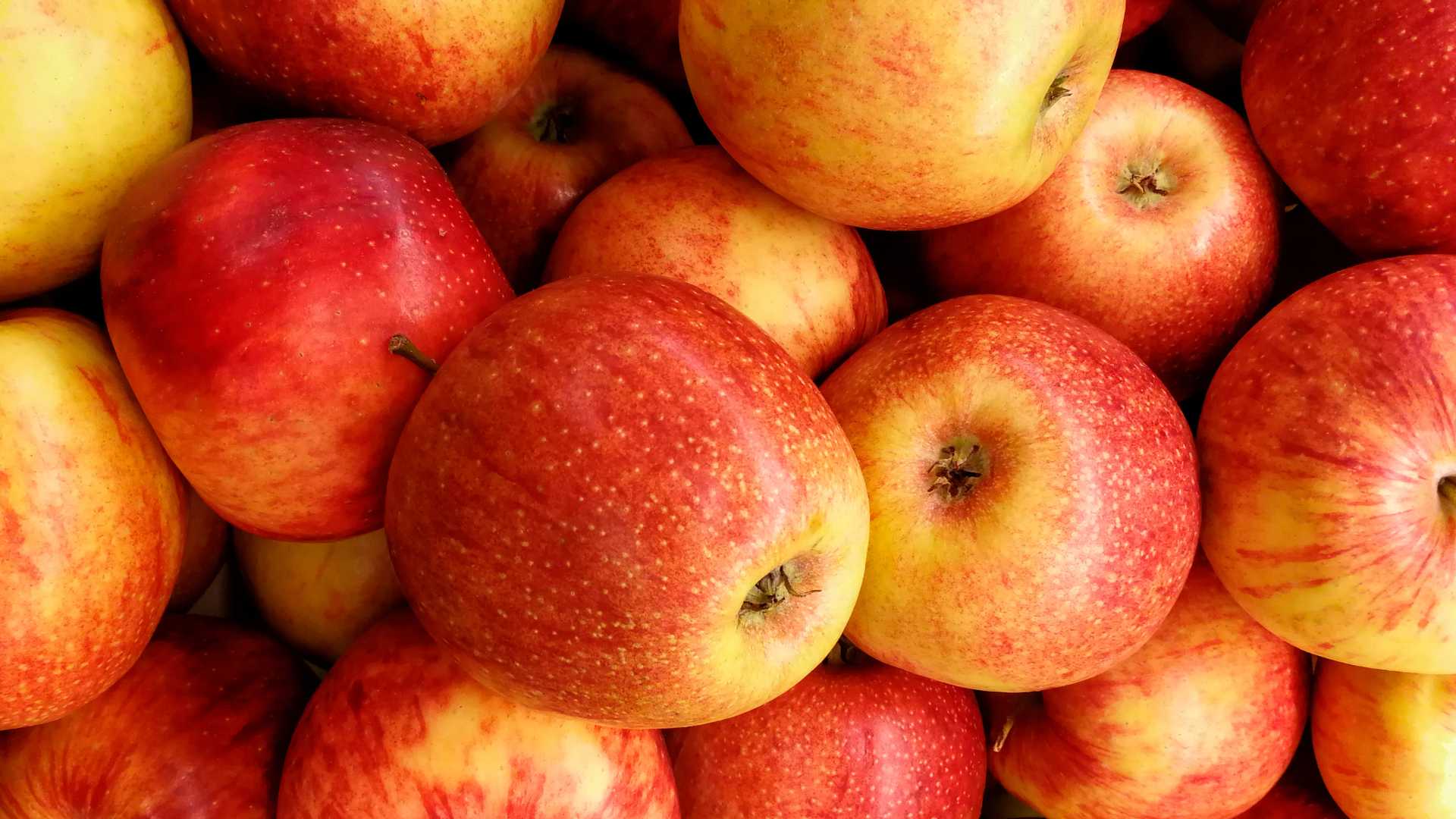
India and New Zealand are negotiating a Free Trade Agreement (FTA) which proposes to reduce import duties on apples from 50% to 25%. This has triggered concerns among apple growers in Kashmir and Himachal Pradesh, who rely on controlled-atmosphere cold storage to sell apples during the off-season at profitable rates. Reduced duties are expected to allow cheaper New Zealand apples to enter the Indian market, potentially undercutting prices of domestic produce.
The FTA has wider implications for agricultural governance and trade policy. Price instability due to imports could undermine farmers’ incomes and disrupt investment in post-harvest infrastructure, which is crucial for sustaining off-season supply chains. The scenario highlights the intersection of trade liberalisation, domestic agriculture protection, and rural livelihoods.
The governance logic here is that trade agreements must carefully balance international market access with protection of domestic producers, as neglecting domestic constraints can jeopardize farmer incomes and rural economic stability.
2. Issue: Impact on Domestic Apple Industry
Apple growers point out that India’s productivity and cost structure are significantly lower than international standards. While New Zealand farms operate over 50 hectares with mechanization and subsidies, the average Indian apple farm spans only 0.40 hectares, leading to 8–9 times lower productivity for varieties like Gala apples.
Investments in cold storage infrastructure, amounting to large public and private capital, are at risk. In Kashmir alone, 397.08 lakh metric tonnes of apples are stored across 92 cold storages. Farmers fear that cheap imports could force them into distress sales, undermining the economic viability of both orchards and storage facilities.
Impacts:
- Over 15 lakh families in Kashmir dependent on apple trade generating ₹30,000 crore annually
- Himachal apple industry employs over 1.5 lakh families with annual production worth ₹5,000–6,000 crore
- Price collapse could destabilize off-season trade, threatening farmers’ financial security
Ignoring these structural imbalances and the role of storage-led market stabilization risks long-term collapse of domestic horticulture sectors, weakening rural livelihoods.
3. Comparative and International Context
New Zealand has decades of experience cultivating Gala and other international apple varieties, with lower costs of production due to scale, mechanisation, and subsidies. Indian farmers are only recently adopting these varieties, leading to an unequal competitive environment.
India’s smallholder-based horticulture is structurally disadvantaged in global trade, as average orchard size and productivity lag behind major exporters. Further, upcoming trade deals with Chile, the EU, and the U.S. could exacerbate market pressure if similar concessions are demanded, highlighting the systemic risks of liberalizing agricultural imports without protective measures.
Comparative factors:
- Average Indian apple orchard: 0.40 hectares vs New Zealand: 50+ hectares
- Mechanisation and subsidies reduce international production costs by up to 50%
- Potential market flooding threatens domestic price stability and farmer welfare
Trade liberalisation without calibrated domestic safeguards can distort competition, erode farmer incomes, and undermine food and income security in sensitive agricultural sectors.
4. Policy and Governance Considerations
The potential FTA calls for a careful balance between international trade and domestic agricultural protection. Policy interventions could include:
- Safeguard measures such as temporary tariffs or quota restrictions to prevent market flooding
- Investment in enhanced productivity, mechanisation, and cold chain infrastructure for domestic growers
- Support schemes for smallholders to adopt high-yielding apple varieties
- Monitoring FTA implementation to ensure level playing field and long-term sustainability of the apple industry
"Indian farmers rely on controlled-atmosphere cold storage to sell apples during the off-season, when they earn prices that sustain their families for the entire year." — Izhan Javed, J&K Fruits and Vegetables Processing and Integrated Cold Chain Association
Neglecting these governance measures risks financial distress among farmers, weakening food supply resilience, and reducing the effectiveness of trade policy in supporting domestic production.
5. Conclusion
The India-New Zealand FTA illustrates the intersection of trade liberalisation, domestic agriculture, and rural livelihoods. Protecting the apple industry requires policies that safeguard off-season pricing, support smallholder competitiveness, and prevent market destabilisation from cheap imports. Forward-looking governance should integrate trade, agricultural productivity, and rural economic resilience to sustain horticultural livelihoods while engaging in global markets.

