
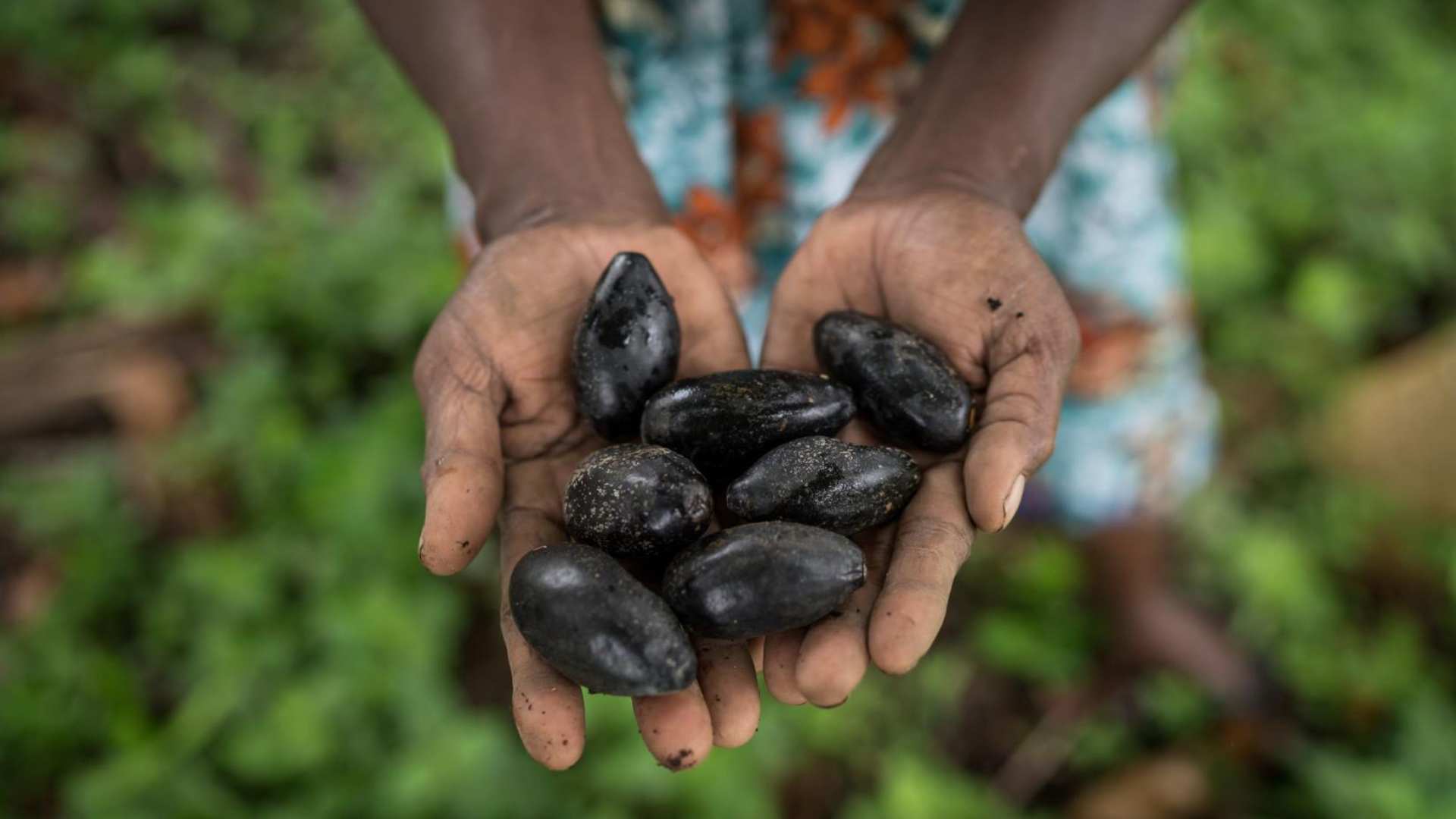
Forgotten Crops: Keys to India's Food and Climate Future

Neglected fruits and vegetables could revolutionize nutrition security and climate resilience in India if policy changes support them.
5 mins read
Reviving neglected fruits and vegetables for nutrition, livelihoods, and security
Not Started

1. Context: Shrinking Diversity in the Global and Indian Food Basket

Human civilisation has historically depended on a vast diversity of plant species for food, estimated at around 7,000 species. Over time, however, modern agriculture and consumption patterns have narrowed this diversity dramatically.

Today, only about 150 plant species are cultivated on a significant scale, and merely 30-odd crops meet the bulk of global nutritional needs. Alarmingly, just three grains — rice, wheat, and maize — account for over 60% of food intake.

This concentration reflects lifestyle-driven diets, standardised farming systems, and market preferences rather than nutritional or ecological considerations. If ignored, such narrowing increases vulnerability to climate shocks, pests, and nutritional deficiencies.

Food system resilience depends on diversity; excessive reliance on a few crops magnifies systemic risk.

2. Neglected and Underutilised Crops: Nature and Extent

A large number of edible plant species have either disappeared from cultivation or are now grossly underexploited. These include nutrient-rich cereals, fruits, vegetables, and medicinal plants that do not fit dominant commercial models.

Examples include cereals and pseudo-cereals like ragi, quinoa, kuttu, kodo, and kangni; fruits such as ber and karonda; and vegetables like moringa and amaranthus. Many traditional herbs with therapeutic value have also fallen into disuse.

The marginalisation of these crops has not only reduced dietary diversity but also eroded traditional knowledge systems linked to food and health.

If this trend continues, recovery of such crops may become economically and ecologically unviable.

Market-driven uniformity sidelines nutritionally superior crops, weakening food and health security.

3. Nutritional, Livelihood, and Ecological Implications

Neglect of diverse food crops has led to an unwarranted shrinkage of the contemporary food basket. This has reduced access to micronutrient-rich foods and increased dependence on calorie-dense staples.

The decline has also destroyed niche markets, resulting in livelihood losses for resource-poor farmers who traditionally cultivated these crops under low-input conditions. This disproportionately affects rain-fed and marginal regions.

Ecologically, underutilised crops are often climate-resilient, requiring less water and fewer external inputs. Their disappearance therefore undermines sustainable agriculture.

Key impacts:

  • Reduced dietary diversity and micronutrient intake
  • Loss of traditional livelihoods and niche markets
  • Decline in agro-biodiversity and climate resilience

“Biodiversity is the foundation of food security.”FAO

Ignoring underutilised crops deepens nutritional stress and rural vulnerability.

4. “Orphan Crops” and Their Untapped Potential

Many neglected crops are now described as “orphan crops” — species that receive little research, policy attention, or market support despite high nutritional value.

These crops possess unique nutrient profiles and therapeutic properties, earning them recognition as the “smart foods of the past” with potential to become “superfoods of the future”.

While coarse cereals like millets are being revived through national and international campaigns, similar efforts are absent for fruits and vegetables slipping out of cultivation.

The selective revival approach limits the overall impact on nutrition security.

Harnessing orphan crops offers a low-cost pathway to address malnutrition and sustainability.

5. Policy and Research Gaps in Addressing Underutilisation

Policymakers and agricultural researchers have largely focused on improving commercially important crops rather than enhancing the productivity and profitability of underutilised foods.

This bias has reinforced neglect of traditional fruits and vegetables, even though they are often well-suited to local agro-climatic conditions. Lack of research investment perpetuates low yields, weak value chains, and poor consumer awareness.

Without deliberate policy correction, market forces alone are unlikely to revive these crops.

Research priorities shape food systems; exclusion today leads to irrelevance tomorrow.

6. NAAS Policy Intervention: Evidence-Based Recognition

The National Academy of Agricultural Sciences (NAAS) has attempted to correct this imbalance through its policy paper titled “Underutilized Fruits and Vegetables for Nutritional and Health Security” released in October 2025 (Policy Paper No. 140).

The paper identifies 10 fruit and 10 vegetable varieties that have seen a sharp decline in production and consumption despite being common until the recent past.

Underutilised fruits identified:

  • Aonla, bael, jamun, ber, custard apple, karonda, phalsa, tamarind, wood apple, mulberry

Underutilised vegetables identified:

  • Amaranth, moringa, basella, winged bean, faba bean, pointed gourd, round melon, cluster bean, yam bean, jute mallow

This evidence-based listing provides a foundation for targeted policy action.

Recognition is the first step toward rehabilitation of neglected food systems.

7. Way Forward: Integrating Underutilised Crops into Food Security Strategy

Revival of underutilised fruits and vegetables requires coordinated action across research, markets, and nutrition programmes. Their integration can strengthen food security, farmer incomes, and climate resilience.

Policy attention similar to that accorded to millets can help mainstream these crops into public procurement, value chains, and consumer awareness initiatives.

Failure to act will further entrench monoculture-based vulnerabilities.

Policy directions implied:

  • Research and breeding support for underutilised crops
  • Market development and value-chain creation
  • Integration into nutrition and livelihood programmes

Diversifying food systems aligns nutrition, sustainability, and inclusive development.

Conclusion

The decline of underutilised fruits and vegetables reflects a deeper structural imbalance in modern food systems. Addressing this gap is essential for nutritional security, ecological resilience, and rural livelihoods. Strategic policy support, informed by scientific evidence such as the NAAS initiative, can help restore diversity and strengthen India’s long-term food security framework.

Quick Q&A

Everything you need to know

Underutilised or orphan crops refer to plant species that were historically part of human diets but are now marginalised in mainstream agriculture and markets. While nearly 7,000 plant species have been used as food over time, modern food systems rely heavily on a narrow base of crops. As highlighted in the article, just three grains—rice, wheat, and maize—contribute over 60% of global caloric intake. Orphan crops such as millets, pseudo-cereals, indigenous fruits, and traditional vegetables have gradually fallen out of cultivation due to changing dietary preferences, industrial farming systems, and policy neglect.

These crops are significant because they often possess unique nutritional profiles, including high levels of micronutrients, dietary fibre, antioxidants, and therapeutic compounds. For instance, fruits like aonla and jamun are rich in vitamin C and anti-diabetic properties, while vegetables like moringa and amaranth offer superior protein and mineral content compared to many commercial alternatives. Their decline has contributed to a shrinking food basket, aggravating problems of hidden hunger and micronutrient deficiencies.

From a systemic perspective, orphan crops also play a crucial role in agro-biodiversity conservation. Their genetic diversity enhances resilience against climate change, pests, and diseases. Many of these crops are hardy, drought-tolerant, and suitable for marginal lands, making them particularly relevant for small and resource-poor farmers. Thus, underutilised crops are not merely relics of the past but represent a strategic asset for achieving nutritional security, ecological sustainability, and inclusive rural livelihoods.

The increasing dependence on a narrow range of staple crops is a major concern because it creates both nutritional and systemic vulnerabilities. Nutritionally, staples like rice and wheat are primarily sources of carbohydrates and lack adequate amounts of essential micronutrients such as iron, zinc, and vitamins. Over-reliance on these crops has contributed to the persistence of malnutrition, anaemia, and lifestyle-related diseases, even in countries that are food surplus in terms of calories, such as India.

From a food security perspective, monocropping increases exposure to climate shocks, pest outbreaks, and market volatility. A disruption affecting a dominant crop can have cascading impacts on availability, prices, and farmer incomes. In contrast, diversified food systems that include underutilised fruits and vegetables enhance resilience by spreading risk. Crops like bael, ber, and cluster bean are well adapted to arid and semi-arid conditions, making them valuable buffers against climate uncertainty.

Furthermore, the decline of traditional crops has socio-economic consequences. As the article notes, niche markets for these foods have disappeared, leading to livelihood losses for traditional cultivators. This has weakened local food cultures and indigenous knowledge systems. Therefore, excessive dependence on a few crops undermines not only nutritional diversity but also economic inclusiveness and cultural sustainability, necessitating policy attention towards diversified and nutrition-sensitive agriculture.

Policy interventions can play a transformative role in reviving underutilised fruits and vegetables by addressing gaps across the production–processing–marketing continuum. First, there is a need for targeted research and development. As the article points out, policymakers and researchers have largely focused on commercially important crops. Dedicated breeding programmes, yield improvement initiatives, and post-harvest research for crops like phalsa, wood apple, and jute mallow can enhance their commercial viability.

Second, these crops must be integrated into nutrition and welfare schemes. Including underutilised vegetables such as moringa and amaranth in schemes like the Mid-Day Meal and POSHAN Abhiyaan can simultaneously address malnutrition and create assured demand for farmers. Public procurement, minimum support mechanisms, and inclusion in farmer producer organisations (FPOs) can further strengthen market access.

Third, awareness generation is crucial. Urban consumers often perceive these foods as inferior or outdated. Policy-led campaigns, similar to the International Year of Millets, can reposition these crops as ‘smart foods’ or ‘future superfoods’. The NAAS policy paper (2025) provides a strong evidence base for such initiatives. A coordinated approach combining research, market development, and behavioural change can ensure that underutilised fruits and vegetables regain their rightful place in India’s food system.

Modern agriculture has significantly contributed to the decline of traditional food crops through its emphasis on uniformity, high yields, and market scalability. The Green Revolution paradigm prioritised a few high-yielding varieties supported by irrigation, fertilisers, and assured procurement. While this approach enhanced food grain production, it marginalised diverse crops that did not fit into industrial farming models. Underutilised fruits and vegetables, often grown in mixed or forest-based systems, were excluded from mainstream value chains.

Consumer behaviour has reinforced this trend. Urbanisation, lifestyle changes, and the rise of processed foods have altered dietary preferences towards refined and convenience foods. Many traditional crops are perceived as coarse, time-consuming to prepare, or associated with poverty. This cultural shift reduced demand, leading to market disappearance and eventual decline in cultivation. The article notes that even policymakers and researchers internalised these biases, further perpetuating neglect.

However, it would be simplistic to view modern agriculture solely as detrimental. Advances in logistics, food processing, and digital marketing can be leveraged to revive these crops. The challenge lies in reorienting modern systems towards diversity and nutrition sensitivity. A balanced approach that combines scientific innovation with respect for traditional knowledge is essential to reverse the decline.

The revival of underutilised crops can significantly enhance sustainable livelihoods for small and marginal farmers by reducing input costs, diversifying income sources, and improving resilience. Many of these crops, such as ber, karonda, and yam bean, are well adapted to local agro-climatic conditions and require fewer external inputs like chemical fertilisers and pesticides. This lowers cultivation costs and reduces farmers’ vulnerability to price shocks.

Real-world examples demonstrate this potential. In parts of Rajasthan and Bundelkhand, value addition to aonla through processing into candies, pickles, and nutraceutical products has created local employment and improved farmer incomes. Similarly, self-help groups cultivating and marketing moringa leaf powder in southern India have tapped into urban health-food markets. These initiatives show how niche markets can be rebuilt around traditional crops.

Moreover, integrating such crops into local food systems strengthens food sovereignty and preserves indigenous knowledge. When supported by institutions like NAAS, FPOs, and state governments, underutilised crops can become engines of inclusive, climate-resilient rural development, aligning economic viability with nutritional and ecological goals.

Attribution

Original content sources and authors

Sign in to track your reading progress

Comments (0)

Please sign in to comment

No comments yet. Be the first to comment!