1. Context: RBI’s Forward Guidance on Interest Rates
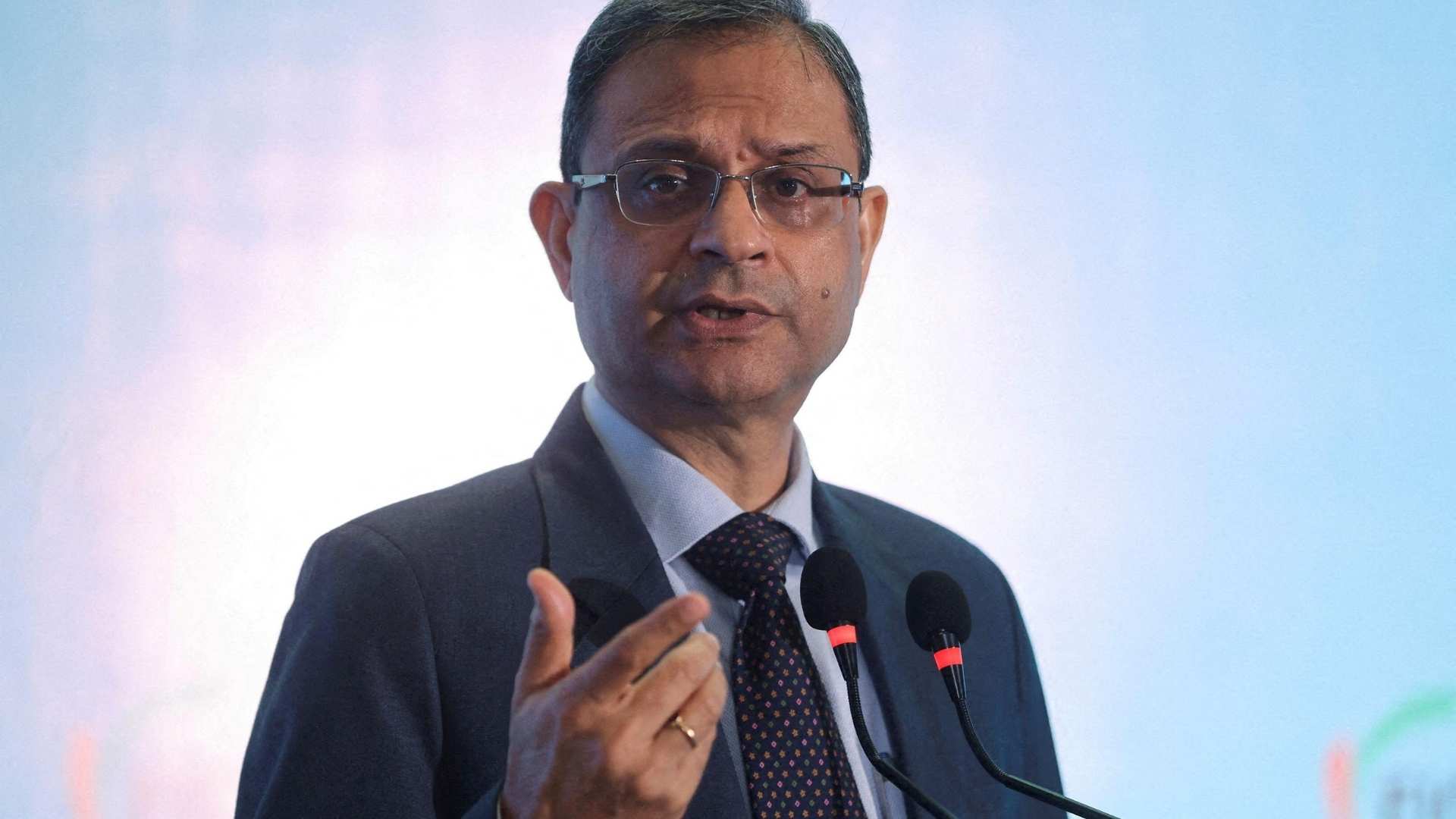
The Governor of the Reserve Bank of India has indicated that India’s interest rates are expected to remain low for a “long period”. This forward guidance is based on RBI’s internal macroeconomic projections and current growth–inflation dynamics.
Such communication is significant for monetary policy transmission, as expectations about future rates influence investment, consumption and borrowing decisions. Clear guidance reduces uncertainty in financial markets and supports macroeconomic stability.
The statement also reflects RBI’s assessment that prevailing conditions justify an accommodative or supportive stance rather than premature tightening. Ignoring forward guidance can weaken policy credibility and market alignment.
“Rates should remain low for a long period of time.” — Sanjay Malhotra, RBI Governor
Forward guidance anchors expectations; if credibility weakens, monetary policy effectiveness diminishes.
2. Growth Outlook and Forecasting Challenges
India recorded a sharper-than-expected GDP growth of 8.2% in the July–September quarter. This exceeded the RBI’s earlier projection of 7%, prompting acknowledgement of forecasting limitations.
The Governor noted that the headline GDP figure was “surprising” and that the central bank needs to improve its forecasting frameworks. Accurate forecasts are essential for timely and proportionate policy responses.
Underestimating growth can lead to overly accommodative policy, while overestimation risks tightening too early. Both outcomes can distort macroeconomic stability.
“The most recent headline GDP figure was surprising… we have to improve our forecasting.” — Sanjay Malhotra, RBI Governor
Sound forecasting underpins effective monetary governance; persistent errors can weaken policy calibration.
3. Trade Agreements and External Growth Drivers
The RBI’s baseline projections do not yet factor in the potential impact of trade agreements currently under negotiation. According to the Governor, successful trade deals could lift India’s growth trajectory.
Specifically, a US trade agreement could add around 0.5 percentage points to economic growth. This highlights the importance of external demand and trade policy in shaping domestic macroeconomic outcomes.
However, such upside risks remain contingent and uncertain. Policymaking must therefore balance optimism with prudence in external sector assumptions.
Statistics:
- Potential growth boost from US trade deal: ~0.5 percentage point.
External trade outcomes can significantly alter growth paths; ignoring them risks misaligned policy expectations.
4. External Pressures: Tariffs, Exports and Currency
Despite strong headline growth, India faces external headwinds. Up to 50% tariffs imposed by the US are expected to slow exports across sectors such as textiles and chemicals.
These trade pressures have widened the trade deficit and contributed to the rupee touching record lows. Currency pressures complicate monetary policy by tightening imported inflation risks.
As the world’s fifth-largest economy, India must manage the balance between supporting growth and maintaining external stability. Failure to address these pressures could amplify macroeconomic volatility.
Challenges:
- High US tariffs affecting export competitiveness.
- Widening trade deficit.
- Depreciation pressures on the rupee.
External shocks transmit quickly through trade and currency channels; policy inertia can magnify their impact.
5. Monetary Policy Response and Liquidity Support
In response to growth risks and external pressures, the RBI cut the repo rate by 25 basis points in December. It also signalled openness to further easing if conditions warrant.
Additionally, the RBI took steps to boost banking-sector liquidity by up to $16 billion, aiming to support what the Governor described as a “goldilocks” economy—neither overheating nor stagnating.
These measures reflect a calibrated approach that combines rate policy with liquidity management. Overlooking liquidity conditions can blunt the effectiveness of rate cuts.
Policy measures:
- Repo rate cut of 25 basis points.
- Liquidity infusion of up to $16 billion.
Monetary easing works best when rates and liquidity move in tandem; neglecting either weakens transmission.
Conclusion
The RBI’s expectation of a prolonged low-interest-rate environment reflects confidence in India’s growth potential amid global uncertainties. However, forecasting challenges, external trade pressures and currency volatility underline the need for cautious, data-driven policy. Sustained macroeconomic stability will depend on balancing accommodative monetary support with vigilance against external and financial risks.