
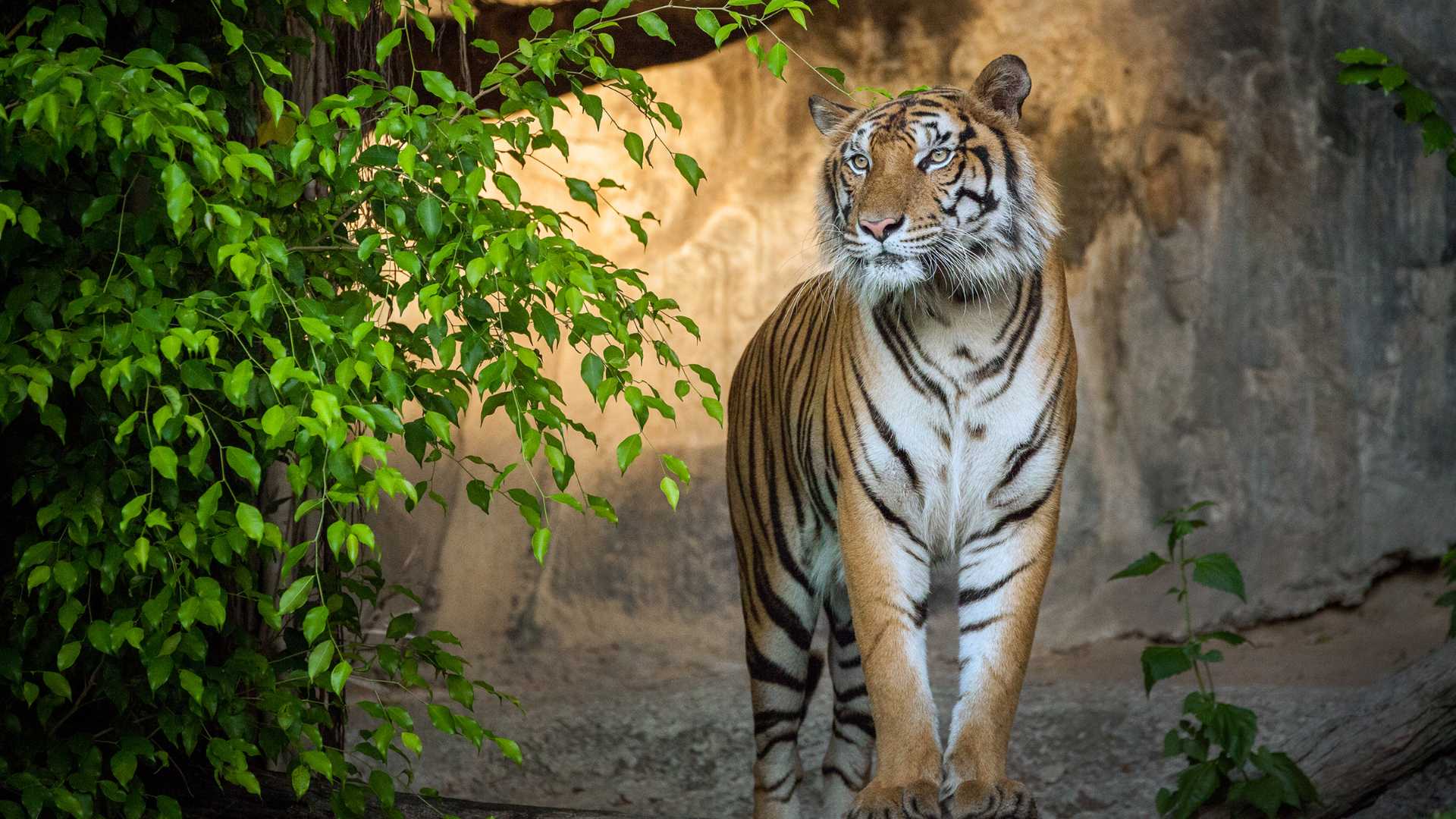
Infighting Claims Another Tiger in Kaziranga National Park

The recent death highlights the ongoing issues of territorial disputes among tigers in Kaziranga National Park's Bagori Range.
GopiGopi
4 mins read
Tiger population monitoring: Forest personnel conducting post-mortem and population assessments to support scientific conservation management
Not Started

1. Context: Tiger Mortalities in a High-Density Landscape

Kaziranga National Park and Tiger Reserve has reported the death of three tigers within a fortnight in January 2026, drawing attention to ecological pressures within a globally significant conservation landscape. The latest case involved a female tiger whose death was preliminarily attributed to infighting in the Bagori Range.

Kaziranga is internationally known for successful megafauna conservation, particularly of tigers and one-horned rhinoceros. However, repeated mortalities, even if natural, acquire governance relevance when they occur in rapid succession in a protected area with intensive management.

The incident coincided with the foundation stone laying of an 86-km elevated wildlife corridor near the park, highlighting the juxtaposition of conservation success with emerging stressors related to spatial constraints and animal movement.

If such signals are ignored, high-density reserves risk shifting from conservation success stories to zones of ecological stress, undermining long-term wildlife management credibility.

This episode underscores that conservation outcomes must be assessed not only by population numbers but also by spatial viability and ecological balance; failure to do so may convert numerical success into biological vulnerability.


2. Issue: Infighting as a Symptom of Spatial Saturation

Wildlife officials and experts have indicated that the tiger deaths were likely due to infighting, a natural behaviour linked to territorial overlap. Importantly, prey scarcity was ruled out, as Kaziranga continues to support high prey diversity and abundance.

According to experts, the tiger population in Kaziranga has reached its upper ecological limit, intensifying competition within the park’s core area of about 430 sq. km. This suggests that mortality is less about mismanagement and more about ecological carrying capacity.

Such saturation creates governance challenges, as protected areas are administratively fixed while animal populations are dynamic. Without dispersal pathways, dominant carnivores increasingly come into conflict.

Ignoring this dynamic risks normalising mortality as “natural” without addressing the underlying structural constraint of limited space.

The governance logic here is that ecological carrying capacity must guide conservation planning; neglecting spatial limits can turn protected areas into conflict-prone ecological islands.


3. Implications: Limits of Core-Centric Conservation

Kaziranga’s case highlights the limitations of conservation models overly focused on core protected areas. Experts note that tigers are unable to move out and establish territories beyond the core, increasing intra-species conflict.

Adjoining landscapes like Karbi Anglong have potential to absorb dispersing tigers, but low prey density constrains such natural expansion. Similarly, historically protected areas such as Laokhowa and Burhachapori remain underdeveloped as viable habitats.

This has broader implications for human–wildlife coexistence, as blocked dispersal often pushes animals toward human-dominated landscapes or intensifies conflict within reserves.

Key Data:

  • Estimated tigers in Kaziranga (2024 census): 148
  • Tigers in 2022: 104
  • Tiger density: 18 per 100 sq. km (world’s third-highest)
  • Core area size: ~430 sq. km

If landscape-level planning is not strengthened, rising populations may paradoxically weaken conservation outcomes.

The development lesson is that species recovery must be accompanied by habitat expansion; otherwise, demographic success generates ecological stress and governance dilemmas.


4. Way Forward: Landscape-Based and Scientific Management

Experts emphasise the need for scientific management of both tiger and prey populations within core areas to maintain ecological balance. This includes monitoring carrying capacity, territorial dynamics, and age–sex composition.

Equally important is the development of peripheral habitats such as Laokhowa and Burhachapori to enable dispersal and reduce pressure on Kaziranga’s core. Wildlife corridors, including elevated corridors, are critical institutional responses to habitat fragmentation.

Such measures also align conservation goals with infrastructure development, ensuring that economic growth does not further isolate wildlife populations.

Policy-Relevant Measures:

  • Strengthening habitat quality in adjoining landscapes
  • Improving prey density outside core zones
  • Integrating corridors into regional development planning
  • Adhering to NTCA standard operating procedures

Failure to adopt a landscape approach may lead to recurrent mortality events that erode public confidence in conservation governance.

The strategic logic is that long-term tiger conservation depends on connected landscapes, not isolated reserves; ignoring this risks reversing decades of conservation gains.


Conclusion

The recent tiger deaths in Kaziranga reflect not a collapse of protection but the new challenges of conservation success. As populations recover, governance must shift from core-area protection to landscape-scale management. Aligning scientific wildlife management with spatial planning is essential to sustain ecological stability, reduce conflict, and secure India’s long-term conservation leadership.


Quick Q&A

Everything you need to know

Natural causes and infighting:
The recent deaths of three tigers in Kaziranga National Park within a fortnight have primarily been attributed to infighting among the big cats. Preliminary post-mortem reports indicate that the latest tigress died due to territorial conflicts in the Kathpora area of the Bagori Range. Similarly, the second and first deaths, involving a male and a female tiger, are suspected to have occurred either naturally or as a result of conflicts with other tigers.

Ecological and population factors:
Infighting is a natural phenomenon in tiger populations, often occurring when territories overlap or when resources are limited. However, in Kaziranga, prey availability remains high, suggesting that the conflicts are not due to food scarcity. Experts argue that as the tiger population reaches the ecological carrying capacity of the park, increased territorial pressure within the 430 sq. km core area may lead to higher incidences of intraspecific aggression.

Importance of habitat management:
This highlights the need for strategic habitat planning and management. Providing adjacent landscapes like Laokhowa and Burhachapori with adequate prey density and secure territories could allow some tigers to disperse from the overcrowded core area, reducing territorial conflicts and promoting long-term species stability.

Behavioral ecology of tigers:
Tigers are inherently territorial and solitary predators. Infighting occurs when the territories of individuals overlap, or when younger tigers challenge dominant ones for space and resources. Such behavior ensures the maintenance of social hierarchies and regulates population density within an ecosystem.

Ecological implications:
While infighting may result in mortalities, it plays a role in natural population control and prevents overexploitation of prey species. By limiting population density in core areas, it indirectly maintains prey-predator balance and reduces the risk of ecological collapse in enclosed habitats.

Conservation considerations:
However, in high-density reserves like Kaziranga, where the tiger population has reached its upper limit (18 tigers per 100 sq. km), infighting may lead to increased mortality rates and stress on individuals. Effective landscape management, including creating corridors and secondary habitats, is essential to mitigate negative impacts while preserving the natural regulatory mechanisms of tiger populations.

Habitat constraints:
Kaziranga’s core area spans 430 sq. km, and the tiger population has grown to an estimated 148 individuals as per the 2024 census. This high density means that most tigers cannot establish independent territories, leading to frequent territorial disputes. The limited dispersal space increases stress, aggression, and mortality, even in the presence of abundant prey.

Strategies to alleviate pressure:
Experts suggest developing adjoining landscapes like Laokhowa and Burhachapori with suitable prey and cover to serve as secondary habitats. Establishing wildlife corridors, such as the 86-km elevated corridor at Kaliabor, allows safe movement of tigers outside the core area, reducing conflicts and human-wildlife interaction risks.

Scientific management:
Managing both tiger and prey populations within the core area through monitoring, population control measures, and maintaining habitat quality is crucial. Combining these measures ensures ecological balance, reduces mortality due to infighting, and promotes sustainable coexistence with surrounding human communities.

Challenges:
High-density tiger populations in limited core areas pose multiple conservation challenges. Territorial disputes and infighting, as observed in the recent deaths, are direct outcomes of overcrowding. Additionally, increased tiger density can heighten the risk of disease transmission, stress-induced mortality, and competition for mating opportunities.

Human-wildlife interface:
Overcrowding may also push younger or displaced tigers toward peripheral areas, increasing the likelihood of human-wildlife conflict. Agricultural fields and human settlements bordering the park are at risk from tigers seeking new territories, which could result in livestock depredation or retaliatory killings.

Management strategies:
Mitigating these challenges requires integrated landscape-level planning. Developing buffer zones, improving habitat connectivity, managing prey density, and employing modern monitoring techniques are essential. Wildlife corridors, as recently laid in Kaliabor, exemplify infrastructure interventions that facilitate tiger movement while minimizing human conflict. Ultimately, scientific management must balance tiger conservation with ecosystem health and local livelihoods.

Population monitoring and carrying capacity:
Kaziranga’s experience underscores the importance of regular population assessments. With the tiger census showing a density of 18 tigers per 100 sq. km, authorities can anticipate ecological pressures and implement preventive measures. Other reserves like Sundarbans and Bandhavgarh can use similar census-based approaches to determine carrying capacity and inform habitat management.

Corridors and landscape management:
Creating wildlife corridors to facilitate dispersal and reduce territorial conflicts has proved effective in Kaziranga. Reserves with fragmented habitats, such as Ranthambore, can adopt similar strategies to enhance connectivity between core and peripheral areas, ensuring genetic flow and reducing human-wildlife conflict.

Integrated conservation approach:
Kaziranga highlights the need for a holistic approach, combining habitat development, prey management, scientific monitoring, and community engagement. Applying these lessons to other reserves ensures that tiger conservation is sustainable, reduces mortality due to natural conflicts, and strengthens coexistence with local communities.

Attribution

Original content sources and authors

Sign in to track your reading progress

Comments (0)

Please sign in to comment

No comments yet. Be the first to comment!