Introduction
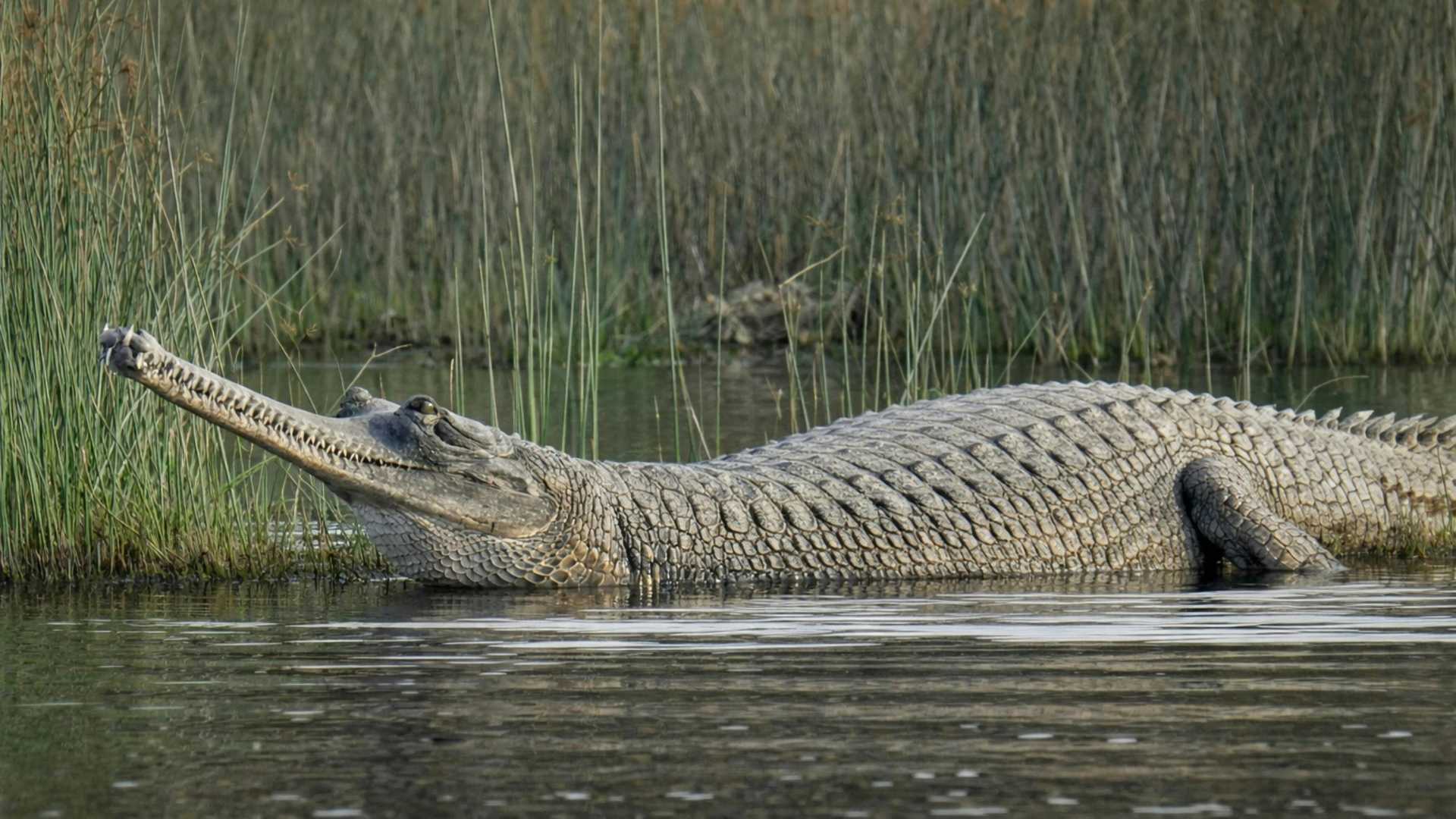
River ecosystems are among the most fragile ecological systems, supporting biodiversity, groundwater recharge, and sediment balance. Globally, sand is the second-most exploited natural resource after water, with the UN Environment Programme estimating 50 billion tonnes of sand extracted annually. In India, illegal sand mining has emerged as a major environmental challenge. The National Chambal Sanctuary, home to the critically endangered Gharial, faces severe ecological threats due to rampant sand mining.
Background: National Chambal Sanctuary
The sanctuary is a tri-state protected riverine ecosystem located at the confluence of:
- Rajasthan
- Madhya Pradesh
- Uttar Pradesh
It was notified in 1978 to protect the unique biodiversity of the Chambal River.
| Feature | Details |
|---|---|
| Total river stretch | ~960 km |
| Protected sanctuary length | ~600 km |
| Type | First tri-state riverine sanctuary in India |
| Conservation focus | Gharial and riverine biodiversity |
Biodiversity Significance
The sanctuary supports several endangered and vulnerable species.
| Species | Conservation Status |
|---|---|
| Gharial | Critically Endangered |
| Ganges River Dolphin | Endangered |
| Indian Skimmer | Endangered |
| Red-Crowned Roofed Turtle | Critically Endangered |
| Smooth-coated Otter | Vulnerable |
These species depend on sandbanks and undisturbed riverine habitats for breeding and nesting.
Illegal Sand Mining: A Major Threat
Illegal sand mining has emerged as the biggest ecological threat to the sanctuary.
Key Impacts
-
Habitat Destruction Sand mining destroys sandbanks that are crucial nesting grounds for gharials and turtles.
-
River Morphology Changes Excessive sand removal alters river channels, affecting water flow and sediment balance.
-
Reduced Water Retention Sand layers help regulate groundwater recharge; removal disrupts this function.
-
Biodiversity Decline Habitat disturbance leads to displacement of aquatic species.
Operational Dynamics of Sand Mining Mafia
Illegal sand mining in the Chambal region is often organised and systematic.
| Modus Operandi | Description |
|---|---|
| Excavation | Sand removed from riverbeds using tractors and trolleys |
| Storage | Sand dumped in nearby agricultural fields |
| Transportation | Later transported by trucks for commercial sale |
| Evasion tactics | Vehicles without registration numbers |
Weak enforcement and difficult terrain allow mining operations to continue throughout the year.
Judicial Intervention
The Supreme Court of India took suo motu cognisance of the issue based on media reports.
A bench led by:
- Justice Vikram Nath
- Justice Sandeep Mehta
highlighted that illegal mining had reached such levels that gharials were forced to relocate from their natural habitats.
Earlier, the National Green Tribunal had also directed periodic monitoring after taking note of environmental reports highlighting the threat.
Governance and Enforcement Challenges
| Challenge | Explanation |
|---|---|
| Organised sand mafias | Criminal networks dominate mining operations |
| Weak inter-state coordination | Sanctuary spans three states |
| Limited enforcement capacity | Forest departments face threats |
| High construction demand | Rapid urbanisation increases sand demand |
Ecological Importance of Sand in River Systems
Sand plays a critical role in maintaining river ecosystems:
- Stabilises riverbanks
- Supports aquatic habitats
- Maintains sediment balance
- Aids groundwater recharge
Unregulated mining disrupts these natural processes and leads to river degradation.
Policy and Conservation Measures Needed
Strengthening Enforcement
- Use satellite monitoring and drones
- Strict enforcement under environmental laws
Inter-State Coordination
- Joint task forces between Rajasthan, Madhya Pradesh, and Uttar Pradesh
Sustainable Sand Mining Policy
- Promote manufactured sand (M-sand) alternatives
Community Participation
- Involve local communities in conservation and monitoring
Expert Insight
Environmental economist Herman Daly observed:
“Natural capital is not a free good but the foundation of sustainable development.”
Conclusion
The crisis in the National Chambal Sanctuary highlights the urgent need to balance economic demand for construction materials with ecological conservation. Illegal sand mining threatens not only endangered species such as the gharial but also the ecological stability of river systems. Effective enforcement, sustainable mining practices, and coordinated governance across states are essential to protect this unique riverine ecosystem.