
Aravalli Hills: Environmental, Socioeconomic, and Governance Challenges
1. Geographical and Historical Context
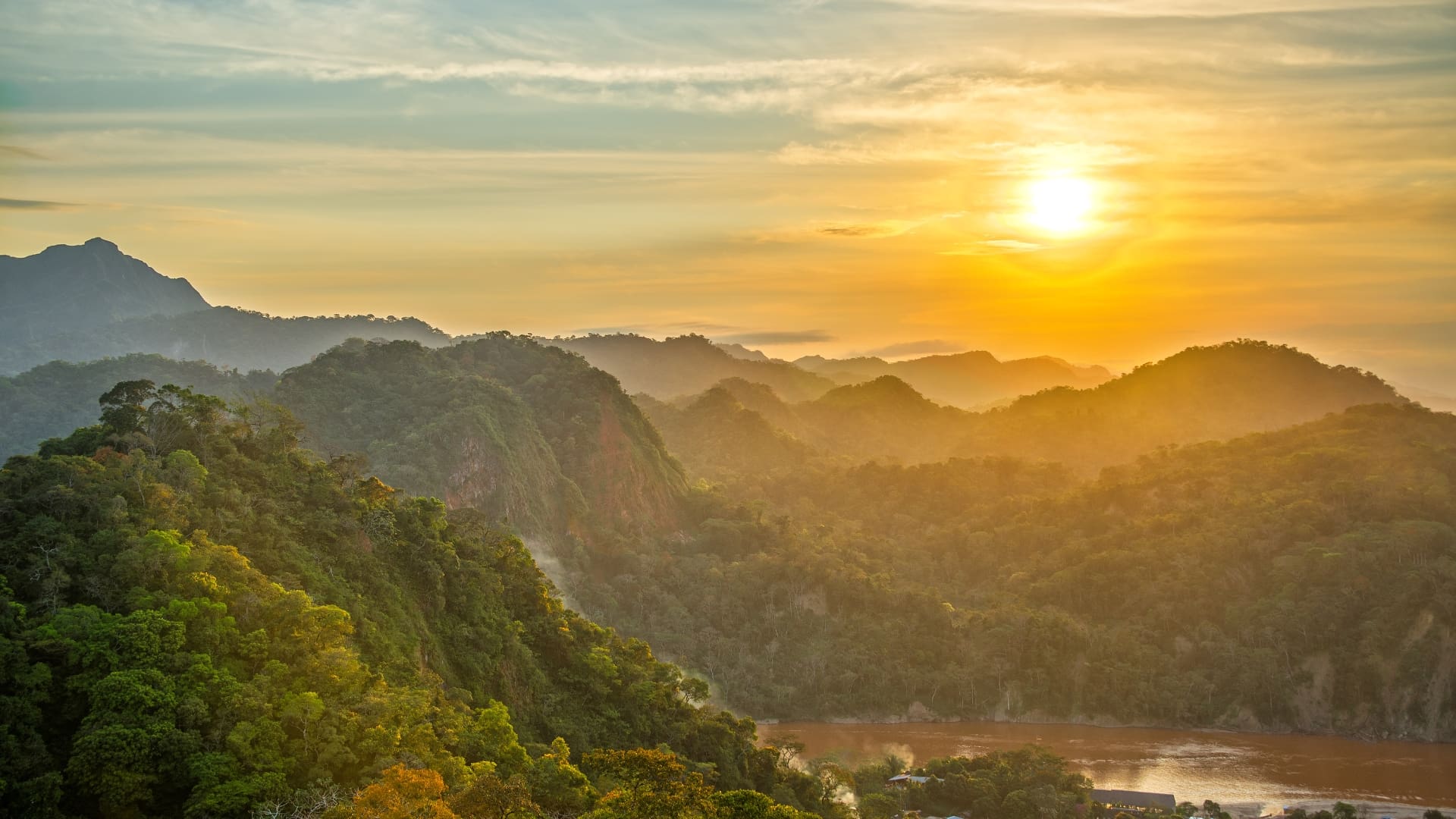
The Aravalli Hills stretch approximately 650 km across Delhi, Haryana, Rajasthan, and Gujarat, making them one of India’s oldest geological formations at around 2 billion years old. Rich in minerals such as sandstone, limestone, marble, granite, lead, zinc, copper, gold, and tungsten, these hills historically supported dense forests and diverse fauna.
The region of Nuh in Haryana, part of the Mewat area, is characterised by rugged hills, agrarian plains, and rural landscapes. Communities here depend on agriculture, cattle farming, and small-scale local trade for livelihood. The hills play a critical ecological role by regulating regional climate, supporting groundwater recharge, and acting as a buffer against desertification from the Thar Desert.
Governance logic: Protecting the Aravallis is essential not only for ecological balance but also for sustaining livelihoods. Ignoring their conservation risks long-term environmental degradation, resource scarcity, and social unrest.
2. Mining and Regulatory Framework
Mining in the Aravallis has been ongoing since the 1990s. To mitigate environmental damage, the Supreme Court of India imposed a blanket ban in 2009 on mining in Haryana’s Faridabad, Gurugram, and Nuh districts. Despite this, illegal and semi-legal mining persists, driven by local lobbies and administrative gaps.
In November 2025, the Supreme Court upheld a definition of Aravalli hills by the expert panel of the Ministry of Environment, Forest and Climate Change (MoEFCC). According to this, an Aravalli hill must rise 100 metres above local relief, and a range includes hills, slopes, and hillocks within 500 metres of each other. Environmentalists criticized this as it reduces protection for lower elevations, potentially opening them to unregulated exploitation. Following protests, the Court stayed this order on December 29, 2025.
-
Impacts of mining and regulatory gaps:
- Groundwater depletion in mining zones
- Loss of vegetation and wildlife habitats
- Increased vulnerability of nearby villages to dust, blasts, and health hazards
- Social marginalisation and livelihood risks for local communities
Governance logic: Legal frameworks must align with ecological realities. Weak definitions or poor enforcement can undermine the purpose of conservation laws, threatening both environment and human well-being.
3. Socioeconomic Consequences
Local populations, including Meo Muslims in Nuh and villages in Kotputli, Rajasthan, are highly dependent on agriculture, cattle farming, and small-scale mining. However, illegal quarrying and environmental degradation have disrupted traditional livelihoods. Reduced water availability and climate-induced rainfall variability have further decreased agricultural productivity.
Women and marginalised groups have adapted through informal enterprises, e.g., converting wood to coal, although recent Delhi regulations have restricted such activities. Children and youth are affected as dust, pollution, and unsafe working conditions create health risks and limit educational opportunities.
-
Key statistics and impacts:
- Rajasthan produces 70% of India’s sandstone
- Over 1,000 mining leases in the Aravallis
- AQI in villages like Lalawandi has reached 800, nearly double Delhi’s high pollution levels
- Pits left by quarrying are often 4–5 storeys deep, causing flooding and land loss
Governance logic: Environmental degradation translates into socioeconomic distress. Ignoring local livelihoods while promoting unsustainable resource extraction fuels poverty, ill health, and social instability.
4. Environmental and Health Challenges
Mining and blasting operations in the Aravallis have caused severe ecological and human health impacts. Dust accumulation on vegetation, soil erosion, and deforestation reduce biodiversity. Communities face respiratory diseases, skin allergies, and silicosis, while groundwater depletion impacts both humans and livestock.
-
Key environmental risks:
- Loss of “lungs” for the Delhi-NCR region, increasing dust and heat penetration
- Disruption of water recharge zones, worsening groundwater scarcity
- Fragmented habitats affecting flora and fauna
Governance logic: Ecosystem services provided by the Aravallis are irreplaceable. Failure to preserve them can exacerbate urban pollution, climate risks, and biodiversity loss, increasing the overall governance burden.
5. Civic Action and Policy Responses
Citizen movements such as the Aravalli Virasat Jan Abhiyan have campaigned for ecological protection. They demand:
- Designation of the Aravallis as an Ecologically Sensitive Area
- Ban on all destructive mining activities
- Independent cumulative social and environmental impact assessment across all four states
- Recognition of the Aravallis as a Rashtriya Dharohar (national asset)
The Supreme Court’s December 29, 2025 stay and proposal to set up a high-powered committee reflects judicial responsiveness to public concerns, highlighting the importance of citizen engagement in governance.
-
Policy measures under discussion:
- “Sustainable” or “regulated” mining evaluation
- Enhanced monitoring of mining leases
- Integration of environmental, social, and health considerations in permitting
Governance logic: Inclusive decision-making and evidence-based regulation are critical for sustainable resource management. Ignoring civic inputs risks conflict, litigation, and continued ecological harm.
6. Implications for Governance and Development
The Aravalli case highlights the intersection of environmental protection, rural livelihoods, and governance challenges:
- Unregulated resource extraction affects ecological balance and public health.
- Ambiguous regulations lead to exploitation and social inequity.
- Civic action can influence policy but requires structured institutional support.
- Long-term development requires balancing economic activity with environmental sustainability.
Governance logic: Proactive environmental management strengthens resilience against climate risks, ensures sustainable livelihoods, and supports regional development. Failure to act can perpetuate poverty, conflict, and environmental degradation.
7. Way Forward
- Establish clear, enforceable definitions of hills and ranges in the Aravalli region.
- Implement state-level monitoring mechanisms to prevent illegal mining.
- Promote alternative livelihoods for affected communities, integrating skill development and education.
- Conduct comprehensive environmental and social impact assessments for the entire range.
- Foster multi-stakeholder participation in decision-making, including citizens, NGOs, and local governments.
Governance logic: Long-term ecological conservation paired with socio-economic interventions ensures sustainable development, environmental resilience, and equitable growth.
References & Quotes:
"India’s oldest mountain range does not need ‘sustainable mining’ plans. It needs to be protected and conserved. No mining is sustainable." — Neelam Ahluwalia, Aravalli Virasat Jan Abhiyan
"Only countries that have preserved their natural resources and found alternative construction methods have truly become developed." — Kailash Meena, environmentalist
Key Takeaways for UPSC:
- GS1: Geography, biodiversity, natural resources
- GS2: Environment governance, judiciary role, citizen engagement
- GS3: Sustainable development, mining policy, climate adaptation
- Essay relevance: Balancing development and conservation; resource management