1. Changing Consumption Patterns and Declining Trust in Public Water Systems
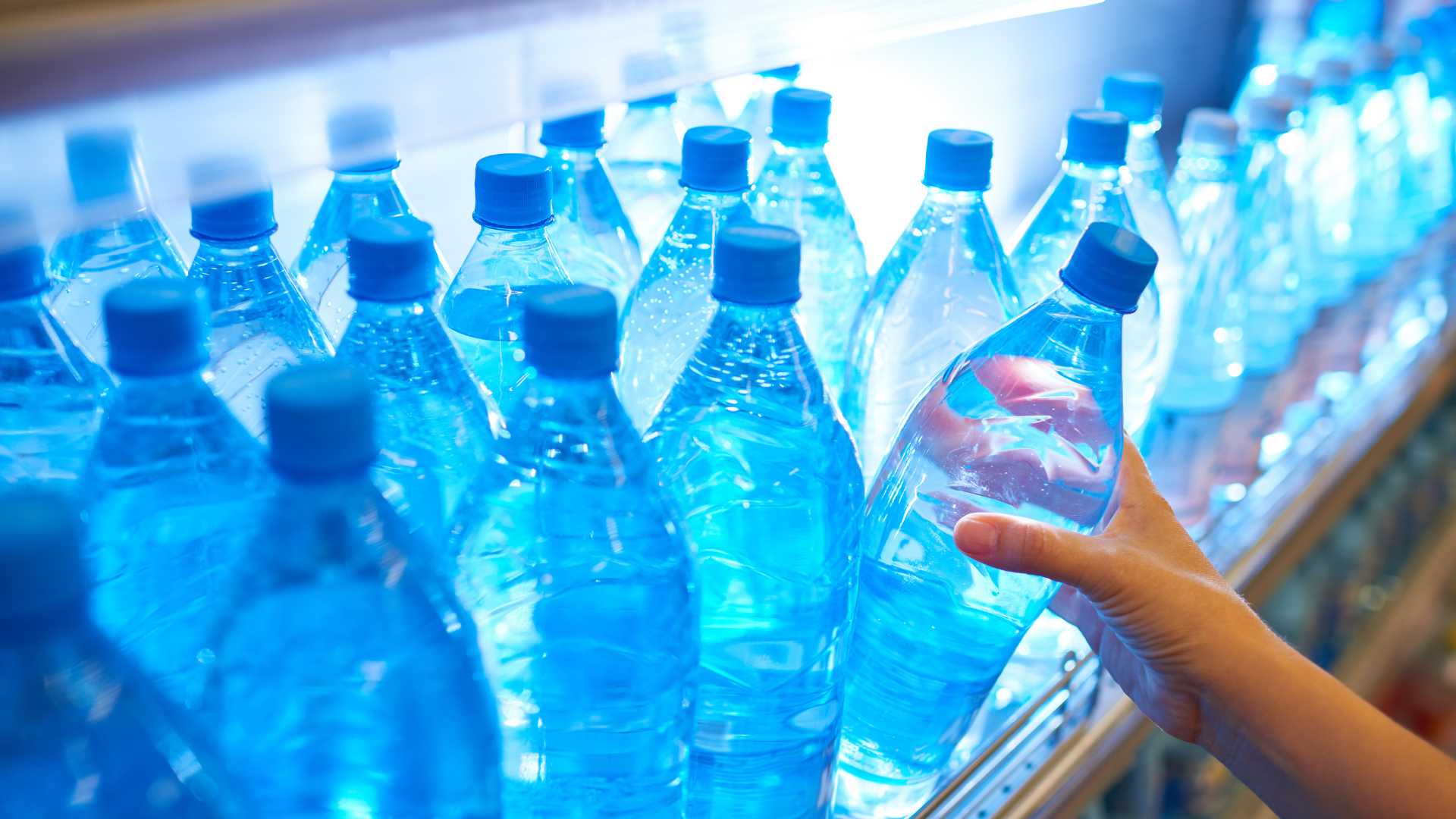
In contemporary India, bottled water has transitioned from an occasional convenience to a routine necessity. Across railway stations, offices, restaurants and urban households, packaged drinking water is widely consumed, reflecting declining public trust in municipal water supplies.
This shift is driven by concerns over contamination in piped water systems and the perception that factory-sealed water is safer and more hygienic. Bottled water has thus become embedded in daily life, especially in urban and peri-urban India.
However, this growing dependence raises governance concerns. When citizens increasingly bypass public utilities in favour of private alternatives, it reflects gaps in infrastructure, quality assurance, and institutional accountability. Over time, such dependence may weaken incentives for systemic public water reforms.
From a governance perspective, reliance on bottled water signals a trust deficit in public service delivery. If unaddressed, it may institutionalise private substitutes over public systems, deepening inequality and weakening long-term water security.
GS Linkages:
- GS2: Public health, governance, service delivery
- GS3: Water resource management
2. Microplastics: An Emerging Contaminant in Bottled Water
Scientific studies conducted in India have begun to challenge the perception of bottled water as inherently safer. While microbiological safety is generally maintained, research highlights the presence of microplastics — plastic particles smaller than five millimetres — in bottled drinking water.
A Nagpur-based study detected microplastics in all sampled brands, with concentrations ranging from 72 to 212 particles per litre. Notably, locally bottled water showed higher contamination levels than national brands, suggesting gaps in quality control practices.
Similar findings from Mumbai and coastal Andhra Pradesh indicate that contamination is widespread across regions and supply chains. Therefore, microplastics in bottled water represent not an isolated anomaly but an emerging environmental-health concern in India.
Key Evidence:
- Microplastics detected in 100% of sampled brands in certain regional studies
- Concentration range: 72–212 particles per litre
- Higher contamination in locally bottled units
Microplastics are also known carriers of toxic additives and pollutants. Emerging research suggests smaller particles may cross biological barriers, raising concerns about long-term health impacts. Nanoplastics — even smaller particles — remain below current detection thresholds and outside regulatory oversight.
The policy challenge lies in the invisibility of the risk. While bottled water meets conventional microbial standards, emerging contaminants like microplastics fall outside regulatory focus. Ignoring such risks may result in delayed recognition of cumulative public health impacts.
GS Linkages:
- GS3: Environmental pollution, health impacts
- GS2: Regulatory institutions
3. Chemical Leaching and Long-Term Exposure Risks
Beyond particulate contamination, bottled water is vulnerable to chemical leaching from plastic containers. Additives such as antimony, phthalates and plasticisers can migrate into water, especially under heat exposure and prolonged storage — conditions common in India’s climate and supply chains.
Transportation, warehousing, and retail display often expose bottles to direct sunlight and elevated temperatures. Studies indicate that ultraviolet radiation and heat accelerate the leaching process.
Although detected chemical levels typically remain within regulatory limits, current standards assess substances individually and over short durations. They do not adequately consider cumulative, long-term exposure to multiple additives combined with microplastics.
Conditions Increasing Risk:
- High ambient temperatures
- Direct sunlight during storage
- Prolonged warehousing
This creates a disconnect between daily consumption patterns and regulatory design. Chronic exposure pathways remain insufficiently studied within Indian regulatory frameworks.
When standards are designed for short-term thresholds but exposure is chronic and multi-source, regulatory adequacy becomes questionable. Failure to update standards may underestimate long-term public health costs.
GS Linkages:
- GS2: Health regulation and standards
- GS3: Environmental toxicology
4. Regulatory Gaps and Enforcement Challenges
Packaged drinking water in India is primarily regulated by the Food Safety and Standards Authority of India (FSSAI). Following the removal of mandatory BIS certification, FSSAI oversees licensing, testing and compliance under updated norms.
While baseline microbiological standards have improved, current regulations do not mandate testing or limits for microplastics. Nor do they comprehensively address plastic-derived chemical exposure under real-world storage conditions.
State-level surveys, including in Karnataka, have identified unsafe or substandard samples, highlighting enforcement gaps rather than mere regulatory absence. The challenge is intensified by a fragmented industry comprising thousands of small bottling units, many operating with limited oversight and extracting groundwater from already stressed aquifers.
Regulatory Gaps:
- No specified limits for microplastics
- Limited focus on cumulative chemical exposure
- Fragmented industry oversight
- Enforcement variability across states
The regulatory lag illustrates a broader institutional challenge: standards often evolve slower than emerging scientific evidence.
If regulatory institutions fail to incorporate evolving scientific findings, governance credibility erodes. Delayed policy adaptation can transform manageable risks into systemic public health challenges.
GS Linkages:
- GS2: Statutory bodies (FSSAI), regulatory governance
- GS3: Groundwater depletion, environmental sustainability
5. Environmental Footprint and Circular Contamination
The bottled water industry contributes significantly to India’s plastic waste burden. India generates millions of tonnes of plastic waste annually, with single-use water bottles forming a substantial share.
As discarded plastic degrades in landfills, rivers and oceans, it fragments into microplastics. These particles re-enter ecosystems and water sources, eventually contaminating even treated and bottled supplies. Thus, bottled water contributes to the very contamination risks it seeks to avoid.
This convergence of environmental degradation and human health risk demonstrates that bottled water is not merely a consumer product but part of a larger ecological cycle.
Environmental externalities and public health risks are interconnected. Ignoring plastic waste management undermines both ecological sustainability and drinking water safety, creating a feedback loop of contamination.
GS Linkages:
- GS3: Waste management, pollution
- GS1: Human-environment interaction
6. Way Forward: Reducing Overdependence and Strengthening Public Systems
Bottled water remains indispensable during emergencies, disaster relief operations, and in areas lacking potable water infrastructure. Therefore, the issue is not prohibition but excessive dependence and misplaced trust.
Short-term risk reduction measures include:
- Promoting point-of-use filtration systems capable of removing particulate matter
- Avoiding prolonged heat exposure of bottled water
- Expanding refill stations and public water dispensing systems
Systemic reforms require:
- Strengthening municipal water infrastructure
- Transparent public disclosure of water quality data
- Expanding affordable household filtration access
- Updating FSSAI and BIS standards to include microplastic testing
- Strengthening monitoring of small bottling units
Restoring trust in monitored public water systems is central to long-term water security.
Durable solutions lie in institutional strengthening rather than market substitution. If public systems remain weak, private bottled water dependence will persist, with rising environmental and health costs.
GS Linkages:
- GS2: Urban governance, public health
- GS3: Sustainable development
Conclusion
The rise of bottled water in India reflects deeper institutional and environmental challenges. Emerging evidence on microplastics and chemical leaching highlights regulatory blind spots that demand urgent policy recalibration.
Strengthening public water systems, updating scientific standards, and aligning environmental sustainability with public health regulation are essential for long-term water security. The issue is no longer merely about consumer choice, but about governance capacity and regulatory responsiveness in an era of emerging contaminants.