1. Budget 2026 and the Vision of Viksit Bharat 2047
Budget 2026 is presented as a strategic instrument aligned with India’s long-term national goal of becoming a developed country by 2047. The Prime Minister’s address frames the Budget as reflective of the aspirations of 140 crore Indians, linking fiscal policy with collective national ambition.
The emphasis on Viksit Bharat situates the Budget within outcome-oriented governance rather than short-term populism. It signals continuity with reform-led growth while addressing macroeconomic stability.
By articulating a long-term vision, the Budget seeks to anchor public expectations and private investment decisions. If such alignment is absent, fiscal measures risk appearing fragmented and losing developmental coherence.
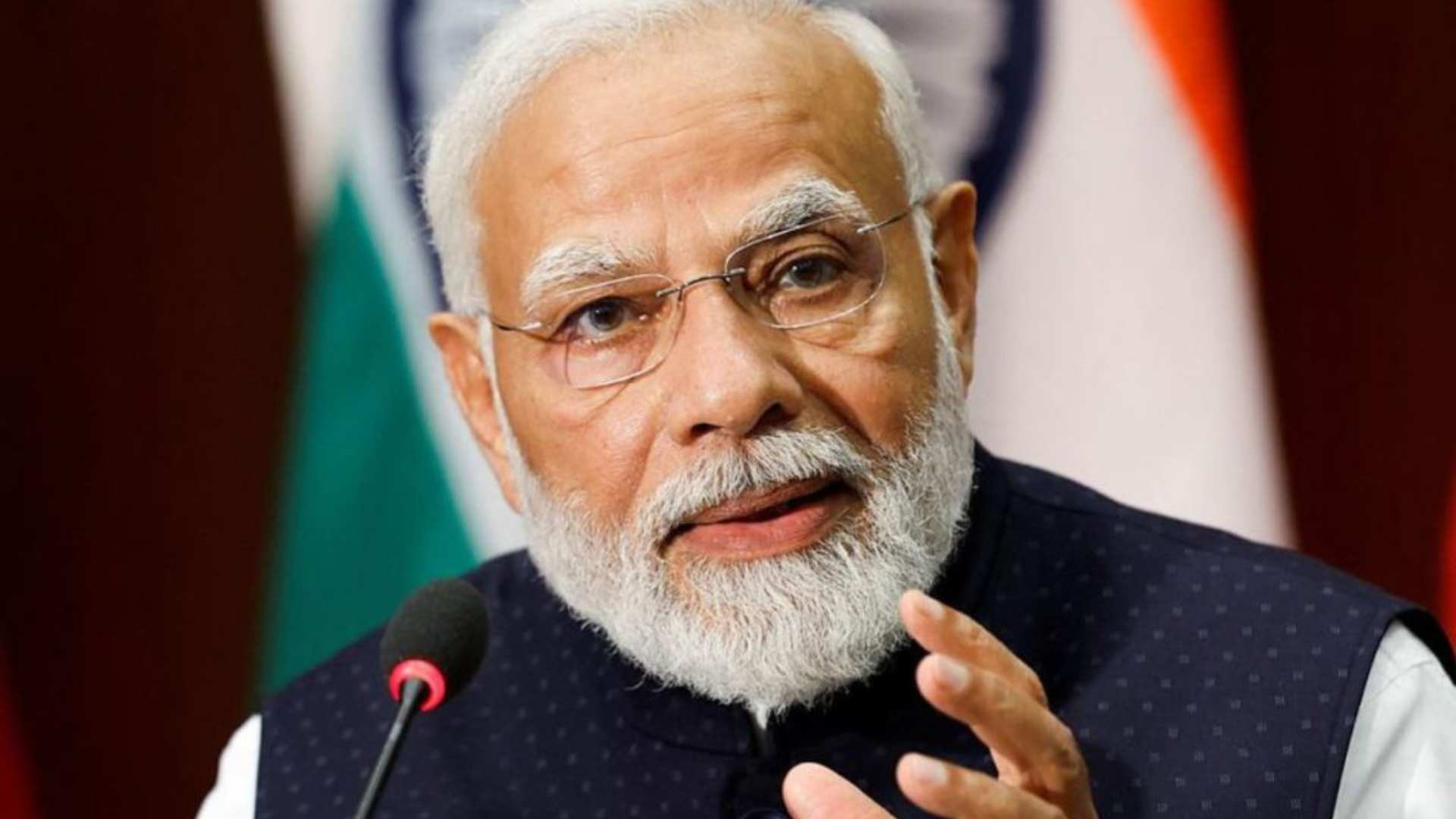
“Budget 2026 captured the aspirations of 140 crore Indians.” — Prime Minister Narendra Modi
The governance logic lies in aligning annual fiscal planning with long-term national transformation; without this, policy measures may lack strategic direction.
2. Fiscal Prudence with Growth Orientation
A core theme of Budget 2026 is the attempt to balance fiscal consolidation with growth imperatives. The Prime Minister highlighted a focus on reducing the fiscal deficit and controlling inflation while maintaining high capital expenditure.
This approach reflects an understanding that macroeconomic stability is a prerequisite for sustained growth. Fiscal discipline helps preserve investor confidence and monetary stability, while capital expenditure drives demand and productivity.
The coexistence of deficit reduction and high growth signals policy credibility. Ignoring either dimension could lead to either inflationary pressures or growth stagnation.
The logic is counter-cyclical yet responsible fiscal management; neglecting this balance risks macroeconomic instability.
3. Capital Expenditure, Reforms, and Manufacturing Push
The Budget is portrayed as providing momentum to structural reforms and manufacturing-led growth. It reinforces flagship initiatives such as Make in India and Atmanirbhar Bharat by positioning capital expenditure as a growth multiplier.
The Prime Minister described the reform trajectory as a “reform express,” indicating continuity and acceleration rather than policy reversal. This is significant for private sector confidence and long-term industrial planning.
Failure to sustain reform momentum could weaken India’s competitiveness and manufacturing depth.
The logic links reforms with productive public spending; ignoring this linkage would dilute growth outcomes.
4. Employment Generation and New Growth Sectors
Job creation emerges as a central development outcome of Budget 2026. The focus is on sectoral diversification rather than reliance on traditional employment avenues.
Initiatives such as medical hubs, tourism promotion—especially in the North-East—and expansion of the “orange economy” are intended to create regionally balanced employment opportunities. Sports infrastructure through the Khelo India Mission is also linked to youth engagement and jobs.
These measures aim to convert demographic potential into productive employment. Without such diversification, demographic dividend risks turning into demographic stress.
Employment-linked Focus Areas:
- Medical hubs and health infrastructure
- Tourism promotion, especially in the North-East
- Expansion of the “orange economy”
- Khelo India Mission
The logic is employment through sectoral expansion; ignoring this could exacerbate youth unemployment.
5. Digital Economy, Data Infrastructure, and States’ Role
The Budget announces major tax exemptions to position India as a global data centre hub. This aligns with India’s digital economy ambitions and its role in global data value chains.
Empowering States is highlighted as strengthening the foundation for balanced development. Decentralised growth is critical for reducing regional disparities and improving governance outcomes.
If digital infrastructure and cooperative federalism are not prioritised, growth may remain uneven and exclusionary.
The logic integrates digital infrastructure with federal balance; neglecting it risks regional and technological divides.
6. Women, Education, and Social Infrastructure
The Prime Minister underscored the success of self-help groups involving over 10 crore women, noting continued policy priority for this ecosystem. This reflects the integration of gender empowerment into economic policy.
The proposal to build new hostels for girl students in every district aims to improve educational access and retention, especially in rural and semi-urban areas.
Social infrastructure investments support long-term human capital formation. Ignoring these dimensions can weaken inclusive growth.
Social Development Measures:
- Strengthening SHG ecosystem (10 crore women)
- New hostels for girl students in every district
The logic links social investment with economic participation; neglecting it undermines inclusive development.
7. Strategic Industrial and Technological Missions
Budget 2026 places emphasis on future-oriented industrial capabilities. Missions related to biopharma, semiconductors, electronics, rare earths, and critical minerals aim to strengthen strategic autonomy.
Support for textiles, high-tech tool manufacturing, and champion MSMEs reflects an integrated industrial ecosystem approach. These sectors are critical for exports, employment, and supply-chain resilience.
Without such forward-looking investments, India risks remaining dependent on external supply chains in strategic sectors.
Key Industrial Initiatives:
- Biopharma Power Mission
- Semiconductor Mission 2.0
- Electronic Component Manufacturing Scheme
- Rare Earth Corridor and critical minerals focus
- Champion MSMEs
The logic is strategic self-reliance through industrial depth; ignoring this exposes the economy to external shocks.
Conclusion
Budget 2026 positions fiscal policy as a bridge between macroeconomic stability and long-term transformation. By combining fiscal prudence, employment generation, social inclusion, and strategic industrialisation, it seeks to lay a durable foundation for Viksit Bharat 2047. The effectiveness of this vision will ultimately depend on consistent implementation and cooperative federal execution.