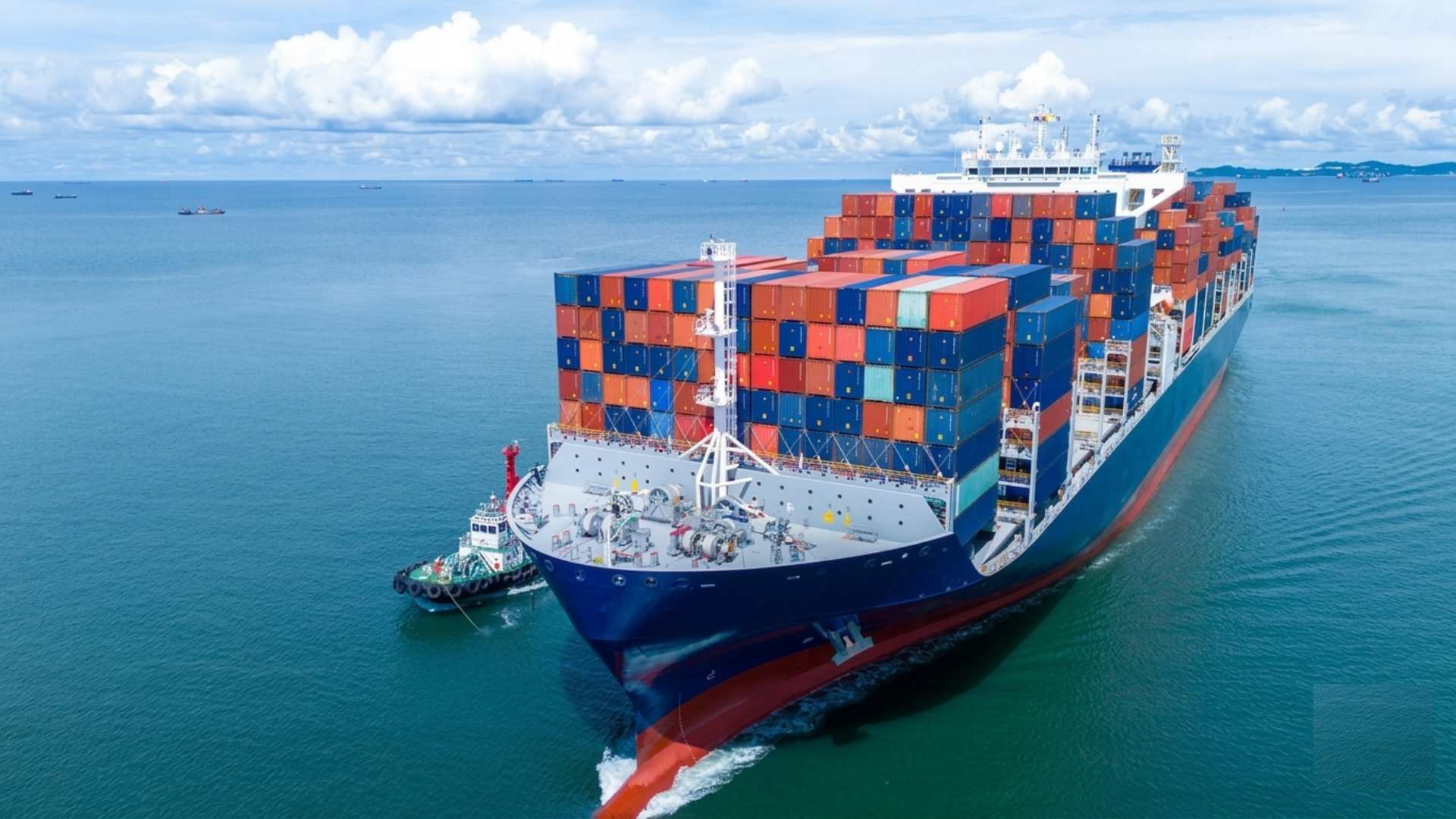
China Surpasses Netherlands as India's Third-Largest Export Market

In February 2023, China became India's third-largest export destination, despite an overall decline in exports and shipments to key markets.
S
Surya
3 mins read
China emerges as India’s key export market

Introduction

India’s merchandise exports stood at $36.61 billion in February, registering a 0.81% year-on-year decline, reflecting global trade uncertainties. Notably, China emerged as India’s third-largest export destination, while exports to major partners like the US and UAE weakened. With the top 10 countries accounting for over 50% of exports, shifts in key markets have significant implications for India’s trade strategy.


Background & Context

  • India’s export basket is highly dependent on a few major destinations.

  • Global trade is currently influenced by:

    • Geopolitical tensions (West Asia crisis)
    • Tariff uncertainties (US policies)
    • Energy trade shifts (Russian crude dynamics)
  • Logistics chokepoints like the Strait of Hormuz affect trade flows.


1. Shift in Export Destinations

CountryTrendKey Reason
China+32.4% growthLow base, electronics & marine exports
Netherlands-31.3%Decline in refined petroleum exports
USA-13%Tariff uncertainty, high base effect
UAE-0.3%Temporary fluctuation
Germany & Hong KongGrowthDiversification

2. Concentration Risk

  • Top 10 export destinations → >50% of exports
  • Any fluctuation in these markets → large macroeconomic impact

3. Sectoral Drivers

  • Growth sectors:

    • Electronics
    • Marine products
  • Declining sectors:

    • Refined petroleum (due to reduced Russian crude imports)

**Key Concepts **

1. Base Effect

  • Growth appears higher due to low previous-year base
  • Important in interpreting export data (e.g., China surge)

2. Tariff Uncertainty

  • Policy unpredictability reduces export planning and investment
  • Example: US Section 301 investigations

3. Trade Diversification

  • Reducing dependency on few markets
  • Expanding into emerging economies and new regions

Implications for India

1. Trade Policy Challenges

  • Dependence on limited markets → vulnerability
  • Need for market diversification

2. Geopolitical Risks

  • West Asia crisis → logistics disruptions
  • Strait of Hormuz → critical for energy & trade routes

3. Export Competitiveness

  • Tariffs + global slowdown → reduced demand

  • Need for:

    • Cost efficiency
    • Value addition

4. Supply Chain Vulnerability

  • Freight disruptions → delays + higher costs
  • Impacts MSMEs and exporters disproportionately

Challenges

  • High export concentration risk
  • Global protectionism and tariff barriers
  • Dependence on energy-linked exports
  • Logistics bottlenecks (Hormuz, Red Sea)
  • Limited penetration in new markets

Strategies for Enhancing India’s Export Performance

Strategy AreaKey MeasuresExpected Outcomes
Market DiversificationExpand exports to Africa, Latin America, ASEANReduces dependency on traditional markets; improves resilience to global shocks
Strengthening Trade AgreementsPursue FTAs with EU, UK, and emerging economiesEnhances market access; boosts export competitiveness
Enhancing Export CompetitivenessPromote high-value manufacturing (electronics, pharma); improve ease of doing export businessMoves up value chain; increases global demand for Indian goods
Logistics & InfrastructureReduce freight costs; develop efficient and resilient supply chainsMinimizes delays and costs; improves reliability of exports
Policy StabilityEnsure predictable tariff regime; provide export incentives for MSMEsBuilds investor confidence; supports small exporters and sustained growth

Expert Insight

“Trade diversification and resilience are essential in an era of geopolitical fragmentation.” — (WTO perspective)


Conclusion

India’s export performance reflects the interplay of global uncertainty, policy shifts, and structural dependencies. While emerging markets like China offer opportunities, declining exports to traditional partners highlight vulnerabilities. A balanced strategy focusing on diversification, competitiveness, and resilience is essential to sustain export growth in a volatile global environment.

Quick Q&A

Everything you need to know

Recent trends in India’s merchandise exports reflect a mixed and somewhat uncertain global trade environment. Overall exports declined marginally by 0.81% year-on-year to $36.61 billion in February, indicating a slowdown. Notably, exports to 7 out of the top 10 destinations contracted, highlighting broad-based weakness in demand across key markets.

However, certain positive trends emerged:

  • China’s rise: China became India’s third-largest export destination, with exports growing by 32.4%, driven by sectors like electronics and marine products.
  • Growth in select markets: Exports to Germany and Hong Kong increased, suggesting diversification opportunities.

At the same time, major destinations like the US and UAE saw declines, indicating vulnerability to global uncertainties such as tariffs and geopolitical tensions.

These trends suggest that India’s export performance is increasingly shaped by external factors such as geopolitical developments, trade policies, and global demand cycles. While diversification is occurring, dependence on a few key markets and sectors remains a structural concern.

China’s emergence as a major export destination for India is noteworthy given the persistent trade imbalance between the two countries. The recent surge in exports—growing by over 32%—can be attributed to both cyclical and structural factors.

Key reasons include:

  • Low base effect: The growth is partly due to relatively low exports in the previous year.
  • Sector-specific demand: Increased shipments of electronics and marine products have driven export growth.
  • Supply chain shifts: China’s evolving industrial structure creates demand for intermediate goods from countries like India.

For example, India’s marine exports and certain electronic components are finding a market in China due to changing consumption and production patterns.

However, this trend must be viewed cautiously. While exports to China are rising, India continues to face a large trade deficit with China. Thus, the increase reflects opportunistic gains rather than a structural correction, and sustained growth would require diversification into higher-value exports.

Geopolitical factors and trade policies play a critical role in shaping India’s export performance. The recent decline in exports to key markets such as the United States and disruptions in shipping routes highlight the vulnerability of trade to external shocks.

Key mechanisms of influence include:

  • Tariff uncertainties: US tariff policies and investigations under Section 301 create unpredictability, discouraging trade.
  • Geopolitical conflicts: The West Asia crisis has disrupted freight movement through the Strait of Hormuz, affecting logistics.
  • Energy trade dynamics: Reduced imports of Russian crude have impacted refined petroleum exports to countries like the Netherlands.

For instance, India’s exports to the US declined by nearly 13%, partly due to tariff-related uncertainties and base effects from earlier stockpiling.

Thus, India’s export sector is deeply embedded in the global system, and its performance depends not just on domestic competitiveness but also on stable geopolitical and policy environments.

The decline in exports to traditional markets such as the US, UAE, and the Netherlands can be attributed to a combination of cyclical and structural factors. These markets have historically been key destinations, making their contraction particularly significant.

Major reasons include:

  • High base effect: Exports surged in previous years, especially to the US, leading to a relative decline.
  • Tariff uncertainties: Ongoing trade policy changes in the US have created uncertainty.
  • Energy trade shifts: Reduced refining activity due to lower Russian crude imports has affected exports to the Netherlands.
  • Temporary fluctuations: Minor declines, such as in the UAE, may be short-term.

For example, the Netherlands acts as a gateway to Europe, and reduced petroleum exports significantly impacted overall trade figures.

These factors indicate that India’s export performance is sensitive to sector-specific dependencies and global market conditions, necessitating diversification and resilience-building strategies.

India’s export sector faces a complex mix of challenges and opportunities in the current global context. While diversification into new markets like China and Hong Kong offers growth potential, several structural and external challenges persist.

Challenges:

  • Global demand slowdown: Weak economic conditions in major markets affect export demand.
  • Geopolitical risks: Conflicts disrupt trade routes and increase costs.
  • Policy uncertainties: Tariffs and trade restrictions create unpredictability.
  • Sectoral concentration: Dependence on specific sectors like petroleum increases vulnerability.

Opportunities:
  • Market diversification: Growth in China and other regions reduces dependence on traditional markets.
  • Value addition: Expanding into high-value sectors like electronics can boost competitiveness.
  • Trade agreements: FTAs can open new markets and reduce barriers.

For example, the rise in exports to China indicates potential for diversification, but reliance on low-value goods limits gains.

Overall, India must adopt a balanced strategy focusing on diversification, value addition, and resilience to navigate the evolving global trade landscape.

The Strait of Hormuz disruption due to the West Asia crisis provides a critical case study on how logistics and supply chain challenges impact India’s exports. As a major global shipping route, any disruption in this region has immediate consequences for trade flows.

Key impacts include:

  • Increased shipping costs: Longer routes and higher insurance premiums raise export costs.
  • Delays in delivery: Disruptions affect timely fulfillment of export orders.
  • Reduced competitiveness: Higher costs make Indian goods less competitive in global markets.

For instance, the Commerce Secretary noted that March exports are expected to face challenges due to these logistics bottlenecks.

This case highlights the importance of robust supply chain infrastructure and diversification of trade routes. India must invest in alternative corridors, improve port efficiency, and strengthen regional partnerships to mitigate such risks.

Thus, logistics resilience is as crucial as production capacity in ensuring sustainable export growth in an increasingly uncertain global environment.

Attribution

Original content sources and authors

Sign in to track your reading progress

Comments (0)

Please sign in to comment

No comments yet. Be the first to comment!