1. Press Note 3 and the Framework on Chinese FDI
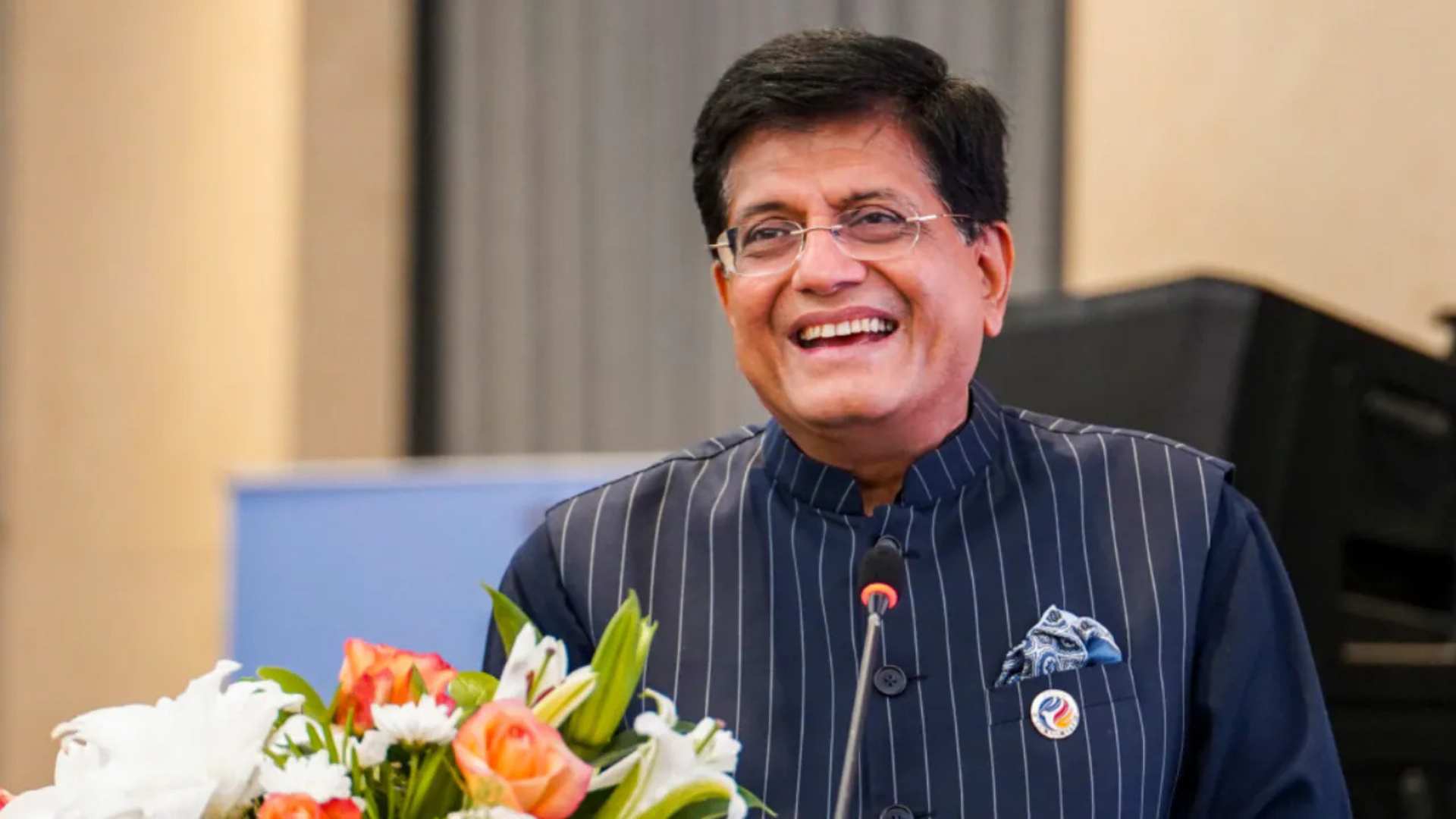
India may adopt a “calibrated” and “step-by-step” approach to easing norms on investments originating from China, according to the Union Commerce and Industry Minister. At present, Chinese FDI is not banned but subject to prior government approval.
Under Press Note 3 (April 2020), investments from countries sharing a land border with India require mandatory government approval. These countries include China, Bhutan, Nepal, Bangladesh, Pakistan, Afghanistan, and Myanmar. The policy was introduced to prevent “opportunistic takeovers” of Indian firms during Covid-19-induced financial stress, particularly amid heightened border tensions with China.
The government now signals a possible acceleration of approvals while consulting industry stakeholders. The objective is to facilitate technology access and strengthen value-chain integration without compromising national security.
“It may be a calibrated response. It may be ‘step-by-step’.” — Piyush Goyal
A calibrated approach attempts to balance economic engagement with strategic caution. If policy remains rigid, it may limit technology inflows; if too liberal, it may raise security and dependency concerns.
2. Economic Security vs Value-Chain Integration
The government has emphasised that it is in dialogue with industry and remains open to adapting policy in line with evolving geopolitical conditions. The easing of norms would depend on sectoral needs and broader bilateral relations.
India’s manufacturing ambitions and participation in global value chains require access to capital, technology, and intermediate goods. Chinese firms are deeply embedded in global supply networks, especially in electronics, renewable energy, and critical inputs.
Therefore, policy recalibration reflects an attempt to strengthen domestic production capabilities while managing strategic sensitivities.
Economic growth increasingly depends on integration into global supply chains. However, unregulated dependence on a single country can create vulnerabilities in times of geopolitical stress.
3. Trade Deficit and Import Dependence
The minister highlighted concerns regarding a surge in imports during earlier periods of tariff liberalisation. Between 2004 and 2014, India’s trade deficit with China reportedly grew by over 2,500%.
Lower import duties during 2007–08 to 2013–14 were cited as contributing to the influx of low-cost goods. The concern was that sustained dumping practices and price undercutting weakened domestic manufacturing.
The current approach seeks to balance openness with protection of domestic industry through selective tariffs, regulatory oversight, and quality standards.
Persistent trade imbalances can weaken domestic industrial capacity. However, excessive protection may reduce competitiveness and consumer welfare.
4. Quality Control Orders (QCOs) and Standards Regime
Quality Control Orders (QCOs) have been expanded in recent years to promote product standards and safeguard consumers. The government maintains that QCOs are not intended to restrict imports but to ensure minimum quality benchmarks.
The Bureau of Indian Standards (BIS) has developed voluntary standards, encouraging firms to upgrade product quality. Standardisation also supports India’s export competitiveness by aligning with global norms.
The policy aims to discourage substandard imports while fostering domestic manufacturing upgrades.
Quality regulation strengthens consumer protection and industrial competitiveness. Without enforcement capacity, however, standards may become procedural rather than transformative.
5. Free Trade Agreements (FTAs) and Defensive Interests
Since 2021, India has concluded or finalised FTAs with Mauritius, UAE, Australia, EFTA, UK, Oman, New Zealand, EU, and the US. Several are in various stages of implementation.
Implementation Timeline:
- EFTA: Effective October 1
- UK & Oman: Expected April
- New Zealand: Later this year
- EU: Expected to be operational next year (post ratification)
- GCC: Negotiations to be launched
- Chile: Under discussion (focus on critical minerals)
India reports that trade with Australia and the UAE has doubled since implementation of respective agreements.
The government asserts that FTAs are structured to protect “defensive interests,” including farmers, MSMEs, startups, and fisheries, while expanding export opportunities.
“Every trade deal is in India’s interests and protects our defensive interests.” — Piyush Goyal
Strategic FTAs aim to diversify markets and reduce overdependence on specific trading partners. Poorly negotiated agreements, however, may expose vulnerable sectors to import competition.
6. Technology, Critical Minerals and Strategic Trade
Negotiations with Chile and GCC countries indicate a focus on critical minerals and supply chain resilience. This aligns with India’s goals in renewable energy, electronics manufacturing, and defence production.
Securing critical mineral access reduces supply vulnerabilities and supports industrial policy initiatives such as Make in India and Production-Linked Incentive (PLI) schemes.
Simultaneously, calibrated FDI easing may support technology transfers and capital infusion in key sectors.
Access to critical inputs and technology determines industrial competitiveness. Without diversified sourcing, India risks supply disruptions in strategic sectors.
7. Federal and Institutional Coordination
Trade policy is formulated at the Union level, but its impact is felt across states and sectors. Engagement with industry bodies and sectoral stakeholders is central to policy recalibration.
The government has emphasised consultation and adaptability in response to evolving geopolitical and economic conditions.
Such coordination is essential to align trade, industrial, and foreign policy objectives.
Integrated policymaking ensures coherence between trade liberalisation and domestic industrial growth. Fragmented policy responses may create uncertainty and reduce investor confidence.
Conclusion
India’s evolving approach towards Chinese FDI and global trade agreements reflects a broader strategy of calibrated openness. Balancing economic engagement with national security, strengthening domestic manufacturing through standards and selective protection, and diversifying trade partnerships are central to this approach.
A step-by-step reform process—grounded in consultation, strategic autonomy, and value-chain integration—will shape India’s long-term economic resilience and global competitiveness.