Introduction
The U.S.-Israeli strikes on Iran (February 28, 2026) have triggered one of the most severe supply chain disruptions in recent history. The Strait of Hormuz — through which ~20% of global oil and LNG transits — is effectively choked, hitting Asia hardest. Naphtha, the Gulf-derived petrochemical feedstock essential to plastics manufacturing, is in acute shortage, cascading from instant noodles in South Korea to bottled water in India and toys in China.
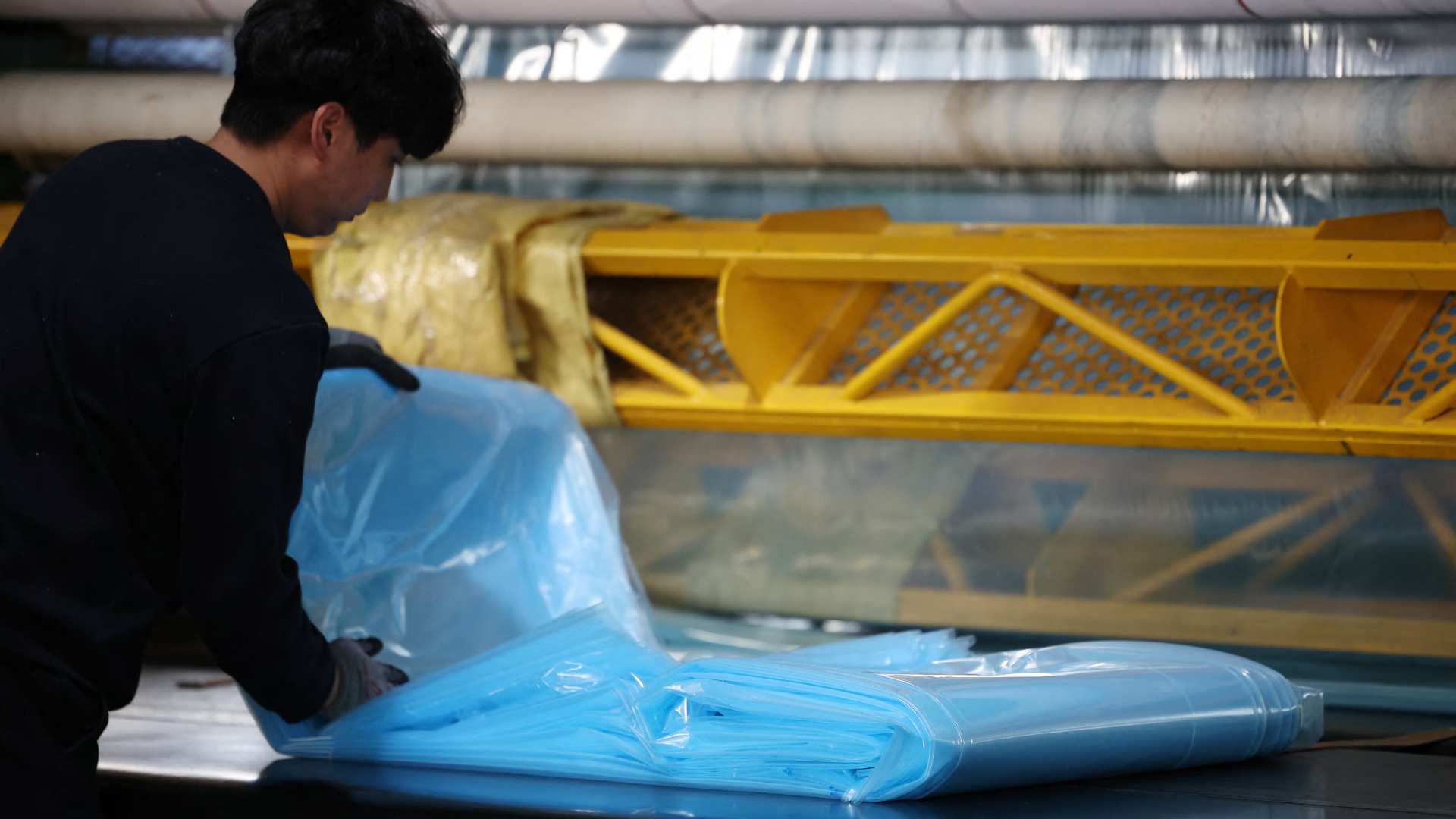
"This is the first time we've been hit this hard. We're really shaken." — Choi Gun-soo, Manager, South Korean plastic film factory (operating at 20–30% capacity)
"The issue isn't the price — if supply itself isn't available, then without containers, you simply can't sell the product." — Official, Yonwoo (container supplier to L'Oréal and K-beauty firms)
Background and Context
The Strait of Hormuz — A Critical Chokepoint:
- A narrow waterway off Iran's southern coast.
- Carries approximately one-fifth of global oil and LNG supply.
- Any disruption here creates immediate upstream shocks in oil, gas, petrochemicals, fertilisers, and plastics.
Why Asia is Most Vulnerable: Asia relies more heavily on Middle Eastern crude, gas, fuel, and fertiliser than any other region. Unlike Europe or North America, which have diversified supply chains and strategic reserves, Asian economies — particularly South Korea, Japan, China, and India — are deeply exposed to Gulf supply disruptions.
Key Concepts
The Naphtha–Plastics Chain:
Naphtha is a liquid hydrocarbon derived from crude oil refining, predominantly sourced from the Gulf. It is the primary feedstock for petrochemicals — the building blocks of plastics, synthetic rubber, packaging materials, and industrial chemicals.
| Raw Material | Derived From | End Products Affected |
|---|---|---|
| Naphtha | Gulf crude refineries | Plastics, PET, synthetic rubber, packaging |
| Butadiene rubber | Naphtha → petrochemical process | Tyres, gloves, industrial goods |
| PET (Polyethylene Terephthalate) | Naphtha derivatives | Food packaging, cosmetic containers, ramen cups |
| Heavy fuel oil | Crude oil | Industrial boilers, frying equipment, heating |
| LNG | Strait of Hormuz transit | Cooking gas, industrial fuel, brewing |
Supply Chain Contagion — How It Spreads: Oil shock → naphtha shortage → plastics shortage → packaging unavailability → production halts across food, cosmetics, electronics, and consumer goods sectors. Price signals travel faster than physical supply can adjust, triggering panic buying and hoarding, further amplifying shortages.
Sectoral Impact Across Asia
South Korea:
- Plastic film factories operating at only 20–30% capacity due to raw material shortages; some facing complete shutdown within weeks.
- Ramen manufacturers (Samyang, Nongshim) facing PET packaging shortages; companies holding 2–3 months of inventory as buffer.
- Supermarkets reporting shortages of household plastics (rubbish bags); purchase limits imposed.
- Consumer panic buying of basic packaged goods already underway.
Japan:
- Wasabeef crisps manufacturer Yamayoshi Seika halted production due to shortage of heavy boiler oil.
- Department stores warning of possible price increases across clothing and household appliances if crisis persists.
China:
- Produces nearly half the world's synthetic rubber; output projected to fall by ~one-third in April 2026 due to naphtha shortage.
- Toy manufacturers in Dongguan (supplying global retailers like Walmart) facing soaring raw material costs; price revisions imminent.
- Expandable polystyrene prices from Taiwan have risen 35%, yet buyers are accepting prices without negotiation — indicating supply anxiety over price sensitivity.
India:
- Bottled water prices rising due to plastic bottle and cap shortages.
- Global brewers operating in India warning of price hikes and supply disruptions from gas shortages.
Implications and Challenges
Economic Implications:
- Cost-push inflation: Rising petrochemical and fuel costs are pushing up prices across the consumer goods spectrum — not just energy products. This is a textbook case of supply-side inflation, resistant to demand-management tools like interest rate hikes.
- Industrial production contraction: Factories operating below capacity leads to reduced output, layoffs, and revenue losses — risking stagflationary conditions in import-dependent economies.
- Global trade disruption: Companies supplying multinationals (L'Oréal, Walmart, Michelin) are unable to guarantee supply timelines, threatening global value chains.
Strategic Implications:
- The crisis exposes the extreme geographic concentration of critical supply chains — a single chokepoint disrupting plastics, food packaging, rubber, and cosmetics simultaneously reveals structural fragility.
- It reinforces the case for supply chain diversification, strategic stockpiling of petrochemical feedstocks, and accelerated transition to bio-based or recycled plastics.
For India Specifically:
- India's dependence on Gulf energy makes it acutely vulnerable to Hormuz disruptions.
- The impact on everyday consumer goods (bottled water, packaged food, LPG) has direct inflation and food security implications.
- India's Strategic Petroleum Reserve (currently ~9.5 days of consumption) is inadequate relative to the scale of potential disruption.
Key Data Points for Exam Answers
- Strait of Hormuz: ~20% of global oil and LNG transit
- South Korean plastic film factory: production cut to 20–30% of normal
- China synthetic rubber output: projected to fall ~33% in April 2026
- Polystyrene prices (Taiwan): up 35%
- Naphtha raw material prices: rising up to 50% for some suppliers
- India's Strategic Petroleum Reserve: ~9.5 days of consumption cover
Conclusion
The Hormuz crisis is a masterclass in systemic supply chain vulnerability — demonstrating how a single geographic chokepoint can simultaneously disrupt plastics, food packaging, synthetic rubber, industrial fuels, and consumer goods across an entire continent. For India, the crisis is a policy inflection point: it demands faster buildout of strategic petroleum reserves, active diversification of energy import sources, investment in domestic petrochemical capacity, and a serious push toward bio-based packaging alternatives. More broadly, the episode underscores that energy security and supply chain resilience are not merely economic concerns — they are national security imperatives.