1. Macroeconomic Context and Policy Interventions
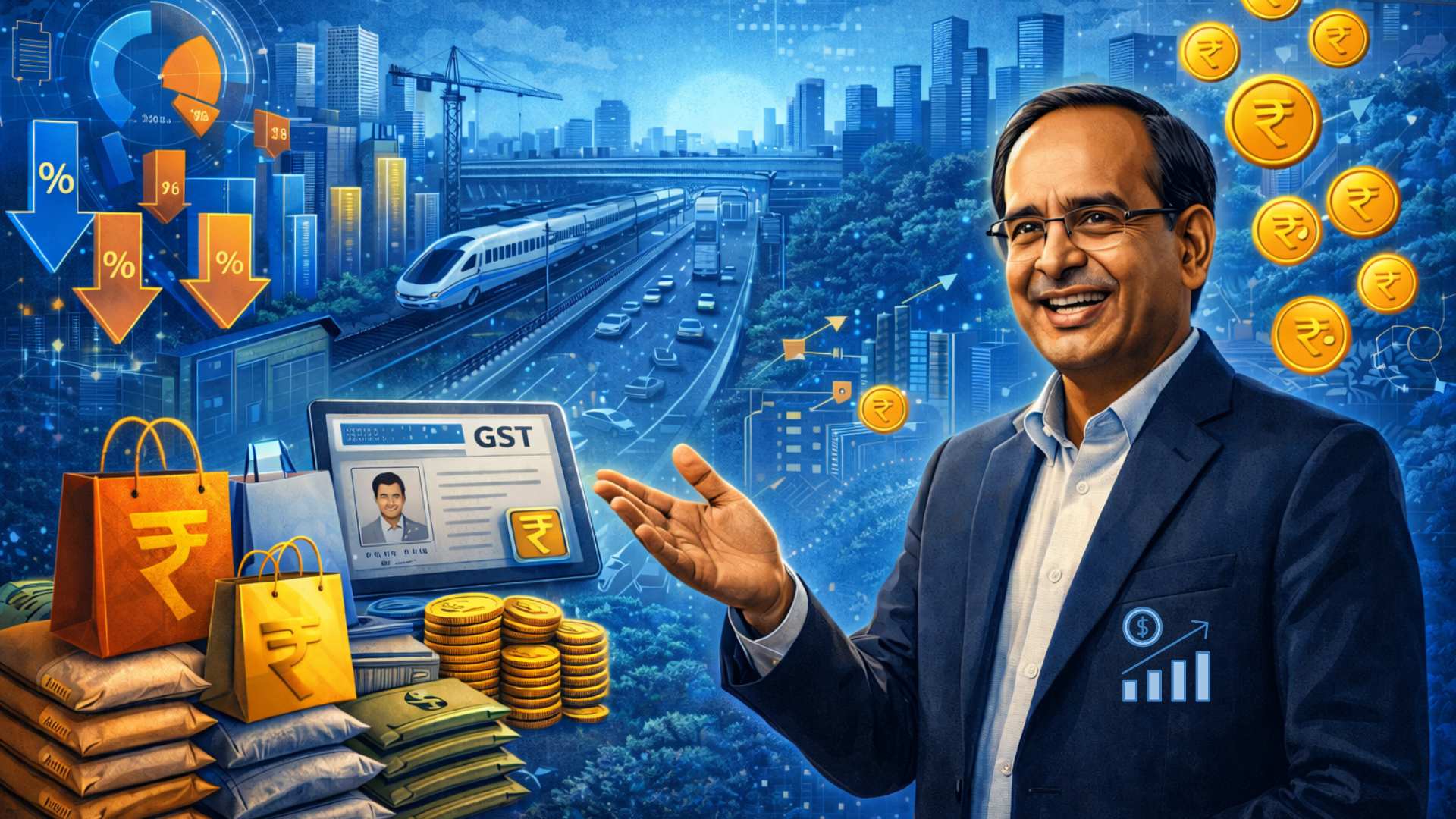
India’s recent economic performance has been described as the fastest-growing and most resilient globally. Sanjiv Puri, CMD of ITC, attributes this to targeted policy interventions, including reductions in income-tax rates and the recent lowering of the goods and services tax (GST). These measures have enhanced disposable incomes and consumption capacity, stimulating domestic demand.
Investments in public infrastructure have continued unabated, providing a robust foundation for sustained economic activity. Digitisation, low inflation, and rural investment further strengthen the macroeconomic environment, creating favourable conditions for sectors like FMCG to expand.
Stable macroeconomic policies coupled with strategic fiscal reforms enable inclusive growth and enhance investor confidence. Ignoring these levers could limit the economy’s resilience against global headwinds.
2. Consumption Patterns and Demographics
India remains a consumption-driven economy, and evolving consumer preferences are shaping FMCG growth. The emergence of GenZ, accounting for 46% of consumption spend with a population of 400 million, is redefining market demands toward clean labels, health-oriented products, and experiential indulgence.
Simultaneously, the consumer base above 40 years old, numbering approximately 250 million, seeks nutrition-dense and convenience-focused products. This demographic diversity necessitates a multi-cohort approach to product development, marketing, and distribution.
Understanding generational consumption patterns allows firms to align production, branding, and R&D with demand, ensuring sustainable sectoral growth.
3. Evolving Retail and Distribution Channels
The go-to-market landscape in India is rapidly evolving. While general trade remains significant, quick commerce (qcom), direct-to-consumer (D2C) platforms, and omni-channel approaches are gaining prominence. Companies must be nimble, consumer-centric, and technologically adaptive to remain competitive.
Impacts:
- Enables faster reach to rural and urban consumers
- Supports real-time feedback for product innovation
- Facilitates market penetration for new-age FMCG brands
Channel diversification mitigates risks associated with single distribution models and enhances resilience against supply chain disruptions.
4. Innovation, R&D, and Product Revitalisation
Innovation is central to competitiveness in India’s FMCG sector. ITC invests heavily in R&D through its life sciences and technology centre, focusing on rapid development, product diversification, and digital integration.
The company has revitalised its portfolio both organically (core brands) and inorganically (recent acquisitions: 24 Mantra, Prasuma, Mother’s Sparsh) to align with emerging consumer cohorts. AI and digital tools have become crucial in enabling faster product development, market analysis, and supply chain optimisation.
"In today’s world, it’s not about innovation merely because you are a challenger. You need a lot more innovation because there are many channels, many more cohorts emerging, and you need them fast." — Sanjiv Puri
Continuous innovation ensures sectoral adaptability, meeting diverse consumer demands and enhancing long-term competitiveness.
5. FMCG Sector Performance and Growth Trajectory
ITC’s FMCG turnover was approximately ₹22,000 crore in the previous year, with a current run rate of ₹24,000 crore. The medium-term target is ₹50,000 crore, reflecting ambitions in product leadership, market penetration, and global exports.
Rural consumption, currently growing faster than urban consumption, presents a significant opportunity. FMCG growth in these regions can catalyse income generation, improve livelihoods, and integrate rural economies into national value chains.
Impacts:
- Supports rural employment and agribusiness value chains
- Enhances domestic manufacturing and export potential
- Encourages sectoral investments in logistics, cold chains, and distribution
Balanced urban-rural growth in FMCG signals inclusive economic progress and strengthens India’s domestic demand base.
6. Way Forward: Policy and Market Implications
India’s continued policy support—tax reforms, infrastructure investment, and digitalisation—combined with sectoral innovation and demographic adaptation, positions the FMCG sector for sustained growth. Strategic alignment with emerging trends like AI-enabled marketing, D2C platforms, and eco-conscious products will enhance market competitiveness.
"To achieve this kind of a growth rate at a time when the whole world is going through so many challenges, is indeed remarkable and a testament to the policy interventions." — Sanjiv Puri
Leveraging macroeconomic stability, innovation, and demographic insights ensures long-term sectoral resilience and contributes to broader national economic development.
Conclusion
India’s economic resilience and FMCG sector expansion illustrate the synergistic effect of policy reforms, demographic opportunities, digital transformation, and R&D investment. Sustaining this trajectory requires continued policy support, strategic innovation, and responsive market mechanisms, reinforcing India’s position as a global growth leader.