1. Immediate Incident: Fuel Control Switch Malfunction on Boeing 787
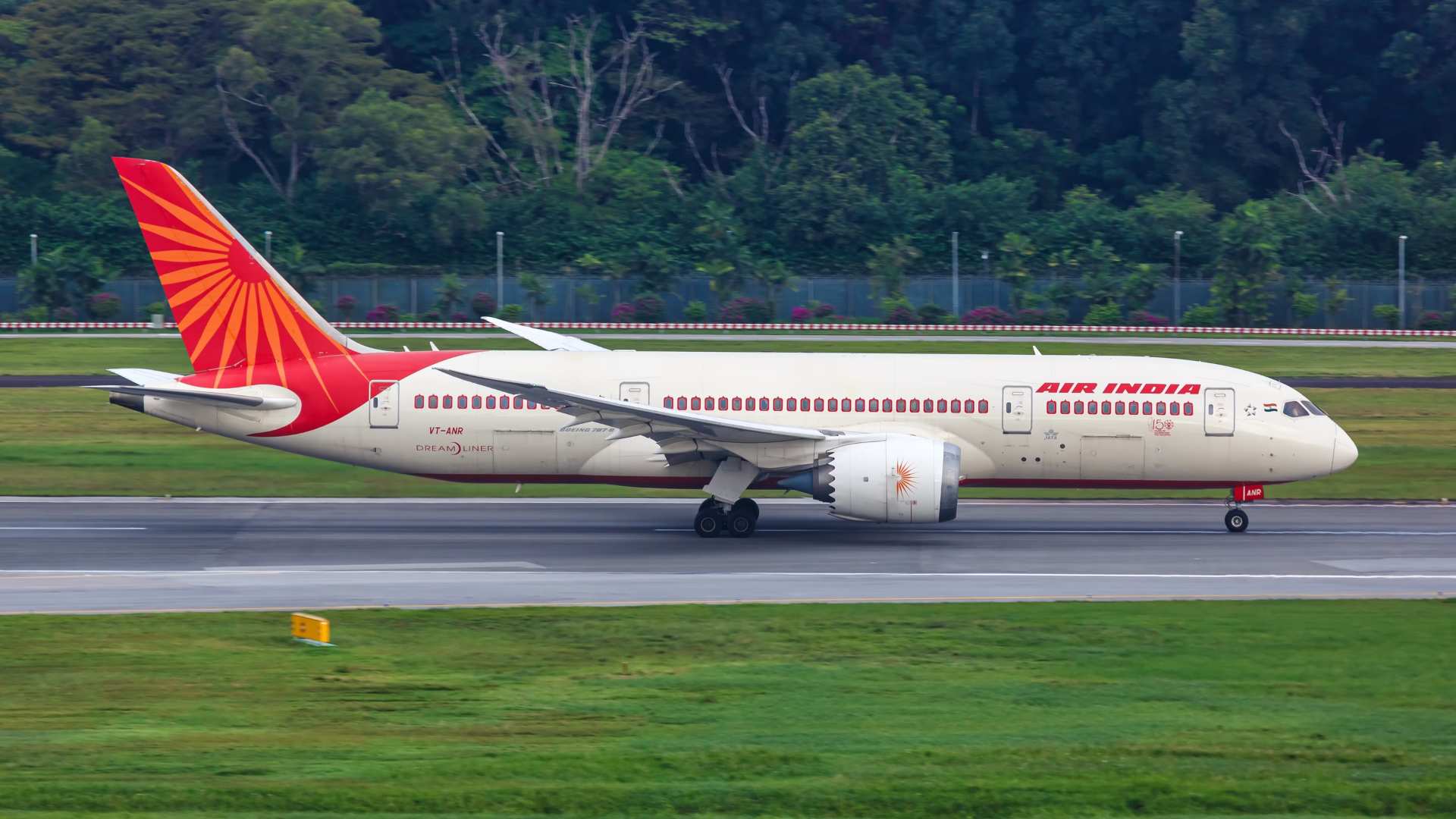
An Air India Boeing 787 operating the London–Bengaluru sector reported abnormal behaviour of the left engine fuel control switch during engine start. The switch failed to remain locked in the “Run” position and moved towards “Cutoff” on two attempts, prompting grounding of the aircraft.
The incident is significant because the fuel control switch is a critical engine control that directly regulates fuel flow. Any unintended movement towards “Cutoff” can interrupt fuel supply and potentially lead to engine shutdown under specific conditions.
Air India responded by grounding the aircraft, informing the Directorate General of Civil Aviation (DGCA), and involving Boeing, the original equipment manufacturer. This reflects established safety protocols and regulatory reporting norms.
If such incidents are not treated with urgency, even isolated malfunctions can escalate into systemic safety risks, undermining confidence in aviation safety oversight.
Prompt grounding and regulatory intimation demonstrate the precautionary principle in aviation governance. Ignoring early warning signs can allow latent technical faults to manifest during critical flight phases.
Key facts:
- Aircraft type: Boeing 787 / 787-9
- Route: London–Bengaluru
- Component involved: Left engine fuel control switch
2. Linkages with the Air India Flight AI171 Crash Investigation
Fuel control switches were central to the Air India Flight AI171 crash of June 12 last year in Ahmedabad, which resulted in 241 fatalities out of 242 people on board. The preliminary report by the Aircraft Accident Investigation Bureau (AAIB), released in July 2025, highlighted this aspect.
According to the report, both fuel control switches were moved to “Cutoff” in quick succession. Although they were returned to “Run” about 10 seconds later, the engines had already flamed out, leading to loss of thrust.
The report did not conclusively attribute responsibility to either pilot and did not rule out technical faults. Aviation medicine and psychology experts have been involved, indicating a multi-dimensional investigation.
If investigation findings are not integrated into preventive checks, past accidents risk repeating themselves through unresolved technical or human–machine interface issues.
Accident investigations serve a preventive governance function. Failure to translate findings into operational safeguards weakens the learning loop essential for aviation safety.
Evidence from investigation:
- AAIB preliminary report: July 2025
- Time gap before switch reset: ~10 seconds
- Fatalities: 241 of 242
3. Regulatory Oversight and the Role of DGCA
Following the AI171 crash, the DGCA had directed checks of fuel control switches across Air India’s Boeing 787 fleet. Air India stated that these checks found no issues at the time.
The recurrence of a reported switch malfunction after these precautionary checks raises questions about the depth, scope, and effectiveness of regulatory inspections. It also highlights the challenge of detecting intermittent or condition-specific faults.
Non-governmental actors, such as the Safety Matters Foundation, have called for transparent disclosure of inspection findings and an urgent regulatory review to determine whether the incident is isolated or fleet-wide.
If regulatory oversight does not adapt to emerging evidence, gaps between formal compliance and real-world safety conditions may persist.
Effective regulation requires continuous reassessment, not one-time compliance. Ignoring post-check incidents can erode trust in aviation safety institutions.
Governance concern:
- Possibility of fleet-wide issue
- Demand for airworthiness directive if systemic risk is found
4. Manufacturer Responsibility and Technical Scrutiny
Boeing stated that it is in contact with Air India and is supporting the review of the reported issue. Manufacturer involvement is critical when defects relate to core engine or electronic control systems.
Pilots’ associations have pointed to possible electrical malfunctions linked to the Thrust Control Management Apparatus. Concerns have also been raised about water seepage into the main electronic bay of Boeing 787-8 aircraft, potentially causing electrical faults.
Past incidents have been cited, including a February 17, 2019, All Nippon Airways Boeing 787-8 incident in Osaka where both engines lost thrust during landing, and a June 12, 2025, Air India Vienna–Delhi flight grounded due to flooding in the electronic bay.
If manufacturer-level design or systemic issues are not addressed, airline-level checks alone may be insufficient to ensure safety.
Aircraft safety is a shared responsibility between operators, regulators, and manufacturers. Weak coordination can leave structural vulnerabilities unaddressed.
Comparative references:
- ANA Boeing 787-8 incident: 2019, Osaka
- Air India Vienna–Delhi grounding: June 12, 2025
5. Role of Pilots’ Bodies and Civil Society in Aviation Safety
The Federation of Indian Pilots and the Safety Matters Foundation have consistently flagged concerns about fuel control switches and electrical systems in Boeing 787 aircraft. Their interventions highlight the role of professional bodies in safety governance.
Such organisations act as early warning mechanisms by aggregating frontline operational experience that may not be immediately visible in formal audits.
However, repeated warnings without decisive regulatory action can create friction between stakeholders and delay corrective measures.
Inclusive safety governance values inputs from pilots and civil society. Ignoring these voices risks normalising preventable hazards.
“We have been insisting that all Boeing 787 aircraft be grounded and checked for the electrical systems.” — C. S. Randhawa, Federation of Indian Pilots
Conclusion
The reported fuel control switch malfunction on an Air India Boeing 787 underscores unresolved safety concerns in the backdrop of an ongoing fatal crash investigation. For long-term aviation safety, regulatory vigilance, transparent investigations, manufacturer accountability, and incorporation of pilot feedback are essential. Strengthening these linkages will reinforce public confidence and uphold India’s civil aviation safety framework.