1. Context: India’s Expanding Aviation Market and the Regulatory Gap
India is emerging as the world’s third-largest aviation market, reflecting rapid economic growth, rising incomes, and increased air connectivity. However, institutional capacity has not kept pace with this expansion. The absence of robust data systems limits the ability of regulators to oversee complex market behaviour.
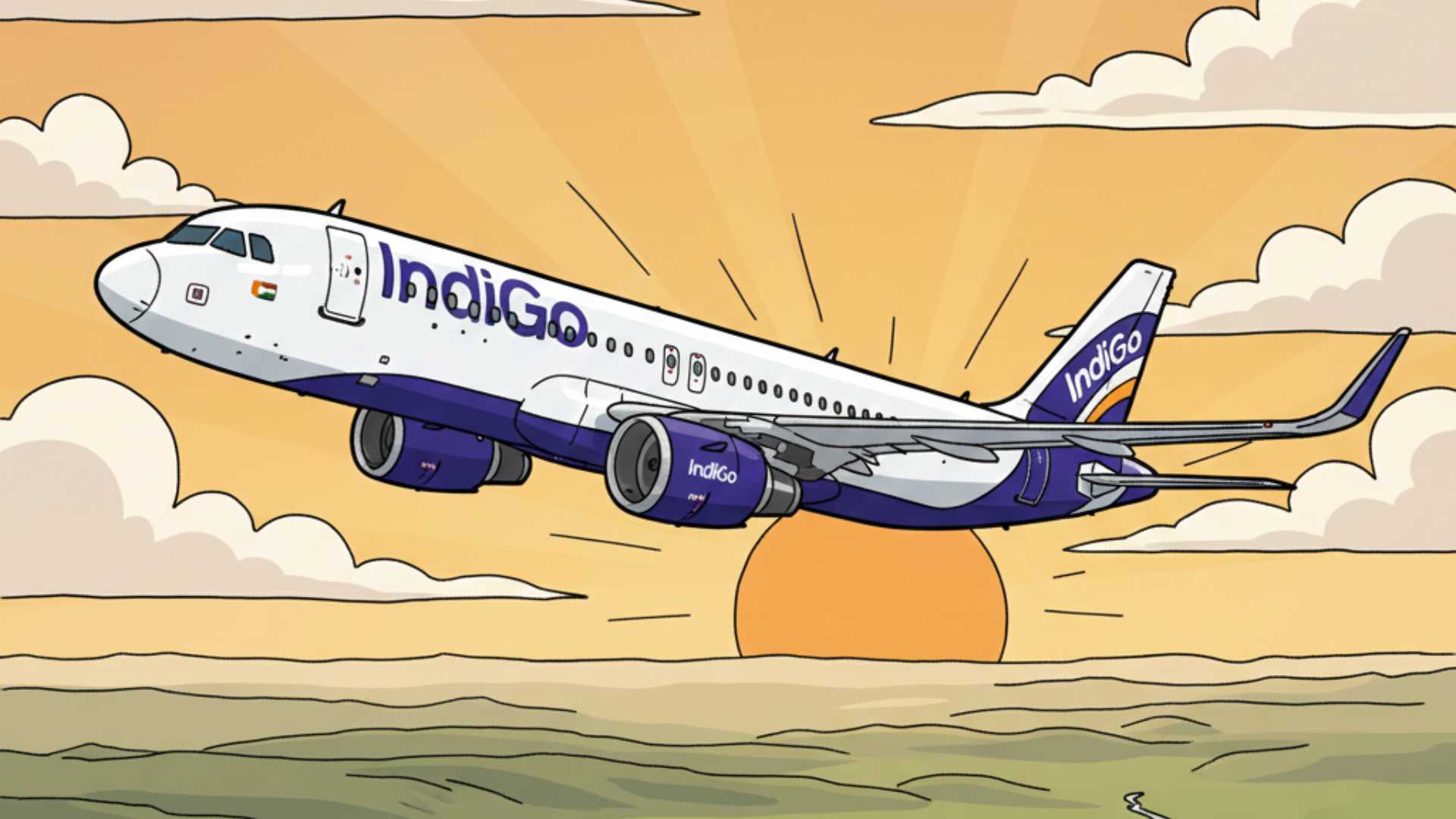
The December 2025 operational crisis involving IndiGo, which triggered a surge in domestic airfares, exposed this structural weakness. While regulators intervened through temporary price caps and data requisitions, the episode highlighted that India’s aviation oversight remains reactive rather than systemic.
India’s Directorate General of Civil Aviation (DGCA) primarily tracks passenger volumes and freight traffic. It lacks a structured framework to continuously analyse ticket-level pricing patterns across routes, carriers, and time periods. Consequently, distinguishing between demand-driven price spikes and potential abuse of market dominance becomes difficult.
In a fast-growing sector, regulatory capacity must evolve alongside market complexity. Without real-time or periodic analytical oversight, interventions risk becoming ad hoc, undermining both consumer protection and market efficiency.
GS Linkages:
- GS2: Regulatory bodies, governance and accountability
- GS3: Infrastructure, transport sector reforms
2. Immediate Regulatory Response: Price Caps and Investigations
In response to the fare surge, the Ministry of Civil Aviation imposed temporary price caps on domestic flights. The DGCA, prompted by the Competition Commission of India (CCI), sought average fare data from major airlines—IndiGo, Air India, SpiceJet, and Akasa—for the period December 1–15, 2025 to examine possible market abuse.
Such interventions are aimed at protecting consumer interests in the short term. They demonstrate coordination between sectoral and competition regulators. However, this approach relies on episodic data requests rather than continuous surveillance.
Temporary price caps can mitigate immediate consumer distress but may distort market signals if overused. More importantly, post-crisis data collection may not offer the analytical depth required to assess long-term patterns of dominance.
Reactive regulation addresses symptoms rather than structural gaps. Without a permanent data architecture, authorities may struggle to identify early warning signs of anti-competitive conduct or algorithm-driven price distortions.
Immediate Policy Tools Used:
- Temporary fare caps
- Data requisition from airlines
- CCI involvement in assessing market dominance
3. Comparative Model: U.S. Bureau of Transportation Statistics (BTS)
The United States provides a mature example of data-driven aviation regulation. The Bureau of Transportation Statistics (BTS) maintains the Airline Origin and Destination Survey (DB1B database), which collects ticket-level data for a 10% random sample of all domestic tickets sold each quarter since 1995.
This database includes:
- Actual fares paid
- Route and itinerary details
- Carrier information
Unlike aggregate passenger volume data, this system generates a detailed digital trail of pricing behaviour. The quarterly release with time lags ensures transparency while reducing risks of real-time collusion.
A similar 10% sampling framework in India would shift the DGCA’s role from merely tracking traffic to monitoring market conduct. The objective is preventive regulation—similar to a “speed camera” that deters violations without constant punitive action.
Institutionalised data collection strengthens regulatory credibility. When oversight is continuous rather than episodic, market participants internalise compliance, reducing the need for coercive interventions.
Key Features of U.S. Model:
- 10% random sample
- Quarterly data release
- Publicly accessible historical dataset (since 1995)
- Ticket-level granularity
4. Transparency and Market Behaviour: Impact on Competition
Transparent fare data has broader implications beyond enforcement. When pricing data is subject to regulatory and public scrutiny, airlines are incentivised to incorporate ethical safeguards in their revenue management algorithms.
Historical U.S. data enabled researchers to identify the “Southwest Effect,” where entry of a low-cost carrier leads to:
- Decline in average fares
- Increase in passenger traffic
A similar dataset in India would allow regulators to examine:
- Whether single-airline-dominated routes consistently show higher fares.
- How fares change when competitors enter or exit routes.
- Pricing behaviour during peak-demand periods, especially where market share is concentrated.
This approach strengthens competition policy by relying on empirical evidence rather than isolated complaints.
Data transparency enhances market discipline. When competitive dynamics are measurable, anti-competitive patterns become detectable, reinforcing both consumer welfare and market efficiency.
GS Linkages:
- GS2: Competition law and regulatory institutions
- GS3: Market reforms and infrastructure development
5. Concerns Regarding Data Transparency
Airlines may resist data disclosure on several grounds:
- Proprietary Algorithms: Revenue management systems are considered “secret sauce.”
- Technical Burden: Claims that data submission increases compliance costs.
- Risk of Coordination: Fear that competitors may align pricing strategies.
However, a 10% random sample strikes a balance. It captures the “what” (actual fares paid) without revealing the “how” (algorithmic logic). The limited sample size reduces technical burden.
Furthermore, in an era of real-time price scraping, airlines already monitor competitor pricing. Quarterly delayed release of sampled data reduces risks of immediate fare alignment while preserving long-term policy utility.
Well-designed transparency mechanisms can safeguard proprietary interests while enhancing regulatory oversight. Overstated concerns about coordination should not justify systemic opacity in a critical infrastructure sector.
6. Structural Reform: From Ad Hoc Controls to Data-First Governance
The recurring use of fare caps and crisis-driven investigations suggests institutional fragility in aviation oversight. A transition to a data-first framework would enable the DGCA to:
- Continuously monitor route-level competition
- Identify structural dominance patterns
- Assess algorithm-driven pricing spikes
- Coordinate more effectively with the CCI
This reform aligns with broader trends in digital governance, where regulatory decisions are supported by structured datasets and analytical tools.
As India expands aviation infrastructure—new airports, regional connectivity under UDAN, and rising passenger volumes—regulatory architecture must evolve simultaneously.
Infrastructure growth without regulatory modernization risks concentration, consumer vulnerability, and reduced long-term competitiveness. Data-driven oversight ensures that expansion remains inclusive and efficient.
Conclusion
India’s aviation sector is entering a phase of rapid structural expansion. However, regulatory capacity must evolve from reactive price controls to systematic, data-backed oversight.
Adopting a structured sampling model—such as a 10% ticket-level database—would strengthen transparency, enhance competition monitoring, and reduce reliance on ad hoc interventions. In the long run, robust data systems are essential to balance market dynamism with consumer protection, ensuring that aviation growth supports sustainable and competitive economic development.