1. Rise of PPPs in India’s Infrastructure Boom
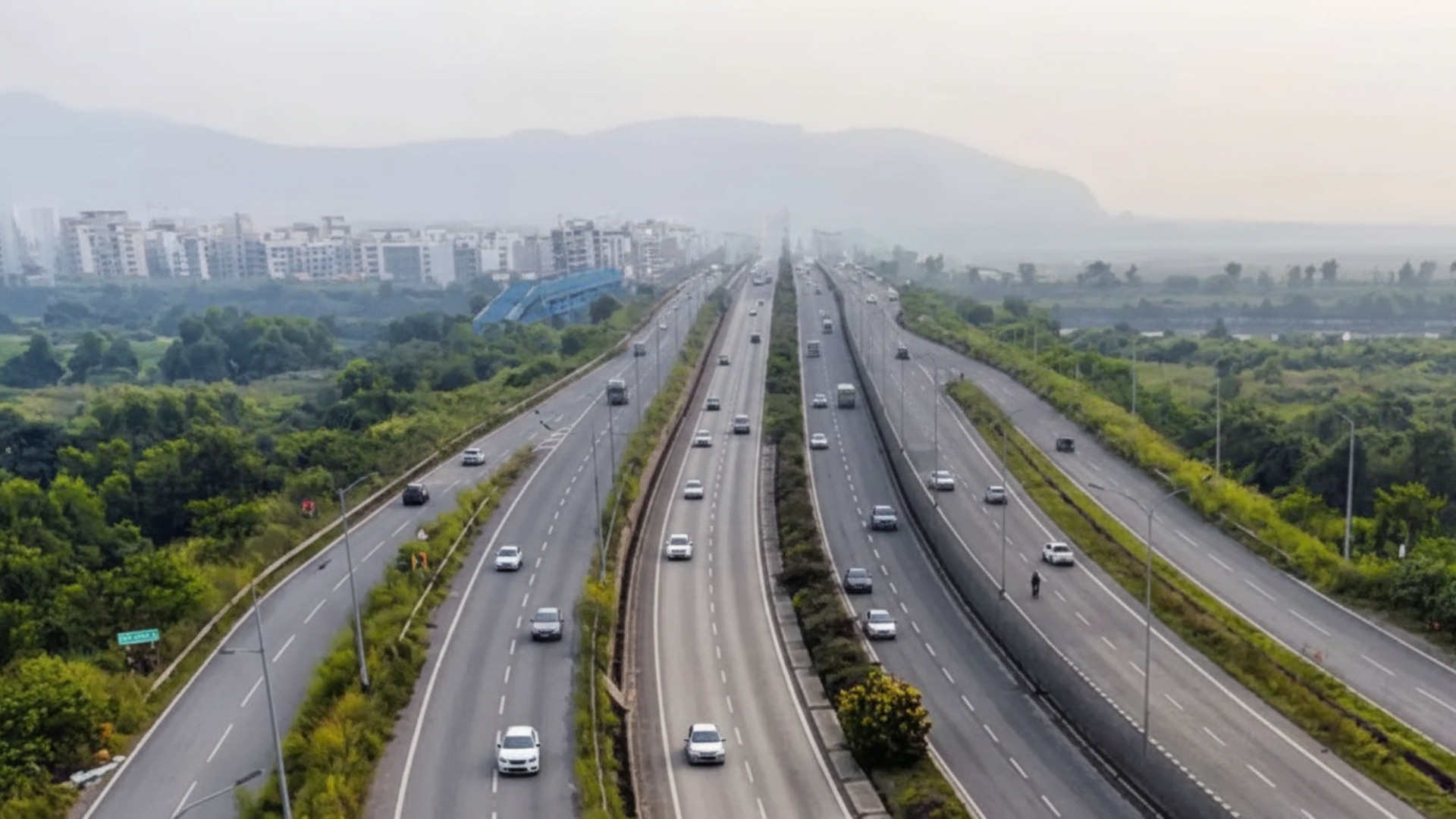
India’s experience with Public–Private Partnerships (PPPs) demonstrates their transformative potential when properly structured. During the infrastructure expansion of the 2000s, PPPs played a decisive role in highways, power, ports, and airports.
Private investment accounted for nearly 37% of total infrastructure spending during the Eleventh Plan (2007–12). Between 2009 and 2013, almost 60% of new National Highways, covering over 6,300 km, were built under PPPs on the built-operate-transfer (BOT) toll model.
This phase established PPPs as a central mechanism for leveraging private capital, technical expertise, and efficiency in public infrastructure delivery.
The early success of PPPs shows that structured partnerships can supplement public resources and accelerate asset creation. Ignoring this lesson risks underutilising private capital in meeting infrastructure demands.
2. Slowdown and Structural Weaknesses in PPP Framework
By the mid-2010s, the PPP momentum weakened significantly. Many projects slowed, became financially distressed, or defaulted due to flawed risk allocation and governance gaps.
Developers faced delays in land acquisition and clearances, weak traffic growth, high leverage, rising costs, and aggressive bidding based on unrealistic toll assumptions. Contracts were treated as rigid, with no formal renegotiation framework, rendering even viable projects stranded.
“Inefficient and inequitable allocation of risk ... can be a major factor in PPP failures.” — Kelkar Committee (2015)
Excessive transfer of land, regulatory, and demand risks to private entities undermined project sustainability. As a result, investor confidence declined sharply.
When risk allocation is misaligned and contracts lack flexibility, PPPs shift from partnership to adversarial arrangements. Without structural correction, private participation will remain cautious.
3. Decline in Private Participation and Fiscal Imperatives
Infrastructure remains central to India’s growth strategy. However, private participation has declined from earlier highs to about 20–22% in recent years (Economic Survey 2024).
Public finances are constrained. States and cities face fiscal stress, while infrastructure needs in transport, urban development, logistics, water, sanitation, and power continue to expand. In this context, PPPs are not optional but necessary.
If private investment does not revive, infrastructure ambitions may remain aspirational rather than achievable.
Given finite public resources, infrastructure expansion requires risk-sharing and capital mobilisation beyond the budget. Without PPP revival, fiscal pressures could limit growth and service delivery.
4. Current PPP Pipeline and Sectoral Spread
The government has announced a three-year PPP pipeline comprising 852 projects worth ₹17 trillion.
Project Distribution:
- 232 central projects worth ₹13.15 trillion
- 620 state and UT projects accounting for the remaining value
- Highways dominate, with the Ministry of Road Transport and Highways planning 108 projects worth ₹8.77 trillion
Major projects are also planned in power, water, ports, airports, railways, and urban infrastructure. States such as Andhra Pradesh, Tamil Nadu, and Uttar Pradesh have proposed numerous PPP initiatives.
However, large pipelines require robust institutional structuring, credible risk-sharing, and bankable revenue models to translate announcements into execution.
Pipeline announcements signal intent, but without reform of contract design and governance capacity, projects may face execution bottlenecks similar to past cycles.
5. Reform Agenda for Credible PPP Revival
A sustainable revival of PPPs requires structural reforms addressing earlier failures.
Core Reform Areas:
- Realistic risk allocation: Government retains land, policy, and clearance risks; private sector manages construction and operations.
- Built-in renegotiation frameworks: Predefined triggers with transparency and independent oversight.
- Stronger PPP institutions: Revitalised Infrastructure Finance Secretariat or 3P India for capacity building.
- Streamlined appraisal: Single-window clearance, value-for-money tests, integration with PM Gati Shakti.
- Financial backstops: Viability gap funding, infrastructure risk-guarantee funds, credit enhancement via National Bank for Infrastructure Development.
- Regulatory certainty: Stable tariffs, independent regulators, fast-track dispute resolution.
- Empowering states and cities: Strengthened PPP cells and reform-linked incentives.
- Active investor engagement: Transparency and confidence-building.
- Expansion into new sectors: Urban transport, water, waste, health, education, tourism, energy transition.
These reforms collectively aim to rebalance risk, restore trust, and reduce transaction uncertainty.
PPP revival depends less on announcing projects and more on credible contract architecture. Without institutional and regulatory certainty, private capital will remain risk-averse.
6. Linkages with Urban Finance and Capital Markets
Recent initiatives such as the Urban Challenge Fund (financing up to 25% of project costs) and “City Economic Regions” backed by ₹5,000 crore each over five years depend on effective PPP structuring.
The push for municipal bonds, including:
- ₹100 crore incentive for issuances exceeding ₹1,000 crore
- AMRUT-linked support for issuances up to ₹200 crore
signals intent to deepen urban capital markets.
Municipal bonds function best when backed by predictable cash flows, often generated through PPP-based service delivery models such as user charges, annuities, or availability payments.
Capital market deepening and PPP structuring are interlinked. Without stable revenue streams and credible contracts, municipal borrowing and private participation may remain limited.
7. From Asset Creation to Lifecycle Efficiency
India’s infrastructure challenge has evolved from mere asset creation to ensuring lifecycle efficiency, risk management, operations and maintenance, and service quality.
Earlier PPP failures stemmed not from the concept itself but from weaknesses in design, optimistic projections, delayed clearances, inappropriate risk transfer, and rigid contracts.
The strategic shift must therefore focus on governance reforms rather than retreating from partnerships.
Infrastructure sustainability depends on lifecycle management and institutional trust. If contracts lack flexibility and credibility, long-term service delivery suffers.
Conclusion
India’s growth trajectory and fiscal constraints make PPPs indispensable to infrastructure development. While past experiences revealed significant structural flaws, they also provided valuable lessons on risk allocation, institutional capacity, and contract design.
Reviving PPPs requires credible contracts, balanced risk sharing, regulatory certainty, and empowered institutions. If these reforms are implemented decisively, PPPs can once again become a central pillar of India’s infrastructure strategy, supporting sustainable and inclusive development in the journey toward a “Viksit Bharat.”