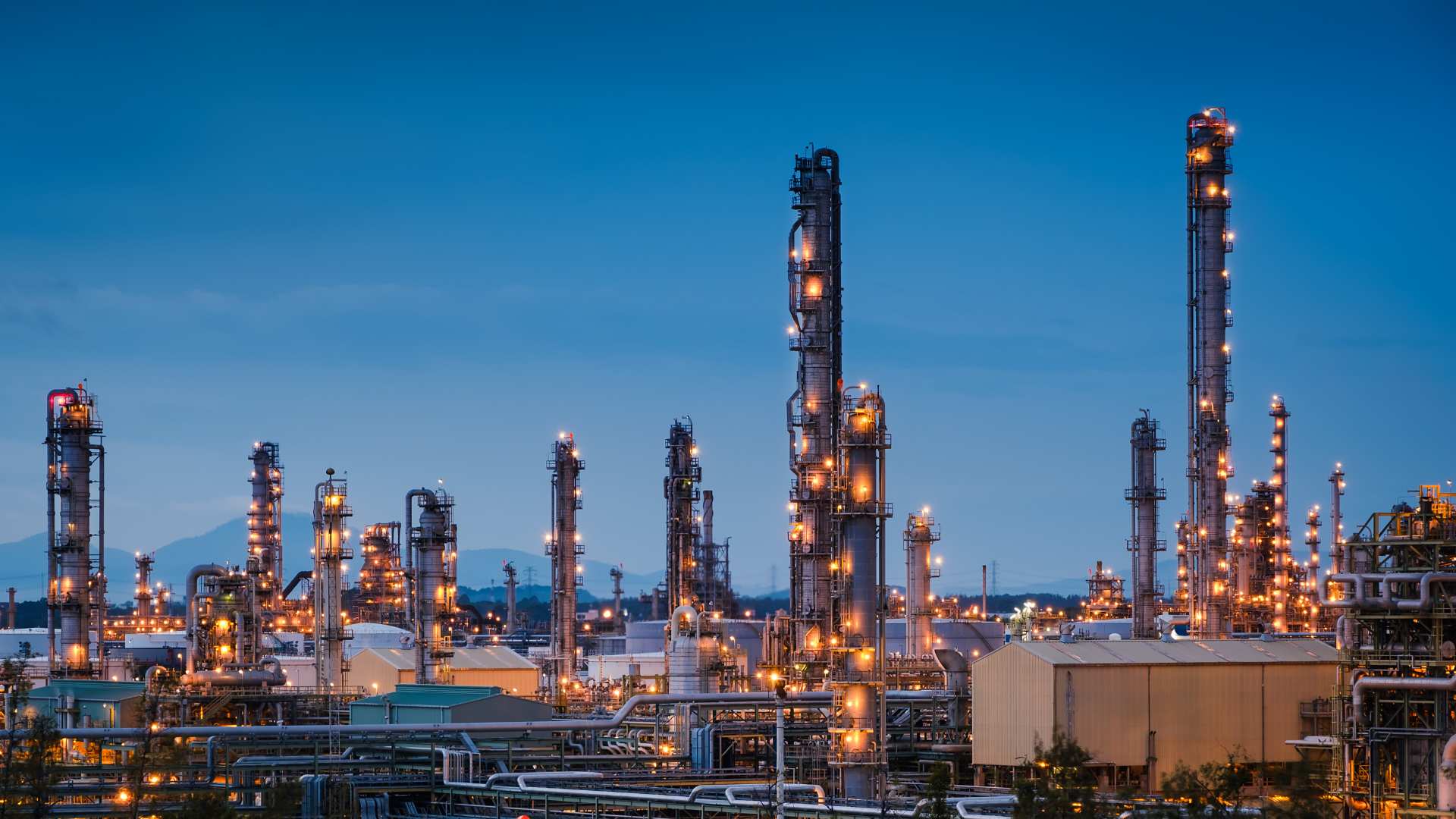
Industrial Heat, Energy Security and Decarbonisation in India

As India's reliance on imported gas heightens, the urgency for electrifying industrial heat becomes critical for achieving thermal independence.
S
Surya
5 mins read
Energy security is not just electricity; India now needs ‘thermal sovereignty’ for its industries.

Introduction

India’s industries depend heavily on imported fossil fuels (especially gas) to generate industrial heat, making them vulnerable to global conflicts like those in West Asia. India must shift towards clean heat technologies such as concentrated solar thermal (CST), induction heating, and hybrid systems to reduce energy risks and emissions. However, grid limitations, storage challenges, and lack of policy support make this transition difficult, highlighting the need for a National Thermal Policy for industrial heat.

When geopolitical tensions rise in West Asia, their impact is felt far beyond the battlefield. In India’s industrial hubs such as Morbi (Gujarat) and Ludhiana (Punjab), factories have slowed down or halted operations due to disruptions in natural gas supply caused by instability around the Strait of Hormuz — the world’s most critical oil and gas transit route.

India imports a significant share of its energy from this region. When supply becomes uncertain, industries dependent on fossil fuels face immediate production challenges. This situation highlights a deeper structural issue: India needs not only energy independence but also “thermal independence” — a reliable domestic source of industrial heat.

As energy expert Amory Lovins famously remarked:

“Energy security is not just about how much energy you produce, but how resilient your system is.”

The present crisis therefore highlights the urgent need for clean, reliable and domestically available industrial heat technologies.


Importance of Industrial Heat in the Economy

Industrial heat is essential for manufacturing processes across sectors.

SectorTypical Industrial Heat ApplicationTemperature Range
TextilesDyeing, bleaching, finishing100–180 °C
CeramicsTile and brick firingUp to 1,000 °C
Food processingPasteurisation, drying80–200 °C
ChemicalsDistillation and reactionsVariable

Industrial heat accounts for around 25% of India’s total energy consumption, making it one of the largest energy demands in the economy.


Current Dependence on Fossil Fuels

Traditionally, industrial heat has been generated by burning fossil fuels such as coal and natural gas.

Energy SourceIndustrial Usage
Natural gasBoilers and kilns
CoalHigh-temperature furnaces
LPGSmall industrial heating systems

These systems operate through a combustion process where fuel is burned to produce heat, which is then transferred to industrial processes.

However, this process is inefficient.

Gas boilers can lose 20–30% of energy through exhaust heat, increasing energy costs and emissions.


Geopolitical Risks to Energy Supply

India imports nearly half of its natural gas requirements. Much of this supply travels through the Strait of Hormuz, a narrow maritime chokepoint connecting the Persian Gulf to global markets.

IndicatorSignificance
Global oil transported via Strait of Hormuz~20%
India's dependence on imported gas~50%
Industrial clusters affectedMorbi ceramics, Ludhiana textiles

Any disruption in this region can lead to price shocks and supply shortages, directly affecting domestic manufacturing.


Emerging Solutions for Industrial Heat

To reduce dependence on fossil fuels, industries are exploring clean heat technologies.

1. Concentrated Solar Thermal (CST)

Concentrated Solar Thermal systems use mirrors to focus sunlight onto a receiver, producing high-temperature heat.

FeatureCST Technology
Heat sourceConcentrated sunlight
Maximum temperatureUp to 400 °C
Typical useSteam generation for industrial processes

Unlike solar photovoltaic systems that generate electricity, CST generates direct thermal energy.

India’s CST potential is estimated at about 6.4 GW according to the Ministry of New and Renewable Energy.


2. Electromagnetic Heating

Electric heating technologies replace fuel combustion with electromagnetic processes.

Induction Heating

Induction systems generate heat directly inside the material being processed.

FeatureInduction Heating
Heat generationMagnetic field induced current
EfficiencyUp to 90%
Use casesMetal processing, industrial furnaces

Because heat is generated directly in the material, there is minimal energy loss.


3. Plasma Heating

Plasma torches produce extremely high temperatures by ionising gas.

FeaturePlasma Technology
Temperature rangeExtremely high temperatures
Precision controlHighly adjustable heat levels
Industrial useCeramics, metallurgy

Plasma can reach temperatures greater than those on the surface of the sun, enabling precise high-temperature industrial processes.


Infrastructure Challenges for Electrification

Despite the promise of electrified heat technologies, several structural barriers exist.

Power Grid Capacity

Industrial clusters often operate 24-hour production cycles, while renewable energy sources such as solar and wind are intermittent.

IssueImplication
Intermittent renewable energyNeed for energy storage
High electricity demandGrid stress
Ageing distribution networksTransformer overload risk

Industrial clusters such as Ludhiana already experience transformer loads approaching critical levels during peak demand.


Importance of Energy Storage

To electrify industrial heat successfully, large-scale energy storage systems are necessary.

Storage TechnologyRole
Battery storageBalances renewable energy supply
Pumped hydro storageLarge-scale grid storage
Thermal storageStores heat directly for later use

Thermal storage systems can store heat in insulated tanks, enabling factories to operate even after sunset.

Importantly, thermal storage is significantly cheaper than lithium-ion battery storage.


International Examples of Solar Heat Adoption

Several countries have successfully integrated solar thermal energy into industrial operations.

CountryProjectOutcome
OmanMiraah Solar ProjectReduced gas consumption by ~80%
SpainSolar Heat for Industrial ProcessesContainerised solar thermal systems
DenmarkHeat purchase agreementsExternal providers supply industrial heat

These models demonstrate that solar thermal systems can complement existing fossil fuel infrastructure rather than replace it entirely.


Hybrid Industrial Heat Systems

One practical solution is the use of hybrid heat systems combining multiple technologies.

ComponentRole
CST systemDaytime heat generation
Gas backupPeak demand and night operations
Induction heatingPrecision industrial processes

Hybrid systems allow industries to transition gradually toward clean energy without abandoning existing equipment.


Need for a National Thermal Policy

India’s current energy policy focuses heavily on electricity generation, particularly solar photovoltaic power. However, industrial heat requires a different approach.

A National Thermal Policy could promote:

  • incentives for solar thermal technologies
  • manufacturing support for CST components
  • carbon market reforms enabling industries to monetise emission reductions

India’s emerging Carbon Credit Trading Scheme could help industries recover investment costs for clean heat technologies.


Comparison: Solar PV vs Solar Thermal

FeatureSolar PVSolar Thermal
OutputElectricityHeat
Main applicationPower generationIndustrial heating
Storage methodBatteriesThermal storage

Both technologies complement each other but serve different energy needs.


Conclusion

The recent energy disruptions linked to geopolitical conflicts highlight the vulnerability of India’s industrial energy system. Heavy dependence on imported fossil fuels exposes manufacturing sectors to price shocks and supply risks.

Developing clean, domestic sources of industrial heat through technologies such as solar thermal systems, induction heating and hybrid solutions can strengthen India’s energy security while advancing decarbonisation goals.

As the International Energy Agency observes:

“Decarbonising industrial heat is one of the most critical steps toward a sustainable energy future.”

For India, achieving thermal independence may become as important as achieving energy independence in the decades ahead.

Quick Q&A

Everything you need to know

Industrial heat electrification refers to the process of replacing traditional fossil-fuel-based heating systems in industries with electric or renewable-based heating technologies. Historically, industries such as textiles, ceramics, chemicals, and food processing have relied heavily on burning hydrocarbons like coal, natural gas, and oil to generate heat for manufacturing processes. For example, ceramic tile factories in Morbi use gas-fired kilns reaching temperatures above 1,000 °C, while textile mills in Ludhiana use gas boilers to produce steam for dyeing and finishing processes.

However, growing concerns about energy security, climate change, and volatile global fuel prices have pushed industries to explore alternative heating technologies. Electrification technologies such as induction heating, resistance heating, and plasma torches offer higher efficiency and lower emissions. Unlike traditional boilers where heat is transferred through air or steam—resulting in energy losses of 20–30%—electric heating can directly generate heat inside the material being processed, achieving efficiency rates of over 90%.

Industrial heat electrification is increasingly relevant for India due to several reasons:

  • Energy security: India imports a large portion of its natural gas, making industries vulnerable to geopolitical disruptions.
  • Decarbonisation goals: Electrification helps reduce greenhouse gas emissions and supports India's climate commitments under the Paris Agreement.
  • Technological efficiency: Electric heating technologies often deliver higher precision and energy efficiency.
  • Long-term cost stability: Renewable electricity may provide more predictable pricing compared to fossil fuels.

The current geopolitical tensions in West Asia, which have disrupted gas supplies through the Strait of Hormuz, highlight the vulnerability of industries dependent on imported fuels. Consequently, electrifying industrial heat is emerging as a key strategy for achieving thermal independence and sustainable industrial growth in India.

The geopolitical tensions between the United States and Iran have intensified risks around the Strait of Hormuz, one of the world’s most critical energy shipping routes. A significant portion of global oil and natural gas passes through this narrow maritime corridor. India, which imports nearly half of its natural gas, is particularly vulnerable to disruptions in this supply chain. When tensions escalate in this region, global energy prices surge and supply becomes uncertain, directly affecting energy-dependent industries in India.

The recent crisis forced the Ministry of Petroleum and Natural Gas to reduce gas allocations to non-priority sectors, supplying only 65–80% of contracted volumes to industries. This decision severely affected industrial clusters such as Morbi in Gujarat and Ludhiana in Punjab, where manufacturing operations rely heavily on gas-fired systems. As a result, many ceramic and textile units were forced to reduce production or temporarily shut down operations, highlighting how geopolitical developments can disrupt domestic industrial activity.

The crisis reveals several structural vulnerabilities in India’s energy system:

  • Dependence on imported fossil fuels for industrial heat and power.
  • Exposure to geopolitical risks in energy transit routes such as the Strait of Hormuz.
  • Lack of diversified thermal energy sources for manufacturing industries.
  • Insufficient infrastructure for renewable-based industrial heat.

This situation underscores the importance of moving beyond conventional notions of energy independence toward “thermal independence”—the ability to generate industrial heat domestically through renewable or electric technologies. By investing in solar thermal systems, electrified heating, and local energy storage, India can reduce vulnerability to global geopolitical shocks while strengthening the resilience of its manufacturing sector.

Concentrated Solar Thermal (CST) technology is an innovative renewable energy solution that directly converts sunlight into heat for industrial applications. Unlike solar photovoltaic (PV) systems that produce electricity, CST systems use mirrors or lenses to concentrate sunlight onto a receiver. The concentrated solar energy heats a working fluid—such as water, oil, or molten salt—which can then generate steam or high-temperature heat for industrial processes.

This technology is particularly suitable for industries that require medium-temperature heat between 100 °C and 400 °C, such as textiles, food processing, chemicals, and pharmaceuticals. For instance, textile factories in Ludhiana require steam for processes like scouring, bleaching, and dyeing, which typically operate within this temperature range. CST systems using parabolic trough mirrors can generate pressurised steam directly from sunlight, reducing reliance on gas-fired boilers.

The advantages of CST for industrial applications include:

  • Direct generation of thermal energy without converting it into electricity.
  • Lower operational emissions compared to fossil-fuel-based boilers.
  • Reduced dependence on imported fuels.
  • Thermal storage capability, allowing heat to be stored in insulated tanks for use at night.

India has an estimated CST potential of about 6.4 GW, according to the Ministry of New and Renewable Energy. However, adoption remains limited due to high initial investment costs and limited policy incentives. With rising gas prices and geopolitical uncertainties, the payback period for CST installations is shrinking, making it an increasingly attractive option for industries seeking sustainable and reliable sources of industrial heat.

The transition to electrified industrial heat presents both significant opportunities and substantial challenges for India’s manufacturing sector. On the positive side, electrification can dramatically improve energy efficiency and reduce carbon emissions. Technologies such as induction heating and plasma torches allow heat to be generated directly within the material being processed, minimizing energy losses. This makes electrified heating systems far more efficient than traditional combustion-based methods.

Electrification also aligns with India’s long-term climate and industrial policy objectives. By replacing fossil fuels with renewable electricity, industries can reduce their carbon footprint and comply with emerging global environmental standards. This is particularly important for export-oriented sectors such as textiles and ceramics, which face increasing pressure from international markets to adopt low-carbon production methods.

However, several challenges complicate the transition:

  • Grid capacity constraints: Industrial heat currently accounts for about 25% of India’s total energy consumption.
  • Intermittency of renewable energy: Solar and wind power are not available continuously.
  • Limited energy storage infrastructure such as battery systems and pumped hydro storage.
  • Ageing distribution networks in industrial clusters that may not support high electrical loads.

For example, distribution transformers in clusters like Ludhiana are already heavily loaded during peak hours. Electrifying industrial heat would require substantial investments in grid upgrades, substations, and transmission infrastructure. Therefore, while electrification offers a pathway to cleaner industrial production, its success depends on parallel investments in energy storage, grid modernization, and renewable power capacity.

Thermal independence refers to the ability of a country to generate the heat required for industrial processes using domestically available and sustainable energy sources rather than relying on imported fuels. Traditionally, discussions around energy security have focused primarily on electricity generation or oil imports. However, industrial heat—used in manufacturing processes such as smelting, chemical processing, and textile production—constitutes a significant portion of total energy consumption.

In India, industrial heat accounts for approximately one-quarter of the country’s total energy demand. Much of this demand is currently met by fossil fuels such as natural gas and coal, a significant portion of which is imported. The recent disruption in gas supplies due to geopolitical tensions in West Asia illustrates how vulnerable industries are to external shocks in global energy markets.

Thermal independence is important for several strategic reasons:

  • Energy security: Reducing dependence on imported fuels.
  • Industrial resilience: Ensuring continuous manufacturing even during global energy crises.
  • Environmental sustainability: Promoting renewable-based heat technologies.
  • Economic stability: Protecting industries from volatile fossil fuel prices.

Achieving thermal independence will require large-scale adoption of technologies such as concentrated solar thermal systems, electrified heating, biomass boilers, and thermal storage. By diversifying heat sources and investing in domestic energy infrastructure, India can strengthen its industrial competitiveness while advancing its climate commitments.

Several countries have successfully integrated renewable heat technologies into industrial processes, providing valuable lessons for India. One notable example is the Miraah project in Oman, one of the world’s largest concentrated solar thermal plants used for industrial operations. In this project, solar energy generates steam during the day, significantly reducing the need for natural gas in oil extraction processes. Reports indicate that the project has reduced gas consumption by nearly 80%, demonstrating how solar thermal energy can complement conventional energy sources.

Another example comes from Spain’s Solar Heat for Industrial Processes (SHIP) initiative. Companies like Solatom have developed containerised solar thermal units that can be installed directly on factory rooftops or nearby land. These plug-and-play systems connect to existing steam networks, allowing factories to adopt solar heat without large-scale infrastructure changes. Such modular technologies significantly lower the barriers to adoption.

Denmark offers a policy-driven example of innovation:

  • Introduction of heat purchase agreements where industries buy heat instead of owning heating infrastructure.
  • Government investment in large-scale thermal storage systems.
  • Support for renewable heating companies that install and maintain heat systems.

These international examples demonstrate that technological innovation must be complemented by supportive policies and financial incentives. For India, similar measures—such as subsidies for concentrated solar thermal systems, support for thermal storage infrastructure, and innovative financing models—could accelerate the transition toward sustainable industrial heat systems.

A comprehensive National Thermal Policy would aim to transform how India generates and uses industrial heat while improving energy security and reducing carbon emissions. The policy should begin by recognizing industrial heat as a critical component of the energy system, accounting for a significant share of energy consumption in sectors such as steel, cement, textiles, and ceramics.

One key element would be the creation of financial incentives to encourage adoption of renewable heat technologies. Currently, government subsidies heavily favor electricity generation, particularly solar photovoltaics. Extending benefits such as accelerated depreciation, production-linked incentives (PLI), and concessional financing to concentrated solar thermal manufacturers and electric heating technologies would reduce capital costs for industries.

The policy should also include structural reforms such as:

  • Grid modernization: Strengthening transmission and distribution networks in industrial clusters.
  • Thermal storage infrastructure: Supporting development of heat storage systems that can store energy for extended periods.
  • Carbon market reforms: Allowing industries to monetize avoided emissions through carbon credit trading.
  • Hybrid energy systems: Encouraging combinations of solar thermal, electric heating, and backup gas systems.

For instance, factories in Morbi could install CST systems for daytime heat generation while using induction heating for precision processes and gas systems as backup. Such hybrid models reduce emissions without requiring immediate replacement of existing infrastructure. A well-designed National Thermal Policy would therefore help India achieve industrial resilience, climate commitments, and long-term energy security simultaneously.

Attribution

Original content sources and authors

Sign in to track your reading progress

Comments (0)

Please sign in to comment

No comments yet. Be the first to comment!