
1. Context: India’s Changing Crude Oil Import Profile
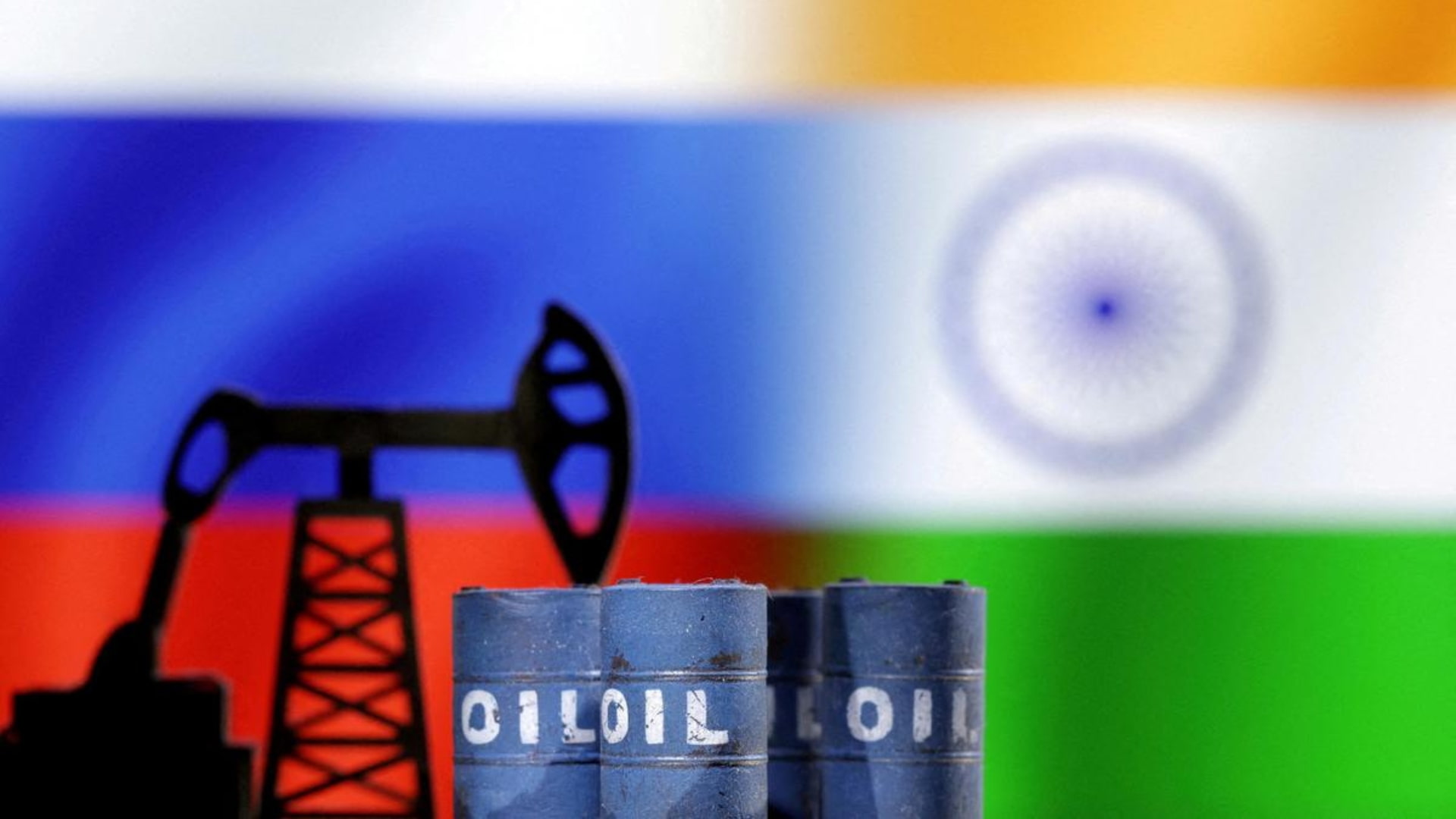
India’s crude oil import pattern has undergone a notable shift, with Russia emerging as the single largest supplier in November 2025. Russian oil accounted for 35.1% of India’s total oil imports by volume, marking a six-month high and underscoring India’s pragmatic approach to energy security amid global disruptions.
At the same time, India has also significantly increased crude oil purchases from the United States. U.S. oil imports touched a seven-month high, accounting for 12.6% of India’s total oil imports in November 2025. Together, Russia and the U.S. supplied nearly 50% of India’s crude oil needs that month.
This dual trend highlights India’s attempt to balance affordability, diversification, and geopolitical considerations. For a country importing over 85% of its crude oil, such shifts directly affect inflation, fiscal stability, and strategic autonomy. Ignoring these dynamics risks exposing India to external supply shocks and coercive trade measures.
Governance logic: Energy-import dependence requires continuous diversification and cost optimisation. If ignored, India risks macroeconomic instability and erosion of strategic autonomy in foreign policy decision-making.
2. Rising Russian Oil Imports: Economic Rationale and Trends
India imported 7.7 million tonnes of crude oil from Russia in November 2025, nearly 7% higher than November 2024 and the highest since May 2025. In value terms, imports stood at $3.7 billion, constituting 34% of India’s total oil import bill for the month.
Discounted Russian crude, redirected due to Western sanctions following the Ukraine conflict, has provided India with a cost advantage. This has helped cushion domestic fuel prices and manage the current account deficit, particularly during periods of global price volatility.
However, the increasing share of a single supplier raises concerns about over-dependence and geopolitical exposure. If such concentration persists without diversification, India could face supply or diplomatic risks during future crises.
Key statistics:
- Russian share in oil imports: 35.1%
- Volume imported: 7.7 million tonnes
- Import value: $3.7 billion
- Highest level since: May 2025
Governance logic: Access to affordable energy supports growth and welfare, but excessive dependence on one supplier can undermine resilience. Ignoring diversification imperatives may weaken India’s negotiating position globally.
3. U.S. Tariffs and Trade Frictions: Energy–Trade Linkages
In August 2025, the United States raised tariffs on Indian exports from 25% to 50%, citing India’s continued imports of Russian oil as the trigger. This move linked energy sourcing decisions with broader trade relations, complicating bilateral engagement.
This was despite the fact that in seven of the eight months preceding August 2025, India had reduced Russian oil imports on a year-on-year basis. Indian officials have expressed frustration, noting that India has already submitted its “final offer” on a trade deal, with little reciprocal movement from the U.S. side.
Such trade penalties risk undermining the credibility of rule-based trade and can impose costs on Indian exporters. If unresolved, they may discourage long-term industrial investment and strain strategic partnerships.
"India has already presented its final offer to the U.S. and the negotiators have done what they can." — Senior official, Ministry of Commerce and Industry
Governance logic: Predictable trade relations are essential for export-led growth. If punitive measures persist despite compliance signals, trust deficits may weaken strategic economic partnerships.
4. Balancing Strategic Interests: Increased U.S. Oil Imports
Despite tariff-related tensions, India has increased crude oil imports from the U.S. In November 2025, imports rose to 2.8 million tonnes, valued at $1.4 billion, marking a seven-month high.
The U.S. share in India’s oil imports jumped from 4.2% a month earlier and 5.1% a year earlier to 12.6% in November 2025. This reflects India’s attempt to balance strategic relations with the U.S. while continuing to prioritise energy affordability.
This calibrated approach signals India’s intent to decouple energy security from political alignment while still accommodating partner sensitivities. Failure to maintain this balance could constrain India’s strategic autonomy or escalate trade frictions.
Key statistics:
- U.S. oil imports: 2.8 million tonnes
- Import value: $1.4 billion
- Share in total imports: 12.6%
Governance logic: Strategic partnerships require economic signalling without compromising core interests. Ignoring balance risks either economic costs or diplomatic escalation.
5. Implications for India’s Energy Security and Foreign Policy
India’s simultaneous engagement with Russia and the U.S. reflects a multi-alignment strategy rooted in national interest. Energy security remains the overriding objective, with price stability, supply reliability, and diversification as key pillars.
However, linking energy choices with trade penalties introduces external pressure into domestic economic decision-making. This can set precedents affecting India’s policy autonomy in other strategic sectors such as defence, technology, and critical minerals.
If India fails to institutionalise a clear, transparent energy diplomacy framework, ad-hoc pressures may increasingly influence long-term policy choices.
Key implications:
- Energy affordability supports inflation control and growth
- Trade retaliation can impact exports and employment
- Strategic autonomy faces indirect constraints
Governance logic: Coherent energy diplomacy safeguards autonomy and growth. Ignoring structural frameworks may leave India vulnerable to issue-based coercion.
6. Way Forward: Institutional and Policy Responses
India’s experience underscores the need to integrate energy policy with trade and foreign policy coordination. Diversification across suppliers, payment mechanisms, and long-term contracts can reduce vulnerability to unilateral actions.
At the diplomatic level, separating trade negotiations from energy sourcing decisions through institutional dialogue can reduce friction. Strengthening domestic refining flexibility and strategic petroleum reserves will further enhance resilience.
Policy directions:
- Supplier diversification to avoid concentration risks
- Strengthening strategic petroleum reserves
- Institutionalised energy–trade diplomacy mechanisms
Governance logic: Long-term resilience requires systemic safeguards, not reactive adjustments. Ignoring institutional reforms may perpetuate vulnerability to external shocks.
Conclusion
India’s oil import trends in November 2025 reflect a pragmatic balancing of economic necessity and geopolitical realities. Managing this balance through diversification, institutional coordination, and strategic diplomacy will be critical for sustaining growth, protecting policy autonomy, and ensuring long-term energy security in an increasingly fragmented global order.
.jpeg)
