Introduction
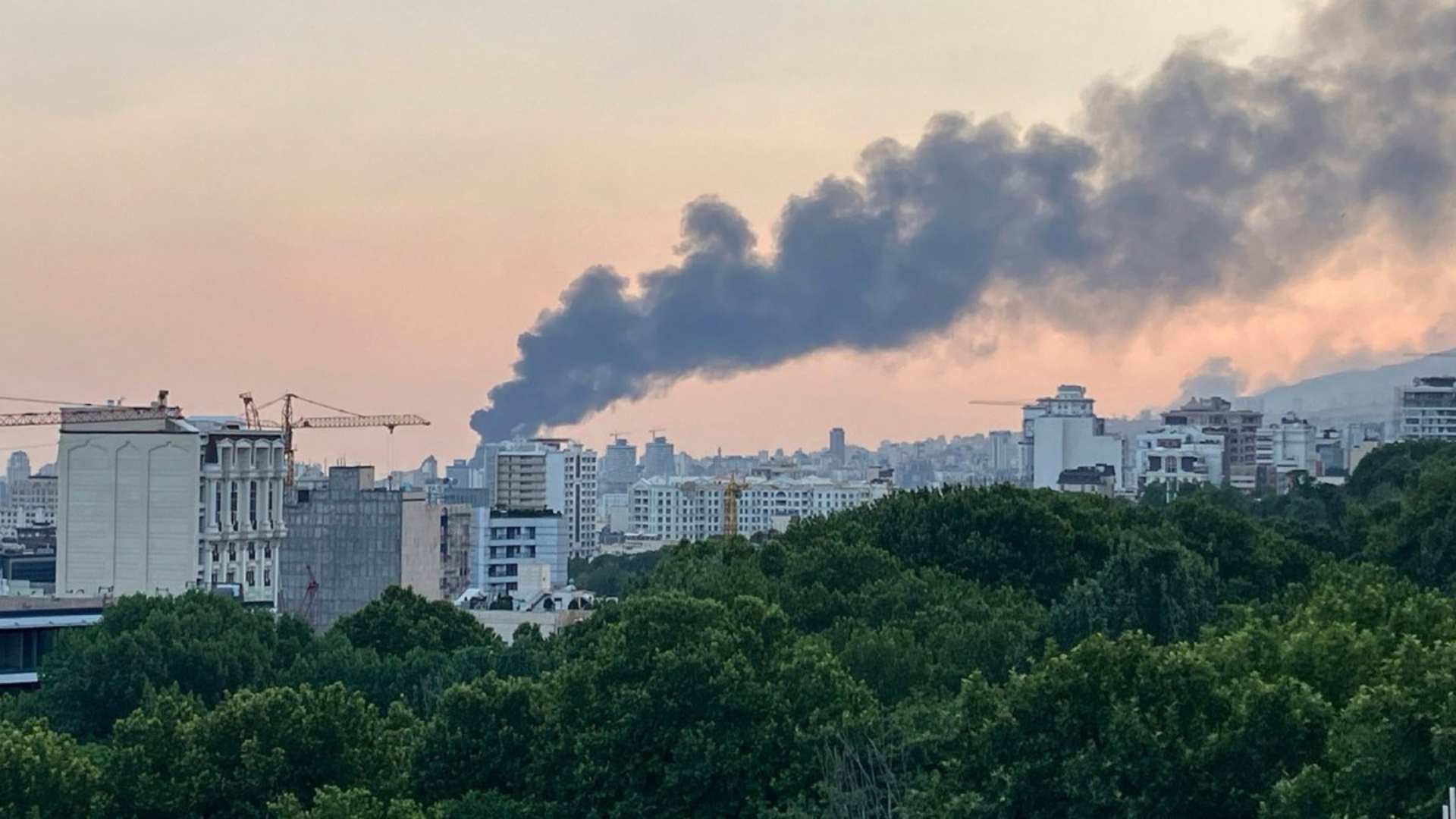
Wars rarely unfold as planned. Russia’s invasion of Ukraine and the US invasion of Iraq both demonstrate how rapid military action can spiral into prolonged instability. The escalating Iran–Israel–US conflict, including strikes on Iran and the killing of its Supreme Leader, threatens to destabilise West Asia — the nerve centre of global energy flows.
For India, which imports nearly 90% of its crude oil, the crisis poses immediate and structural energy security risks.
Extent of India’s Energy Dependence
India’s three-pronged external energy reliance:
1️⃣ Crude Oil
- Imports: ~5.2 million barrels/day
- ~90% dependency
- West Asia share: ~51% (Feb data)
- Russia share fluctuating (20–36%)
2️⃣ LNG (Liquefied Natural Gas)
- Over 50% imported
- ~67% from West Asia
- Limited storage infrastructure
3️⃣ LPG (Politically sensitive fuel)
- Over 66% imported
- 93% of imports from West Asia
- Storage: ~10 days capacity
- 85% used for cooking
This makes LPG the most vulnerable component.
India’s energy basket reflects structural import dependence rooted in limited domestic hydrocarbon reserves and rising consumption driven by industrialization and household demand.
While crude oil and LNG affect macroeconomic stability through inflation and current account pressures, LPG is socially and politically sensitive due to its direct linkage with household cooking energy and limited storage buffer.
Thus, West Asia–centric sourcing creates strategic vulnerability, making diversification, strategic reserves, and renewable transition essential for long-term energy security.*
The Chokepoint: Strait of Hormuz
- ~50% of India’s crude imports pass through Hormuz
- ~54% of LNG routed through it
- 70% drop in vessel traffic reported
- 2.6 million barrels/day for India exposed
If the Strait remains blocked:
- Immediate freight & insurance spike
- Supply bottlenecks
- Surge in crude prices (Brent expected to jump ~$20)
Even with Saudi (East-West pipeline) and UAE bypass routes, 8–10 million barrels/day globally remain exposed.
India’s energy lifeline through the Strait of Hormuz represents a classic maritime chokepoint vulnerability, where geography directly influences economic stability and energy security.
A prolonged disruption would trigger freight and insurance spikes, supply bottlenecks, and a sharp rise in global crude prices, intensifying inflationary and fiscal pressures for an import-dependent economy like India.
Despite limited bypass pipelines of Saudi Arabia and the UAE, substantial global volumes remain exposed, underscoring the need for strategic reserves, diversified sourcing, and accelerated renewable transition.
Economic Impact on India
1️⃣ Higher import bill (already ~$100 billion for 10 months) 2️⃣ Pressure on rupee 3️⃣ Fiscal deficit stress 4️⃣ Inflation risk 5️⃣ Reduced oil marketing company margins 6️⃣ Equity market volatility
Energy inflation feeds directly into WPI and CPI.
India’s Response Options
✔ Diversification
- Russia (Urals, ESPO blends)
- US
- West Africa (Nigeria, Angola)
- Latin America (Brazil, Colombia)
✔ Floating Russian Storage
- 20–24 million barrels in Arabian Sea
- Additional volumes in Pacific & Singapore region
✔ Strategic Petroleum Reserves (SPR)
- Can provide short-term cushioning
✔ Longer Routes
- Cape of Good Hope if Suez disrupted
✔ Payment & Insurance Mechanisms
- Alternative arrangements built post-sanctions
However:
- Freight costs rise
- LNG and LPG storage remains structurally weak
Structural Vulnerabilities
- No large underground LNG storage (unlike China)
- Limited LPG buffer stocks
- High household dependence on LPG
- Hormuz exposure cannot be fully bypassed
Thus, diversification reduces risk but does not eliminate systemic exposure.
Strategic Implications
The crisis highlights:
- Overdependence on a single region
- Importance of energy diplomacy
- Need for accelerated renewable transition
- Strategic petroleum reserve expansion
- Strengthening domestic gas production
Energy security is not just economic — it is geopolitical.
Conclusion
Even if Hormuz closure causes short-term disruption, India’s diversified crude sourcing and Russian linkages provide some resilience. However, prolonged instability would stress fiscal, inflationary, and external balances.
As energy analysts often note:
“Energy security is not about having the cheapest oil, but about having secure and diversified access.”
For India, the present crisis is both a warning and an opportunity — to deepen diversification, expand storage, and accelerate the clean energy transition.