1. 2025 Emissions Moderation: A Temporary Pause, Not a Structural Shift
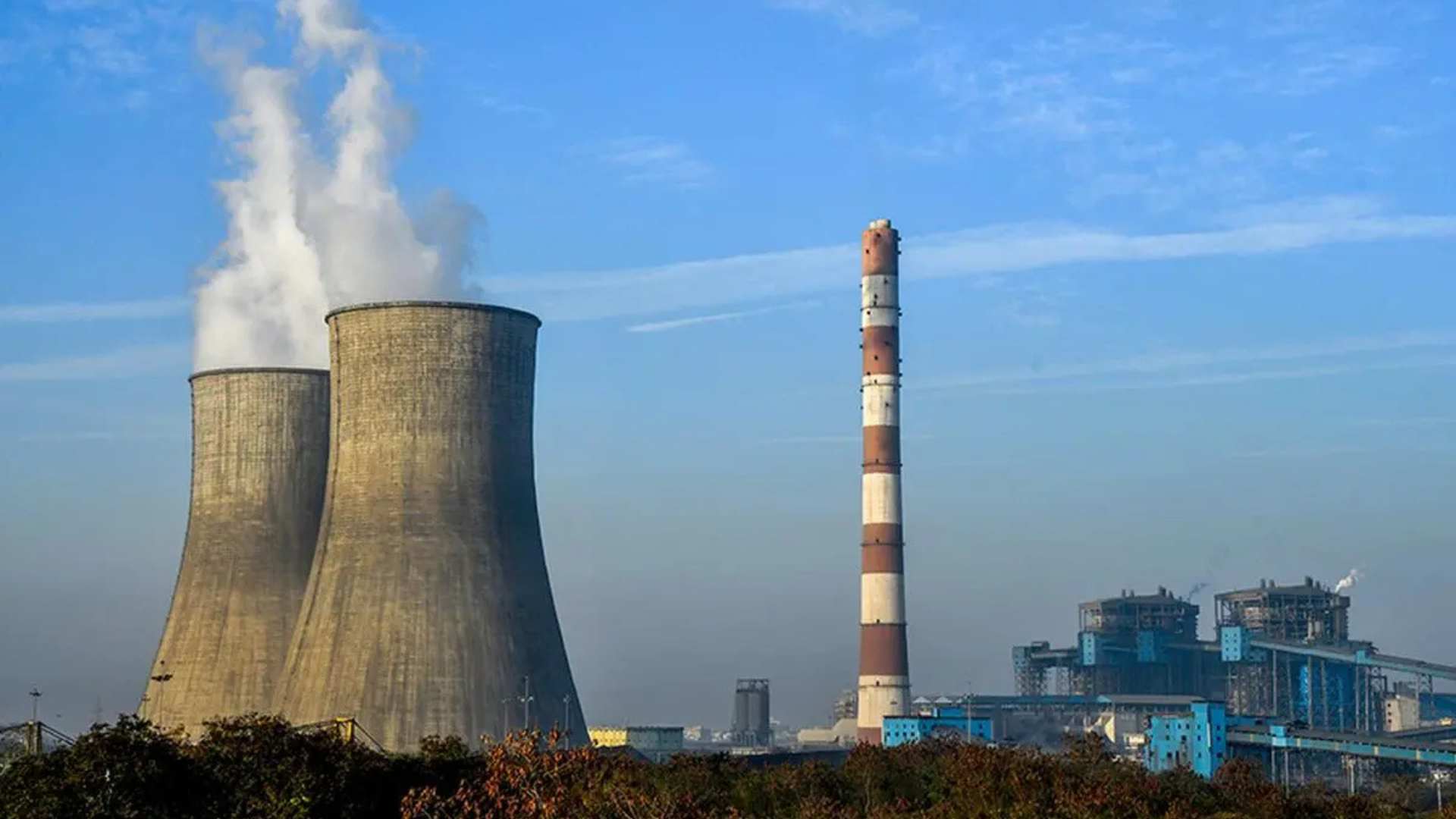
India reduced coal-based power generation in 2025 for the first time in 53 years, leading to a moderation in emissions growth. However, this reduction coincided with slower electricity demand growth and favourable monsoon conditions rather than a fundamental shift away from fossil fuels.
Globally, fossil-fuel carbon emissions are projected to rise by 1.1% in 2025 to a record high (Global Carbon Project). India’s emissions are estimated to have grown by 1.4% year-on-year (Y-o-Y) in 2025, significantly lower than the 4%+ growth in 2024. This indicates moderation, but not absolute decline.
Coal-fired generation in India declined by 3% Y-o-Y to 1,283 billion kilowatt hours (kWh) in 2025 — a sharp reversal from earlier increases of 5% in CY24 and 15% in CY23 (CREA).
“The moderation in emissions seen in 2025 reflects a temporary slowdown rather than a lasting decline.” — Navin Mathur, Asvata
The governance lesson is that short-term emission dips driven by weather or cyclical demand cannot be mistaken for structural decarbonisation. If policymakers assume structural progress without systemic reform, emissions may rebound sharply.
2. Drivers Behind the 2025 Decline: Weather and Demand Dynamics
The moderation in electricity demand growth in FY26 was largely attributed to early and extended monsoons, which reduced cooling demand and agricultural power consumption.
Lower coal usage and higher renewable generation also contributed. However, these factors were cyclical rather than structural. Peak electricity demand in 2025 reached 242 GW on June 12, down 3% Y-o-Y (Grid Controller of India).
Industry projections suggest demand growth will rebound:
- Asvata: 4–6% Y-o-Y demand growth in 2026
- Avaada: 5–7% growth
- ICRA: 5–5.5% growth in FY27
Weather-induced moderation creates a misleading sense of transition progress. Without structural changes in generation mix and storage capacity, economic recovery will automatically raise fossil-based generation.
3. Economic Growth and Emissions: The Development–Decarbonisation Dilemma
India remains one of the fastest-growing major emerging economies. Rising economic activity, urbanisation, EV penetration, data centres, and green hydrogen production are expected to increase electricity demand substantially.
While India is adding renewable capacity, it may not be sufficient to meet rising demand entirely. Coal-based capacity additions increased to 9 GW in 2025, up from 4 GW in 2024 (CREA), signalling continued reliance on thermal power.
“As electricity demand rebounds in 2026, coal will continue to anchor the power system.” — Navin Mathur
Thermal power continues to serve as the baseload and balancing source during peak and low renewable periods.
India faces a structural balancing challenge: sustaining high GDP growth while reducing carbon intensity. If renewable expansion does not outpace incremental demand, coal will fill the gap, raising emissions.
4. Renewable Expansion: Progress with Integration Constraints
The International Energy Agency (IEA) states that India is on track to meet approximately 95% of additional electricity demand growth between 2025 and 2027 through renewables. This reflects strong policy push under India’s clean energy transition commitments.
However, renewables face intermittency constraints. Storage capacity, grid flexibility, and transmission infrastructure remain critical bottlenecks. Industry experts note that while renewables may cover incremental load, thermal generation is still required for grid stability.
“Thermal will still form the base load.” — Sanchit Makhija, Kearney
“But a firm decline in absolute emissions will depend on how much fossil generation is still used to balance increased demand.” — Vineet Mittal, Avaada
Key Challenges:
- Grid flexibility limitations
- Insufficient storage capacity
- Peak demand management
- Renewable intermittency (low wind/low sun periods)
Renewable capacity addition alone does not guarantee emission reduction. Without parallel investment in storage and grid integration, fossil fuels will remain the balancing backbone.
5. India vs China: Diverging Emissions Trends
China’s emissions may have declined by 0.3% in 2025, extending a flat or falling trend since March 2024 (CREA). China added more renewable capacity in one year than the rest of the world combined and now has electric vehicles accounting for over 50% of new vehicle sales, reducing oil demand.
India, by contrast, remains the largest contributor to global oil demand growth. Transport fuel use and thermal generation continue to push emissions upward.
Comparative Insights:
- China’s renewable additions exceed incremental demand.
- India’s renewable growth, though significant, may not fully offset demand growth.
- Structural electrification in transport is faster in China.
The comparison shows that renewable growth must exceed incremental demand to produce absolute emission decline. Without such overcapacity, emissions stabilisation remains difficult.
6. Air Pollution and Public Health: The Local Dimension
Despite lower thermal emissions in 2025, cities such as Delhi recorded severe air pollution episodes, with particulate matter levels reaching 80 times WHO standards.
Higher coal-based generation and transport fuel consumption typically raise carbon dioxide and local pollutant levels. Thus, climate mitigation and air quality management remain interconnected.
This links GS3 (Environment), GS2 (Public Health Governance), and urban policy. Poor air quality increases healthcare burden and productivity losses.
“The greatest threat to our planet is the belief that someone else will save it.” — Robert Swan
If emission control is treated solely as a climate issue and not as a public health imperative, urban pollution crises will persist despite renewable expansion.
7. Thermal Power: Anchoring the Transition
Coal generation fell 3% Y-o-Y in 2025 but remains central to India’s power system. Industry experts argue that thermal capacity must be ramped up to ensure grid reliability during demand spikes.
The rebound in electricity demand, coupled with weather normalisation and economic acceleration, may raise emissions again in 2026.
Structural Reality:
- Coal acts as baseload and firming source.
- Renewable intermittency necessitates backup.
- Peak demand periods stress the system.
An orderly transition requires managing coal dependence rather than abruptly eliminating it. Premature withdrawal without alternatives risks energy insecurity.
Conclusion
India’s 2025 emission moderation reflects cyclical factors rather than structural decarbonisation. As economic growth accelerates and electricity demand rebounds, coal will likely continue to anchor the power system unless renewable integration, storage, and grid flexibility improve rapidly.
The policy challenge is to ensure that renewable expansion consistently exceeds incremental demand growth. Only then can India shift from slowing emissions growth to achieving sustained absolute reductions, aligning development objectives with climate commitments and energy security.