Rooftop Solar Expansion & Electricity Transition in India
1. Rooftop Solar Milestone under PM Surya Ghar Yojana
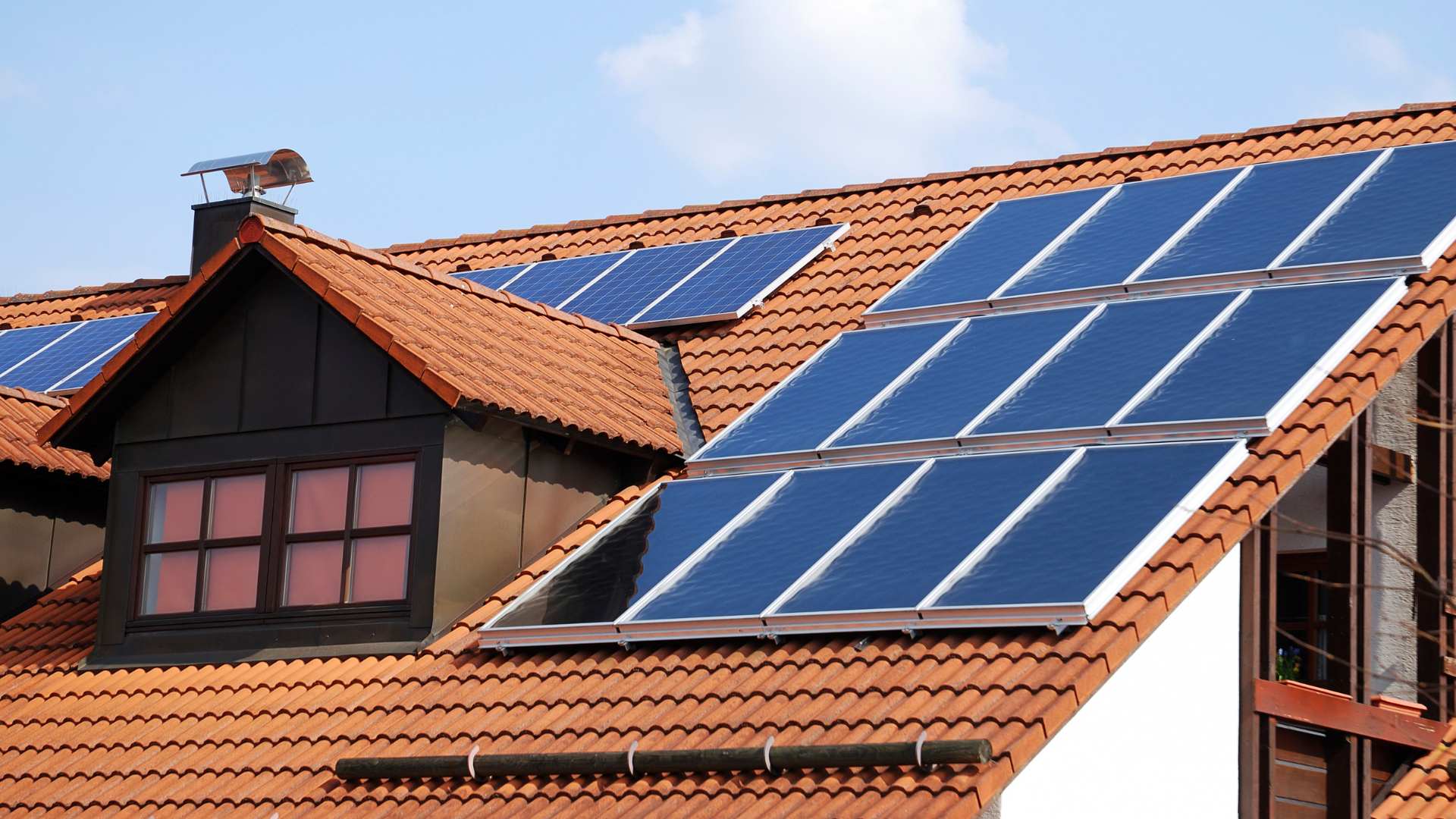
India has crossed 30 lakh rooftop solar installations, marking a significant milestone in its decentralised renewable energy push. The initiative is part of the PM Surya Ghar Muft Bijli Yojana, which aims to install rooftop systems in 1 crore households and achieve 30 GW of rooftop solar capacity.
Currently, these installations generate 9–10 GW of power. This reflects a shift from utility-scale centralised renewable projects to household-level energy participation, directly linking citizens to India’s green transition.
The scheme reduces electricity bills for consumers while enhancing national energy security. Rooftop solar reduces dependence on fossil fuel imports and lowers peak load pressures on distribution companies (discoms).
“From reducing electricity bills to strengthening energy security, this achievement reflects the scale and speed of India’s green transformation.” — Union Minister for New & Renewable Energy
The rooftop solar push operationalises energy democracy—citizens become producers as well as consumers. If this decentralised expansion is not scaled systematically, grid stress, financial inefficiencies, and missed climate targets could follow.
Key Data:
- 30 lakh rooftop installations completed
- Target: 1 crore households
- Target capacity: 30 GW
- Current rooftop generation: 9–10 GW
- Total installed power capacity: 520 GW
- Renewable energy capacity: 263 GW
2. Digitisation & Real-Time Monitoring of Distributed Renewable Energy (DRE)
With rapid growth in Distributed Renewable Energy (DRE), digitisation has become essential. The government has mandated remote monitoring systems under PM Surya Ghar.
Inverters must now have SIM-based machine-to-machine communication, and generation data must be stored on cloud servers located in India. This ensures data sovereignty, operational transparency, and real-time grid management.
Access to real-time generation data enables discoms to manage grid stability, balance supply-demand fluctuations, and reduce curtailment risks.
As renewable penetration increases, intermittency becomes a systemic risk. Without real-time monitoring and digital integration, distributed generation may destabilise grids instead of strengthening them.
Policy Measures:
- Remote monitoring systems mandatory
- SIM-based communication in inverters
- Domestic cloud-based data storage
- Draft regulation to mandate data sharing with discoms
- Cost recovery through Aggregate Revenue Requirement (ARR)
3. Policy Recalibration in a Mature Renewable Sector
Renewable tariffs in India have fallen significantly, prompting calls to revisit legacy policy incentives such as the ISTS (Inter-State Transmission System) waiver and must-run status for renewables.
Earlier, such incentives were essential to scale renewables and attract private investment. However, with cost competitiveness improving, policymakers are reassessing subsidy rationalisation.
This shift reflects the transition from a nascent sector dependent on incentives to a mature industry integrated into mainstream power markets.
Policy inertia in a maturing sector can create inefficiencies and fiscal burdens. However, premature withdrawal of support may disrupt investor confidence and slow momentum.
4. State-Level Electricity Transition Performance (SET 2026 Report)
The Indian States’ Electricity Transition (SET) 2026 report assessed 21 states, covering 95% of India’s power demand, across three dimensions and 18 parameters.
States such as Karnataka, Himachal Pradesh, and Kerala show higher renewable procurement and lower power sector emissions intensity. Delhi and Haryana lead in DRE adoption, reliable power supply, and relatively better discom performance.
Bihar stands out for proactive policies including green tariffs, solar-hour-aligned Time-of-Day (ToD) tariffs, EV adoption, and auctions incorporating energy storage.
Meanwhile, Andhra Pradesh, Uttar Pradesh, and Rajasthan are advancing in green hydrogen and EV adoption.
Electricity transition in India is increasingly state-driven. Without competitive federalism and policy innovation at the state level, national climate targets may face uneven implementation.
Progressive State Measures:
- Green tariff options
- Solar-aligned ToD tariffs
- EV adoption policies
- Energy storage auctions
- Green hydrogen initiatives
5. Implications for Energy Security & Climate Goals
India’s renewable energy capacity now stands at 263 GW out of 520 GW total installed capacity, indicating that renewables constitute roughly half of the installed base.
Rooftop solar enhances energy security by reducing import dependence, lowering transmission losses, and promoting decentralised resilience.
It also aligns with India’s climate commitments under the Paris Agreement and supports long-term decarbonisation of the power sector—critical because electricity underpins industrialisation, EV adoption, and green hydrogen production.
Energy transition is not merely an environmental agenda but a strategic economic imperative. If the power sector fails to decarbonise sustainably, it may constrain industrial growth and raise long-term transition costs.
6. Governance & Institutional Challenges
Despite progress, challenges remain:
- Grid stability with rising intermittent generation
- Financial health of discoms
- Regulatory harmonisation across states
- Data standardisation and cybersecurity
- Policy balancing between incentives and market efficiency
The draft regulation mandating data sharing and enabling ARR-based cost recovery signals institutional strengthening of the electricity governance framework.
Strong institutional mechanisms are essential to manage the complexity of a distributed, digitised, and decarbonised power system. Weak coordination could undermine both fiscal and energy sustainability.
Conclusion
India’s crossing of 30 lakh rooftop solar installations represents a structural shift toward decentralised, citizen-led energy transition. With digitisation, regulatory reforms, and state-level innovation, rooftop solar can significantly contribute to the 30 GW target and strengthen national energy security.
Sustained policy calibration, grid modernisation, and cooperative federalism will determine whether this milestone translates into long-term energy resilience and low-carbon growth.