1. Constitutional Status of Spectrum as a Public Resource
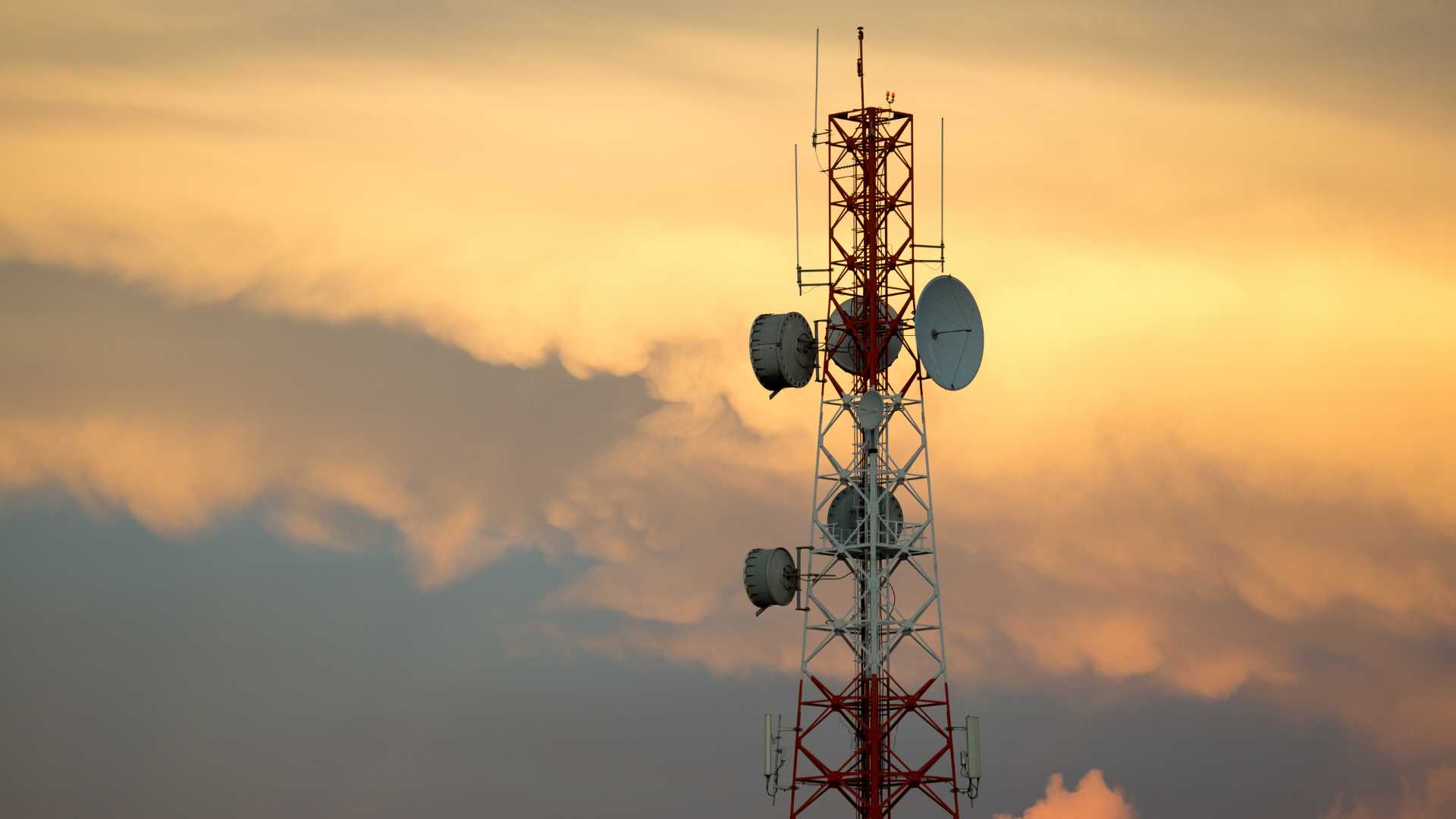
The Supreme Court (February 13, 2026) clarified that telecom spectrum is a scarce and finite natural resource owned by the people of India, with legal title vested exclusively in the Union of India. The Union holds it in trust for the public, reinforcing the public trust doctrine in natural resource governance.
The Court categorically held that telecom service providers (TSPs) do not own spectrum. The grant of spectrum under a licence does not amount to transfer of ownership; it confers only a limited, conditional and revocable privilege to use the resource.
“Licensees acquire no proprietary interest in spectrum.” — Justice P.S. Narasimha
This position strengthens the constitutional principle that natural resources must be allocated and regulated in the larger public interest, not treated as private commercial property.
The governance logic is that public resources cannot be alienated permanently to private entities under the guise of commercial arrangements. If treated as private assets, public control and equitable access would be undermined.
2. Spectrum and the Insolvency and Bankruptcy Code (IBC)
The Court held that spectrum cannot be treated as an “asset” of telecom companies for the purposes of insolvency or liquidation under the Insolvency and Bankruptcy Code (IBC). IBC excludes assets over which a corporate debtor has no ownership rights.
The mere recognition of spectrum licensing rights as an intangible asset in financial statements does not establish ownership. It only reflects control over future economic benefits, not proprietary title.
This ruling arose in the context of insolvency proceedings involving Aircel Limited, Aircel Cellular Limited and Dishnet Wireless Limited, where lenders had extended loans for acquisition of spectrum usage rights.
The reasoning preserves the distinction between regulatory permission and property rights. If spectrum were included in insolvency assets, private creditors could indirectly appropriate public resources, distorting regulatory control.
3. Nature of DoT Dues: Not “Operational Debt”
The Court clarified that licence fees and spectrum usage charges owed to the Department of Telecommunications (DoT) are not “operational debts” under the IBC.
It held that these dues arise from the grant of a sovereign privilege and represent regulatory consideration, not payment for goods or services. The relationship between the Union and the licensee is that of sovereign licensor and licensee, not a commercial creditor-debtor relationship.
Treating such dues as operational debt would allow insolvency proceedings to override statutory and regulatory frameworks governing natural resources.
This interpretation safeguards sovereign authority. If regulatory dues were reduced to commercial claims, insolvency processes could weaken state capacity to enforce compliance and protect public resources.
4. Institutional Boundaries: Telecom Law vs IBC
The Court emphasised that the telecom sector operates under an exclusive statutory regime governed by:
- The Union of India (as owner and trustee of spectrum)
- The Telecom Regulatory Authority of India (TRAI) as sectoral regulator
It held that the IBC cannot make “inroads” into the telecom regulatory framework or restructure rights and liabilities arising from spectrum administration, usage, and transfer.
The judgment noted that Parliament never intended IBC to create disharmony by interfering with sector-specific regulatory regimes.
Clear demarcation between sectoral regulation and insolvency law prevents institutional overlap and legal uncertainty. Ignoring this could create regulatory arbitrage and weaken specialised governance structures.
5. Implications for Telecom Sector and Credit Markets
The judgment has significant implications for lenders, telecom companies, and regulatory authorities.
Impacts on Insolvency:
- Spectrum cannot be sold or transferred as part of liquidation assets.
- Insolvent TSPs cannot use spectrum as collateral in the conventional proprietary sense.
Impacts on Credit Risk:
- Lenders (e.g., SBI and others in the case) may face higher recovery uncertainty.
- Financial institutions must factor regulatory constraints into telecom lending models.
Governance Implications:
- Reinforces public trust doctrine in natural resource allocation.
- Prevents dilution of statutory dues through insolvency restructuring.
This strengthens state oversight but may alter credit assessment norms for infrastructure-heavy sectors dependent on regulatory licences.
The broader policy balance is between financial resolution efficiency and preservation of sovereign control. Excessive financialisation of public resources could distort long-term governance outcomes.
Conclusion
The Supreme Court’s ruling reaffirms that spectrum remains a public resource held in trust by the State and cannot be subsumed under private insolvency processes. By preserving the boundary between sovereign regulatory control and commercial insolvency law, the judgment strengthens institutional coherence in economic governance.
In the long term, such clarity enhances regulatory certainty, protects public resources, and reinforces the constitutional framework governing India’s development trajectory.