
1. Context: U.S. Sanctions Push and India’s Energy Choices
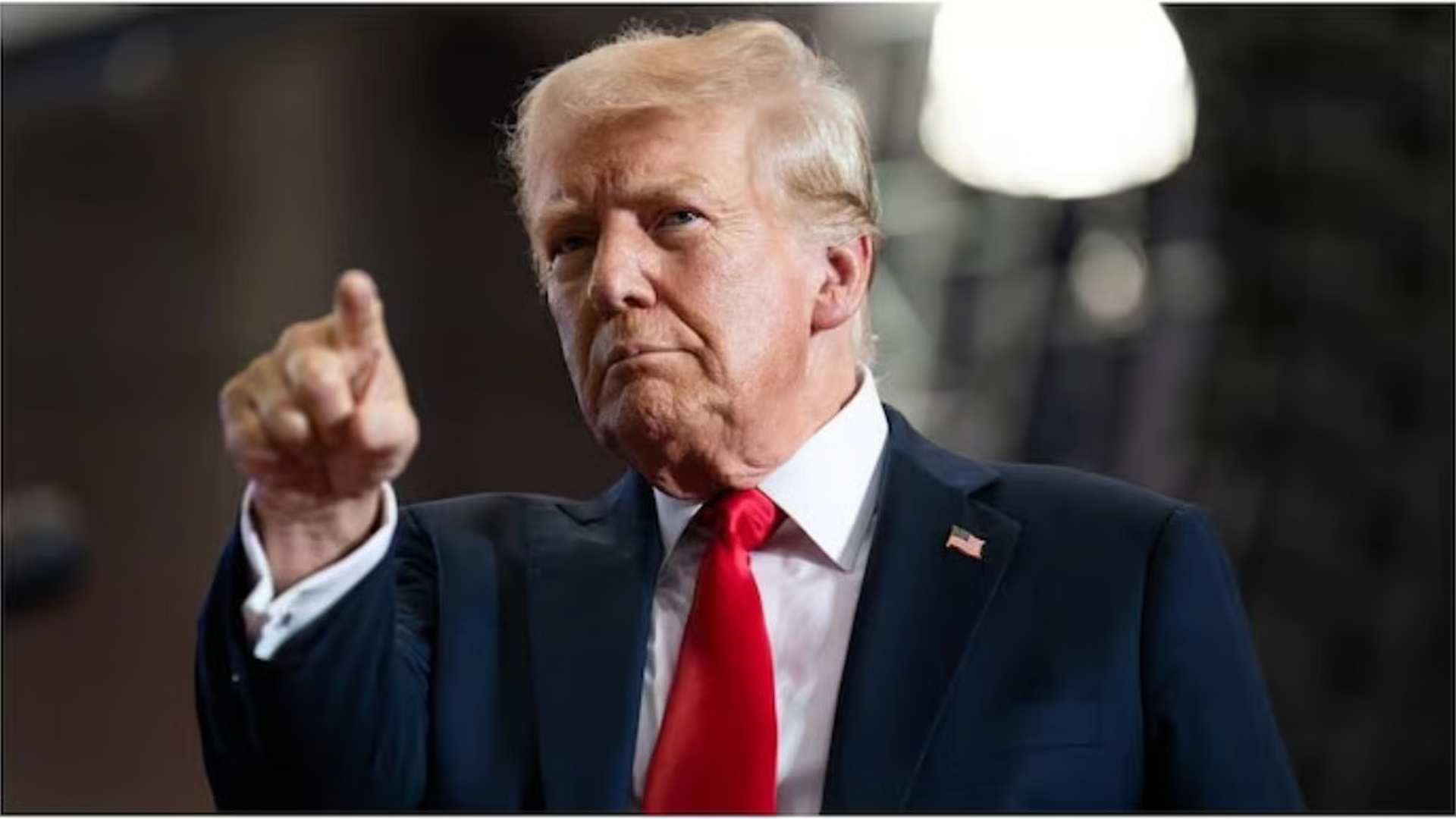
India is facing renewed external pressure on its energy security due to recent decisions by the United States under President Donald Trump. These include backing a Bill proposing up to 500% tariffs on countries importing Russian oil and signalling a tougher enforcement of secondary sanctions.
The move comes at a time when India has relied on discounted Russian crude to manage inflation, fiscal stress, and post-pandemic recovery. Energy imports form a critical component of India’s macroeconomic stability, making external coercive measures directly relevant for governance and development.
Simultaneously, the confirmation and arrival of U.S. Ambassador-designate Sergio Gor with an explicit mandate to push India to halt Russian oil imports indicates a shift from strategic persuasion to direct pressure.
If such external pressure is not managed through calibrated diplomacy, it risks constraining India’s strategic autonomy and undermining its ability to pursue independent economic decisions.
Italicised reasoning:
Energy security is a foundational governance issue. When external sanctions begin to dictate sourcing decisions, domestic economic stability and policy sovereignty are affected, creating long-term vulnerabilities if not institutionally addressed.
2. Russia Sanctions Act and the Instrument of Secondary Tariffs
The Russia Sanctions Act, introduced in the U.S. Senate, has gained overwhelming bipartisan support with 84 of 100 Senators and 151 House members as co-sponsors. This indicates high legislative certainty once the Bill is tabled for voting.
The Bill empowers the U.S. President to impose steep secondary tariffs, potentially up to 500%, on countries purchasing or reselling Russian oil. India, China, and Brazil have been explicitly identified as targets.
This represents a shift from multilateral sanctions to unilateral, extraterritorial economic coercion, with implications for global trade norms and the rules-based international order.
If unchecked, such precedents can weaken multilateralism and expose developing economies to asymmetric economic leverage.
Italicised reasoning:
Secondary sanctions extend domestic laws beyond borders. If normalised, they erode trade predictability and weaken the autonomy of importing countries, especially those dependent on energy imports.
3. India’s Calibrated Reduction in Russian Oil Imports
There is evidence that India has already begun adjusting its energy sourcing. Reliance Industries, India’s largest private refiner, reported receiving no Russian crude cargoes through most of December 2025 and expects none in January 2026.
Public sector undertakings had temporarily increased intake in November 2025, but structural constraints remain. Nayara Energy, another major importer, is under Western sanctions, limiting its ability to import further.
Historically, India has demonstrated flexibility under pressure, having “zeroed out” oil imports from Iran and Venezuela in 2018 under similar U.S. sanctions.
While diversification reduces immediate friction, it also increases exposure to volatile global prices, affecting domestic inflation and fiscal balances.
Italicised reasoning:
Incremental adjustment allows India to balance external pressure with internal stability. Abrupt disengagement, however, can amplify energy price shocks and economic uncertainty.
4. European Union’s Position and Strategic Signalling
During a joint appearance in Paris, Polish Foreign Minister Radoslow Sikorski publicly expressed satisfaction over India’s reduced Russian oil imports, linking energy purchases to financing the Ukraine war.
External Affairs Minister S. Jaishankar did not contradict this assertion, signalling tacit diplomatic accommodation without formal commitment.
This reflects Europe’s broader attempt to align strategic partners with its geopolitical objectives while maintaining engagement with key emerging economies.
Failure to manage such signalling carefully may narrow India’s diplomatic space and complicate its balancing role between competing power blocs.
Italicised reasoning:
Strategic silence and calibrated responses are diplomatic tools. They preserve flexibility while avoiding escalation, a necessity for middle powers navigating polarised geopolitics.
5. U.S. Withdrawal from the International Solar Alliance (ISA)
Parallel to energy sanctions, the U.S. decision to withdraw from the International Solar Alliance (ISA) represents a setback to global renewable energy cooperation. The ISA, founded in 2015 by India and France and headquartered in Delhi, has 90+ member countries.
The U.S. had joined ISA in 2021, calling it a “big boost” for global solar adoption. Its withdrawal, along with exits from UNFCCC and over 60 international organisations, signals a retreat from climate multilateralism.
For India, this weakens collective efforts on climate finance, technology transfer, and solar deployment, especially for developing countries.
Ignoring this erosion risks slowing the global energy transition and increasing long-term climate vulnerability.
Italicised reasoning:
Climate governance depends on collective action. Major power withdrawals reduce momentum, financing, and legitimacy of global initiatives, affecting long-term sustainable development goals.
6. Implications for India’s Strategic Autonomy
These developments collectively test India’s principle of strategic autonomy in foreign policy. Energy sourcing, climate leadership, and multilateral engagement are increasingly intersecting with geopolitical alignments.
Impacts:
- Increased pressure on energy diversification strategies
- Higher exposure to global oil price volatility
- Weakening of multilateral climate platforms
- Precedent for unilateral economic coercion
India must balance immediate economic interests with long-term strategic positioning, without appearing aligned to any single power bloc.
Italicised reasoning:
Strategic autonomy is sustained through diversification, not isolation. Failure to adapt institutions and diplomacy can gradually erode independent decision-making capacity.
7. Way Forward: Institutional and Diplomatic Balancing
India’s response requires reinforcing institutional mechanisms rather than ad-hoc adjustments. Strengthening energy diversification, accelerating renewables, and deepening multilateral engagement remain critical.
Policy directions:
- Diversify crude import sources and contracts
- Accelerate domestic renewable capacity through ISA leadership
- Use multilateral forums to contest extraterritorial sanctions
- Maintain issue-based engagement with the U.S. and EU
Such a calibrated approach allows India to absorb pressure without compromising sovereignty or developmental priorities.
Italicised reasoning:
Long-term resilience comes from institutional preparedness. Reactive policy choices increase vulnerability, while structured diversification strengthens governance outcomes.
Conclusion
India’s current energy challenge illustrates the growing overlap between geopolitics, economic governance, and climate policy. Navigating sanctions pressure while sustaining development and multilateral leadership will define India’s strategic posture. A balanced, institution-led response is essential to safeguard both immediate economic stability and long-term autonomy.