How the West Asia War Triggered an LPG Crisis in India’s Restaurants

LPG supply disruptions linked to the conflict are forcing restaurants to cut menus and operating hours.
5 mins read
West Asia war disrupts LPG supply to restaurants

West Asia Conflict and LPG Shortage: Impact on India’s Hospitality Sector

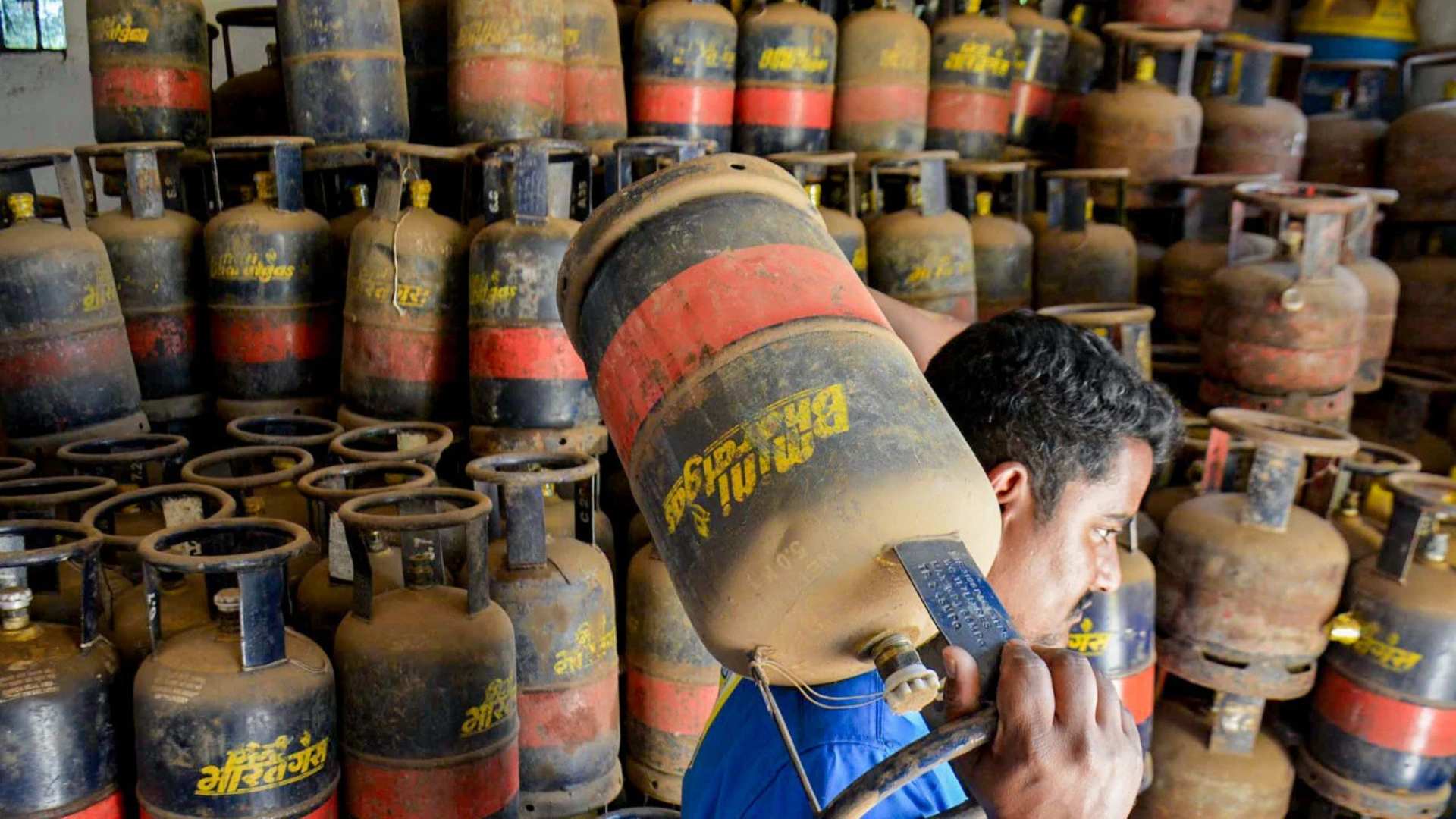
The ongoing conflict in West Asia has begun to affect India’s hospitality sector through disruptions in the supply of liquefied petroleum gas (LPG), which is widely used in restaurants and hotels for cooking. The shortage has forced many establishments across the country to reduce menu items, shorten operating hours, and adopt alternative cooking arrangements.

The situation highlights how geopolitical conflicts can quickly disrupt domestic economic activities, particularly sectors that depend heavily on energy supplies.


LPG Dependence of India’s Food and Hospitality Sector

A large portion of India’s food service industry depends on LPG for cooking operations.

  • Nearly 70% of India’s ₹6.6 trillion food and beverage sector relies on LPG
  • Restaurants typically use commercial 19-kg cylinders
  • Large outlets may consume one cylinder every one or two days

Any disruption in LPG supply therefore directly affects restaurant operations, kitchen functioning, and service capacity.


Advisory by National Restaurant Association of India (NRAI)

The National Restaurant Association of India (NRAI) issued an advisory to around 500,000 restaurants across the country.

The advisory recommended steps to conserve LPG and maintain business continuity:

  • Reduce or suspend dishes requiring long simmering or slow cooking
  • Limit deep-fried food preparation
  • Avoid items needing multiple burners simultaneously
  • Reduce gas consumption during non-peak hours

The aim is to stretch available LPG supplies and keep kitchens operational for as long as possible.


Operational Disruptions in Major Cities

Restaurants across several states are already experiencing operational disruptions due to LPG shortages.

Delhi

In Delhi, several eateries have already reduced operations.

  • Some restaurants in Rajinder Nagar and Hudson Lane remained closed
  • Many outlets are running on limited LPG supplies
  • Restaurants have reduced menu options
  • Some kitchens have been instructed to minimise gas consumption

There are also reports of black marketing of LPG cylinders, with suppliers charging ₹400–₹500 extra per cylinder.

Hotels are trying to adapt by using electric cooking equipment and optimising kitchen operations.

Restaurants connected to piped natural gas (PNG) networks are comparatively better positioned, although supply stability remains uncertain.


Tamil Nadu

Tamil Nadu’s hospitality sector is among the most heavily affected.

  • Around 70,000 hotels and restaurants may be impacted
  • The sector supports over one million workers

Major restaurant chains have taken emergency measures:

  • Adyar Ananda Bhavan (A2B) reduced menu items by 50%
  • Night food deliveries have been suspended in some outlets
  • Dosa and other breakfast items are being served only for limited hours

Some restaurants have also reduced vegetable procurement by around 30%, which may indirectly affect farmers supplying produce.

The Tamil Nadu Chief Minister has requested intervention from the central government to address the LPG shortage.


Karnataka

Restaurants in Bengaluru are also facing dwindling LPG supplies.

Some restaurants report having only one or two days of stock left.

To manage the situation:

  • Certain eateries are encouraging customers to order quick-cooking dishes
  • Some restaurants are preparing to install induction stoves as backup
  • Restaurants using piped gas connections have not yet faced major disruptions

The Karnataka Chief Minister has requested priority LPG supply for:

  • Hotels
  • Hostels
  • Mess facilities
  • Community kitchens

Maharashtra

Restaurants in Mumbai are also beginning to face supply shortages.

Many establishments depend heavily on LPG for their operations.

Some restaurants report that:

  • 60% of their operations rely on LPG
  • LPG stock may run out within a day
  • Kitchen operations may halt if supplies do not resume quickly

The shortage not only affects customers but also staff members who depend on restaurant kitchens for daily meals.


West Bengal

In Kolkata, restaurant operators describe the situation as another major crisis after the COVID-19 pandemic.

Some restaurants are attempting to shift to electric cooking methods, but this creates new challenges:

  • Increased electricity costs
  • Limited compatibility with existing kitchen infrastructure

Electric cooking cannot fully replace LPG in high-volume commercial kitchens.


Odisha

In Odisha, the hospitality sector has warned of potential closures if LPG supplies remain disrupted.

The state has approximately:

  • 8,000 hotels and restaurants
  • Thousands of small roadside eateries

Smaller establishments may temporarily switch to coal or firewood, but large hotels cannot easily change fuel systems due to infrastructure constraints.


Impact on Food Delivery Platforms

Food delivery platforms such as Swiggy and Zomato are currently operating normally.

However, restaurant partners have indicated that their LPG stocks may last only two to three days without fresh supply.

If the shortage continues, delivery services could also face disruptions as restaurant kitchens slow down or close.


Broader Economic Effects

The LPG shortage demonstrates how international geopolitical conflicts can disrupt domestic economic sectors.

Several indirect effects are already visible:

  • Reduced restaurant operations
  • Potential job losses in the hospitality sector
  • Disruptions in supply chains involving farmers and food suppliers
  • Increased operating costs for businesses

The crisis also affects international events and conferences, with some global meetings being cancelled or postponed due to disruptions caused by the West Asia conflict.


Possible Response Measures

To manage the crisis, businesses and governments may consider several responses:

  • Prioritising LPG supply to essential hospitality services
  • Increasing use of piped natural gas (PNG) infrastructure
  • Expanding electric cooking technologies
  • Diversifying energy sources for commercial kitchens

These measures may help reduce vulnerability to future supply disruptions.


Conclusion

The LPG shortage caused by the West Asia conflict has exposed the strong dependence of India’s hospitality sector on a single fuel source. Restaurants across several states are already reducing menus, adjusting cooking methods, and exploring alternative energy options.

If supply disruptions continue, the crisis could affect millions of workers, food supply chains, and the broader service economy, highlighting the need for greater resilience in energy supply systems for the hospitality industry.

Quick Q&A

Everything you need to know

The ongoing conflict in West Asia has triggered disruptions in global energy supply chains, which has directly affected the availability of liquefied petroleum gas (LPG) in several countries, including India. West Asia is a crucial region for global energy supplies, particularly oil and gas. Any geopolitical instability in the region can disrupt production, shipping routes, and global market prices. Since India imports a significant share of its energy requirements, fluctuations in global supply quickly translate into domestic shortages or price spikes.

In the current situation, disruptions in the supply chain have reduced the availability of commercial LPG cylinders used by restaurants, hotels, and catering establishments. The National Restaurant Association of India (NRAI), which represents nearly 500,000 restaurants, has advised establishments to reduce gas consumption by limiting menu items that require long cooking processes such as deep frying or slow simmering. Several restaurants across cities like Delhi, Chennai, Bengaluru, and Mumbai have already reduced menus, cut operating hours, or halted night deliveries due to limited gas supplies.

This situation illustrates how global geopolitical conflicts can create domestic economic ripple effects. Energy supply disruptions not only affect fuel prices but also impact industries dependent on energy inputs. In this case, the hospitality sector—which employs millions and contributes significantly to India’s services economy—has experienced operational stress due to a global geopolitical crisis.

India’s vulnerability to global energy supply disruptions primarily arises from its heavy dependence on imported energy resources. The country imports more than 85% of its crude oil and a large share of its liquefied petroleum gas (LPG) requirements. West Asia plays a dominant role in supplying these energy resources. Consequently, geopolitical tensions in the region can quickly affect global supply chains, shipping routes, and commodity prices.

Another factor contributing to vulnerability is the central role of LPG in India’s domestic and commercial sectors. While LPG is widely used for household cooking through schemes like the Pradhan Mantri Ujjwala Yojana, it is also essential for restaurants, hotels, food vendors, and catering services. When supply shortages arise, commercial establishments face immediate operational difficulties because many of them rely almost entirely on LPG for cooking.

Furthermore, energy markets are highly interconnected. Even if India’s physical supply lines remain intact, global market disruptions can lead to price volatility and supply rationing. For example, rising demand or supply disruptions elsewhere can increase international LPG prices, forcing domestic distributors to adjust allocations. This dependence highlights the need for energy diversification, strategic reserves, and alternative fuel adoption to reduce vulnerability to geopolitical shocks.

Restaurants and hotels across India have begun adopting several operational adjustments to cope with the LPG shortage. One of the most immediate responses has been menu rationalisation. Many establishments have temporarily removed dishes that require long cooking times or heavy gas consumption, such as slow-cooked curries, deep-fried foods, and multi-stage recipes. This strategy helps conserve available gas supplies while allowing restaurants to remain operational.

Another adaptation involves shifting to alternative cooking technologies. Some hotels and restaurant chains are increasing the use of electric cooking appliances such as induction stoves, electric ovens, and steamers. While these alternatives help maintain operations, they may increase electricity costs and require infrastructure adjustments. Larger hotel chains with better resources have begun activating contingency plans by exploring alternative fuel supplies or optimizing kitchen operations.

Restaurants are also implementing operational adjustments such as reducing working hours, suspending late-night deliveries, and limiting kitchen activity during non-peak periods. In some cases, establishments are adjusting procurement strategies, including reducing food purchases due to expected declines in production capacity. These responses highlight the resilience and adaptability of the hospitality sector in managing unexpected supply shocks.

A prolonged LPG shortage could have significant economic and social implications, particularly for India’s hospitality and food services sector, which is estimated to be worth around ₹6.6 trillion. The sector employs millions of workers, including chefs, delivery personnel, waitstaff, and supply-chain workers. If restaurants are forced to reduce operations or shut down temporarily, it could lead to job losses and reduced income for a large segment of the workforce.

Another important impact could be felt along the agricultural and supply chain network. Restaurants and hotels are major buyers of vegetables, dairy products, poultry, and grains. As some establishments have already begun cutting procurement—sometimes by up to 30%—farmers and suppliers could experience declining demand and reduced revenues. This demonstrates how disruptions in one sector can affect multiple interconnected sectors of the economy.

Additionally, the shortage may lead to inflationary pressures and black marketing. Reports of commercial LPG cylinders being sold at inflated prices indicate the emergence of informal markets when supply is constrained. Such distortions can further increase operating costs for businesses and ultimately lead to higher food prices for consumers.

Energy supply disruptions have significant implications for India’s services sector, particularly industries such as hospitality, tourism, transportation, and logistics that depend heavily on energy inputs. The current LPG shortage affecting restaurants illustrates how even non-industrial sectors are vulnerable to global energy shocks. When energy availability becomes uncertain, businesses face rising costs, operational disruptions, and reduced productivity.

One key implication is the need for greater energy diversification and resilience. Overreliance on a single energy source—such as LPG for cooking in restaurants—can create systemic vulnerabilities. Encouraging the adoption of alternative fuels such as electricity, biogas, or piped natural gas (PNG) could reduce dependence on LPG. Infrastructure expansion for PNG networks in urban areas could also provide a more stable fuel supply for commercial establishments.

At the same time, policymakers must balance energy transition goals with economic realities. While alternative energy systems can improve resilience, they require significant investment and infrastructure development. Therefore, long-term strategies should include strengthening energy security, diversifying supply sources, and building strategic reserves to ensure that economic activities remain stable during geopolitical disruptions.

The LPG shortage has affected multiple states across India, illustrating the nationwide impact of the supply disruption. In Delhi, several eateries in areas such as Rajinder Nagar and Connaught Place have reported severe shortages, with some restaurants reducing menus and others shutting down temporarily due to lack of cylinders. Suppliers have indicated that existing stocks may last only a few days, highlighting the urgency of the situation.

In Tamil Nadu, the crisis has affected nearly 70,000 hotels and restaurants. Large chains such as Adyar Ananda Bhavan have reduced their menus by nearly 50 percent and limited operating hours due to declining gas supplies. Restaurant associations have also reduced vegetable procurement by around 30 percent, which may impact farmers supplying produce to the hospitality industry.

Similarly, in Karnataka and Maharashtra, restaurants have reported dwindling LPG stocks, forcing them to explore alternative cooking options such as induction stoves. Some establishments are operating with only one or two days of fuel reserves. These examples demonstrate how a global geopolitical crisis can rapidly disrupt local economic activity across multiple states.

If India faces prolonged disruptions in LPG supplies, policymakers would need to adopt a multi-pronged strategy to protect both businesses and consumers. The first step would involve prioritising fuel allocation for critical sectors such as hospitals, hostels, and large-scale food service operations. Governments may also temporarily increase imports or draw from strategic reserves to stabilize supply and prevent panic shortages.

Another important measure would be to promote fuel diversification within the hospitality sector. Incentives could be provided for restaurants to adopt alternative energy sources such as electric cooking systems, piped natural gas (PNG), or biogas-based fuel systems. Expanding PNG networks in urban areas could provide a more stable and continuous fuel supply for commercial kitchens.

Finally, long-term energy security policies should focus on strengthening supply chain resilience. This includes diversifying import sources, improving storage infrastructure, and encouraging renewable energy adoption. By combining short-term relief measures with long-term structural reforms, the government can ensure that sectors like hospitality remain resilient even during global energy disruptions.