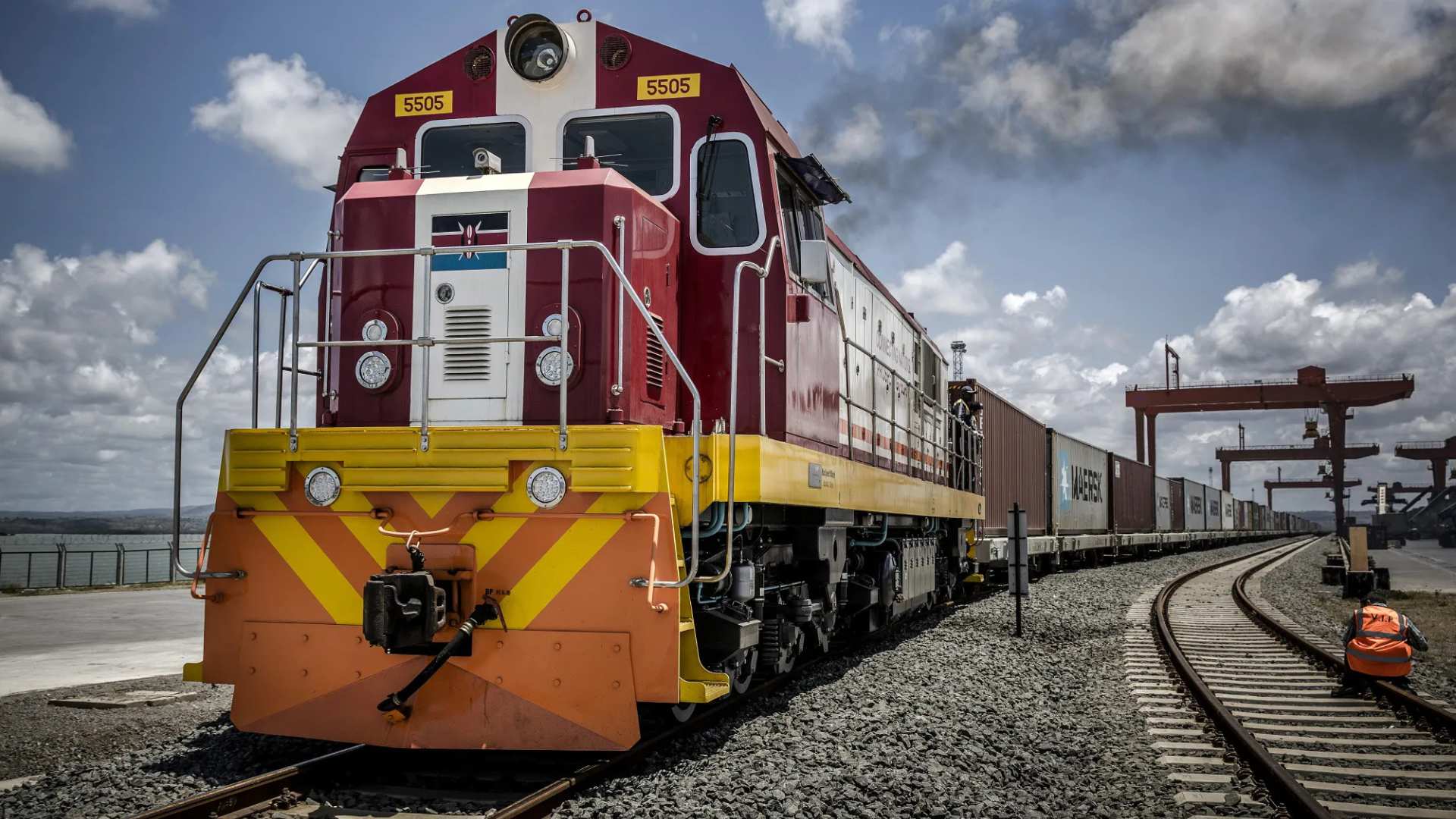
Unlocking India's Railway Potential: The Case for Train Exports

As India aims to boost manufacturing exports, exporting railway rolling stock presents a significant untapped opportunity.
S
Surya
6 mins read
India eyes global railway rolling stock export market

India’s Railway Rolling Stock Exports: An Untapped Opportunity

India today manufactures almost every type of railway rolling stock, including locomotives, passenger coaches, wagons, metro cars and modern trainsets. Over time, a strong railway manufacturing ecosystem has developed through Indian Railways’ Production Units, Public Sector Undertakings (PSUs), and a wide vendor network. These institutions have enabled India to produce railway equipment in large numbers and at competitive costs.

Despite this capability, India has not yet established a significant presence in the global railway vehicle market. This gap is important because railway exports could contribute to India’s broader goal of expanding manufacturing exports and strengthening its role as a reliable industrial partner for developing economies.


Global Demand for Railway Systems

Across Asia, Africa and Latin America, many countries are expanding their railway networks. Rapid urbanisation, rising energy demand and traffic congestion are pushing governments to invest in rail transport.

Many of these countries face challenges similar to those India faced in earlier decades:

  • Limited financial resources
  • Difficult climatic conditions
  • Heavy passenger demand
  • Mixed freight and passenger traffic

Because of these conditions, they often need reliable and affordable railway solutions rather than extremely sophisticated and expensive systems.

India’s railway experience is particularly relevant here. Its trains are designed to operate under demanding conditions, making them suitable for many developing economies.


Structure of the Global Railway Industry

The international railway supply market has historically been dominated by a few large multinational corporations. Their products usually have advanced technology and high performance standards. However, they also tend to be expensive and require complex maintenance systems.

For wealthier countries, this model works well. But for many developing nations, the lifecycle cost of a train becomes more important than the initial purchase price.

A train that is:

  • Cheaper to operate
  • Easier to maintain
  • Durable over a long period

can often be more valuable than a technologically advanced but costly alternative.

India’s railway equipment has evolved under tough operating conditions such as extreme temperatures, dust, high passenger loads and varying track quality. As a result, designs often prioritise:

  • Robustness
  • Ease of maintenance
  • Operational efficiency

These characteristics make Indian rolling stock well suited to the needs of emerging railway systems, particularly in the Global South.


Why Exporting Trains is More Complex

Manufacturing trains for domestic use is different from exporting them internationally. Global railway procurement involves more than engineering capability.

Countries buying trains usually enter long-term relationships with suppliers lasting 25 to 35 years. Therefore, railway purchases are not just commercial deals but long-term infrastructure partnerships.

Several factors determine success in international railway exports.


1. Compliance with Global Technical Standards

International tenders typically require strict safety and technical certifications. These include standards related to:

  • Structural strength
  • Fire safety
  • Crashworthiness

Indian manufacturers possess strong engineering capabilities, but certification to globally recognised standards must become routine. Creating dedicated certification units within quality departments can help manufacturers consistently meet international requirements and qualify for global tenders.


2. Design, Ergonomics and Passenger Experience

Modern railway systems emphasise passenger comfort and user experience. Global buyers expect trains to provide:

  • Comfortable interiors
  • Intuitive passenger interfaces
  • Attractive aesthetics

Therefore, Indian railway manufacturers need to invest more in industrial design capabilities. Establishing specialised design units would ensure that trains are not only robust but also comfortable and visually appealing for international customers.


3. Lifecycle Service and Long-Term Support

Successful exporters do more than simply deliver trains. They take responsibility for ensuring reliable performance over decades.

This involves providing:

  • Maintenance support
  • Spare parts supply
  • Training for railway staff
  • Remote diagnostics and monitoring
  • Reliability management

For many buyers, the assurance of long-term service is more important than the train itself. As a result, Indian manufacturers must move from a purely manufacturing mindset to a service-oriented approach, where the focus is on guaranteeing operational availability rather than just selling hardware.


4. Institutional Coordination and Financing

In international infrastructure projects, engineering capability alone rarely secures contracts. Financing arrangements, diplomatic engagement and project management support often influence decisions.

India has an advantage through its development partnerships and lines of credit offered to partner countries. When railway equipment exports are combined with:

  • project consultancy
  • financial support
  • government cooperation

the overall package becomes far more attractive for partner nations.


5. Export-Oriented Supply Chains

Railway vehicles are complex systems composed of many specialised components such as:

  • braking systems
  • electronic control systems
  • passenger information systems
  • doors and safety mechanisms
  • air-conditioning units

Export success therefore requires a coordinated vendor ecosystem capable of supporting international operations. A strong supply chain ensures reliability, faster spare-parts delivery and efficient maintenance support for overseas customers.


Strategic Importance of Railway Exports

Railway exports can also strengthen India’s economic diplomacy. Many developing countries prefer partners who provide technology sharing and training rather than simply selling equipment.

India’s long experience in managing large public transport systems allows it to offer:

  • training programmes
  • technical cooperation
  • operational guidance

This collaborative approach helps build long-term partnerships and strengthens India’s global influence.


The Shift Toward Mobility Solutions

The global railway market is increasingly moving beyond the sale of standalone trains. Buyers now expect integrated mobility solutions that include:

  • maintenance planning
  • digital monitoring systems
  • workforce training

By adopting this model, India can position itself not merely as a low-cost manufacturer but as a dependable partner for railway development.


Future Opportunities

The global demand for railways is likely to grow significantly in the coming decades. Many countries are expanding rail networks to support sustainable transport and climate goals.

Electrified railways are among the most energy-efficient transport systems. As governments seek environmentally friendly transport options, the demand for affordable railway technology will increase.

Entering the export market during this growth phase would allow India to establish a strong global presence.


Benefits for India

Railway exports would provide benefits beyond export earnings. They would:

  • Stimulate domestic manufacturing
  • Improve quality standards and industrial practices
  • Encourage technological innovation
  • Strengthen India’s credibility in global infrastructure projects

Success in railway exports would demonstrate India’s ability to deliver complex engineering systems internationally.


Way Forward

To realise this opportunity, India needs to transition from producing trains mainly for domestic use to producing trains for global markets. Key priorities include:

  • Designing trains that meet international certification standards
  • Improving passenger-focused design and ergonomics
  • Providing long-term maintenance and lifecycle services
  • Integrating financing and consultancy with equipment exports
  • Building a coordinated export-oriented supply chain

Conclusion

India already possesses the engineering capability and manufacturing capacity required for railway exports. With systematic policy support and strategic planning, railway rolling stock could become one of India’s major engineering exports in the future.

Just as pharmaceuticals and information technology services became globally recognised sectors for India, railway manufacturing has the potential to emerge as another flagship industry in the coming decades.

Quick Q&A

Everything you need to know

Railway rolling stock refers to all the vehicles that operate on a railway network. This includes locomotives, passenger coaches, freight wagons, metro cars, and modern trainsets such as Vande Bharat. These vehicles form the operational backbone of any railway system. India has developed significant capacity in manufacturing rolling stock through its Production Units, Public Sector Undertakings (PSUs), and a large private vendor ecosystem. Over the decades, this ecosystem has matured to produce high volumes of railway equipment at competitive costs while meeting the demanding operational requirements of Indian Railways.

Strategically, rolling stock manufacturing is important for India’s industrial growth and export diversification. Unlike many other manufacturing sectors that depend heavily on imported components, the railway ecosystem has a strong domestic supply chain involving thousands of vendors producing braking systems, electronics, air-conditioning units, passenger information systems, and other subsystems. This not only supports employment and industrial capability but also enhances technological learning and quality standards within the country.

<In the context of global trade, railway rolling stock represents a major opportunity for India to expand its presence in infrastructure exports. Many developing nations across Asia, Africa, and Latin America are expanding their rail networks to address urbanisation, congestion, and energy security. These countries often require cost-effective, robust, and easily maintainable railway solutions—areas where Indian designs have proven strengths due to decades of operation in challenging conditions. By leveraging this capability, India can transform rolling stock manufacturing into a flagship export sector similar to its success in pharmaceuticals and information technology services.

Despite possessing extensive manufacturing capabilities, India’s presence in the global railway export market has remained limited due to several institutional, technical, and market-related factors. Historically, the global railway supply industry has been dominated by a few large multinational corporations from Europe, Japan, and China. These companies have long-established relationships with governments and railway authorities worldwide, giving them a strong advantage in international tenders and project negotiations.

<Another key factor is the importance of international certification and safety standards. Railway vehicles procured through global tenders must comply with internationally recognized norms, particularly European standards covering crashworthiness, fire safety, and structural integrity. While Indian manufacturers possess strong engineering capabilities, systematic certification for international markets has not always been a routine practice. Without these certifications, even technically capable products struggle to qualify for international procurement processes.

<Additionally, global railway contracts involve more than just supplying trains. Countries purchasing railway systems expect long-term lifecycle commitments, including maintenance services, spare parts supply, workforce training, and digital monitoring over a period of 25–35 years. Indian manufacturers have traditionally focused on production for domestic use rather than offering integrated service packages. As a result, India has not yet fully positioned itself as a long-term infrastructure partner in international railway projects. Addressing these gaps in certification, lifecycle support, and institutional coordination will be crucial for expanding India’s presence in the global rolling stock market.

India can become a competitive exporter of railway rolling stock by adopting a multi-dimensional strategy that integrates engineering capability, certification, service support, and international cooperation. The first step is ensuring alignment with globally recognized technical and safety standards. International railway procurement requires compliance with strict norms related to structural strength, passenger safety, and fire protection. Establishing dedicated certification units within railway manufacturing organizations would enable Indian designs to routinely qualify for international tenders rather than treating certification as a one-time process.

<A second important step involves strengthening industrial design and passenger experience. Global railway customers increasingly expect modern aesthetics, ergonomic interiors, and user-friendly passenger interfaces. This includes better seating design, lighting, digital passenger information systems, and accessibility features. Creating specialized industrial design units within railway design departments can help Indian rolling stock match global expectations while maintaining robustness and cost efficiency.

<Finally, India must transition from a purely manufacturing-focused approach to a service-oriented model. Successful exporters offer long-term support packages that include maintenance planning, spare parts logistics, training programs, and remote diagnostics systems. Combining these services with India’s strengths in project consultancy, development partnerships, and lines of credit can significantly enhance the attractiveness of Indian railway exports. By integrating manufacturing, financing, and technical cooperation, India can position itself as a reliable partner for railway development in emerging economies.

Indian railway rolling stock has evolved under some of the most challenging operational conditions in the world. Indian trains operate with high passenger density, extreme temperatures, dust exposure, mixed traffic operations, and variable track quality. These demanding conditions have shaped design priorities toward durability, maintainability, and operational efficiency rather than excessive technological complexity. As a result, Indian rolling stock tends to be robust and capable of functioning reliably in environments where infrastructure and maintenance facilities may be limited.

<Many developing countries across Asia, Africa, and Latin America face similar challenges in their railway systems. These nations often have limited capital budgets and must prioritise lifecycle cost rather than initial purchase price. A train that is economical to maintain over 30 years and can function reliably with modest maintenance infrastructure is often more valuable than a technologically sophisticated system that requires complex support systems and expensive spare parts.

<For example, several African and Southeast Asian countries are expanding rail networks to manage rapid urbanisation and reduce congestion. These networks require trains that can withstand heavy utilisation and varying environmental conditions. Indian rolling stock, designed for reliability and cost-effectiveness, naturally aligns with these requirements. This compatibility gives India a unique advantage in serving the “Global South” railway market, where practical and affordable solutions are often more valuable than cutting-edge but expensive technologies.

Railway rolling stock exports can play a significant role in strengthening India’s economic diplomacy. Infrastructure projects such as railways involve long-term cooperation between countries, often lasting several decades. When India supplies trains along with technical assistance, training programs, and maintenance support, it establishes durable partnerships with partner nations. This approach aligns with India’s broader development cooperation initiatives in Asia and Africa, where infrastructure support is often accompanied by capacity-building programs.

<From an industrial perspective, expanding railway exports can stimulate domestic manufacturing and improve technological capabilities. Export markets impose stringent quality, safety, and certification requirements. Meeting these standards encourages Indian manufacturers to adopt global best practices in engineering, testing, and quality assurance. Over time, this can improve the competitiveness of the entire railway manufacturing ecosystem, including thousands of small and medium enterprises that supply components.

<However, there are also challenges and risks that require careful management. International railway contracts are complex and involve financing arrangements, long-term maintenance obligations, and geopolitical considerations. Competing against established global players requires coordinated action between government institutions, manufacturers, financial agencies, and diplomatic channels. If managed strategically, railway exports could become a major instrument of India’s industrial diplomacy, similar to how infrastructure projects and technology partnerships have enhanced the global influence of countries like China and Japan.

The proposed export of Vande Bharat trainsets represents an important opportunity for India to showcase its technological and manufacturing capabilities in the global railway sector. Vande Bharat is an indigenously developed semi-high-speed trainset designed for improved efficiency, passenger comfort, and faster acceleration compared to conventional locomotive-hauled trains. Its development demonstrates India’s ability to design and manufacture modern trainsets domestically, reducing reliance on foreign technology.

<If successfully exported, Vande Bharat could serve as a symbol of India’s engineering capability and act as a gateway product for international railway markets. Many developing countries are exploring semi-high-speed rail solutions that balance performance with affordability. Vande Bharat’s design philosophy—combining modern features with operational efficiency—can meet the needs of countries seeking reliable intercity rail systems without the high costs associated with advanced high-speed rail technology.

<However, exporting Vande Bharat will require more than simply manufacturing trainsets. India must ensure compliance with international safety standards, establish maintenance support systems, and provide training for railway personnel in partner countries. If these elements are integrated effectively, the Vande Bharat export initiative could function as a case study in how India transitions from a domestic railway manufacturer to a global mobility solutions provider, strengthening both industrial exports and diplomatic partnerships.

Attribution

Original content sources and authors

Sign in to track your reading progress

Comments (0)

Please sign in to comment

No comments yet. Be the first to comment!