1. Context and Persistence of Bonded Labour
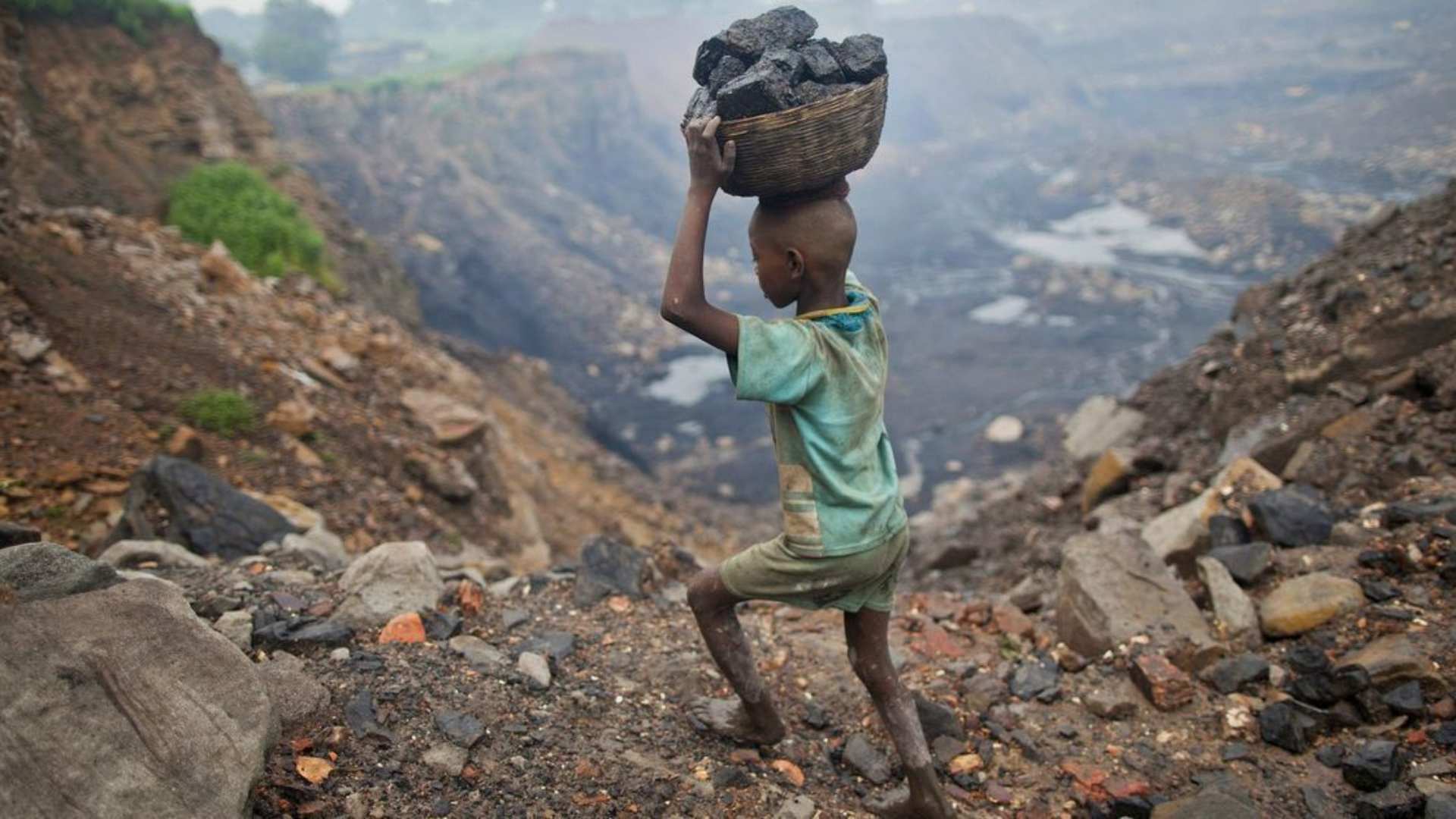
Bonded labour, a form of modern-day slavery, continues to affect vulnerable populations in India, particularly tribals and economically marginalized communities. Cases from Odisha illustrate that migration for work often exposes individuals and families to exploitative labour conditions, such as long work hours, inadequate wages, and confinement under constant supervision.
For instance, Panchanan Muduli from Balangir district migrated to Telangana after failed employment in Hyderabad and was subsequently declared a bonded labourer under the Bonded Labour System (Abolition) Act, 1976. Despite legal protection, structural poverty and the absence of timely rehabilitation forced him to migrate again, illustrating the cyclical nature of exploitation.
The Bonded Labour System (Abolition) Act, 1976, enacted retrospectively from October 1975, criminalises forced or partly forced labour arising from debt, economic necessity, or caste-based obligations. The law mandates identification, release, and rehabilitation of bonded labourers, yet five decades later, administrative lapses have limited its efficacy.
Persistent bonded labour indicates that legal abolition alone is insufficient. Without effective rehabilitation and monitoring, rescued individuals remain vulnerable to recurring exploitation, undermining social justice and human rights objectives.
2. Migration and Economic Vulnerability
Migration for survival exposes labourers to systemic exploitation. Individuals often accept hazardous and underpaid work in sectors such as poultry farms, brick kilns, and fisheries, leading to physical and economic bondage.
Examples:
- Panchanan Muduli endured 15-hour workdays and makeshift shelters.
- Dambarudhar Majhi from Nuapada district experienced confinement in a poultry farm, surviving on meagre wages and relying on relatives for children’s safety.
- Jayaraj Jagat’s family was rescued in 2012 but, due to lack of sustained rehabilitation, had to migrate repeatedly to brick kilns in Telangana.
Impacts:
- High vulnerability to debt, malnutrition, and occupational hazards
- Intergenerational transmission of poverty and bonded conditions
Economic distress drives internal migration, which in turn increases exposure to exploitative labour. Ignoring this connection can perpetuate cycles of bonded labour despite formal legal frameworks.
3. Gaps in Rehabilitation and Relief
Timely rehabilitation is a critical component of the 1976 Act. However, several systemic gaps persist:
- Delayed or absent rehabilitation: Many rescued labourers in Odisha never received promised financial or social support.
- Central schemes underutilized: The Central Sector Scheme for Rehabilitation of Bonded Labourers (2022) provides immediate relief up to ₹30,000 and graded rehabilitation of ₹1–3 lakh, yet hundreds of labourers await disbursement.
- Lack of district-level funds: Half of Odisha’s districts lack the ₹10 lakh corpus fund meant for immediate relief.
- Bureaucratic coordination failures: Rehabilitation requires cooperation among labour, revenue, panchayati raj, and police departments, which is often lacking.
“When rehabilitation is delayed, rescued labourers are pushed back into the same profession, no matter how harsh or exploitative the conditions are.” — Umi Daniel, Aid et Action
Without effective rehabilitation, legal release becomes a temporary reprieve rather than a sustainable escape, undermining the Act’s intent to empower freed labourers.
4. Caste-Based Bondage
Bonded labour is not solely economic; it often persists through hereditary, caste-based obligations, particularly in barber and washermen communities. Tasks imposed include ritual services, food cleaning, and ceremonial duties, enforced through social sanctions rather than physical coercion.
Implications:
- Caste-based enforcement is difficult to monitor and requires social as well as legal intervention.
- Resistance may provoke economic and social ostracism, limiting escape from bondage.
Recognition of caste-based bondage is crucial. Legal frameworks must account for social hierarchies that perpetuate forced labour, or risk incomplete enforcement of the abolition law.
5. Legal and Institutional Challenges
Implementation of the Bonded Labour System (Abolition) Act faces multiple administrative barriers:
- Weak monitoring: District Collectors are mandated to oversee rehabilitation, yet lapses are frequent.
- Revocation of release certificates: Cases in Odisha show certificates being cancelled despite ongoing exploitation, reflecting bureaucratic ignorance.
- Inadequate data: The last comprehensive survey remains the SECC-2011; systematic tracking is lacking.
- Poor awareness: Rescued labourers and local administrations often lack knowledge of entitlements and procedures.
Ineffective institutional mechanisms compromise the law’s objectives, demonstrating that legislative existence alone is insufficient to protect vulnerable populations.
6. Way Forward
To break the cycle of bondage, India requires a multi-pronged approach:
- Strengthen district-level monitoring with dedicated funds and officers for rehabilitation.
- Ensure timely financial and social assistance, linking survivors to housing, livelihoods, and social security programs.
- Integrate anti-poverty measures and skill development for freed labourers to reduce migration-driven vulnerability.
- Recognize and address caste-based bondage through social awareness campaigns and community engagement.
- Maintain updated national and state-level data to track released labourers and prevent certificate revocations.
Comprehensive rehabilitation and social integration are essential to ensure that the abolition of bonded labour translates into long-term dignity and economic security.
Conclusion
Five decades after the enactment of the Bonded Labour System (Abolition) Act, 1976, bonded labour persists due to economic deprivation, migration pressures, and caste hierarchies. While rescue operations continue, the lack of effective rehabilitation undermines the law’s objectives. Coordinated action across administrative departments, timely financial support, and skill-based empowerment are critical to convert legal freedom into sustainable livelihoods, preventing repeated exploitation.