Gig Economy at a Crossroads Strikes Signal Limits of India’s Labour Reforms

Draft Rules offer social security but leave wages, working conditions, and algorithmic exploitation unaddressed, raising concerns for millions of app-based workers
4 mins read
Gig workers’ social security secured, but wages, work conditions, and platform accountability remain largely unaddressed
Not Started

1. Context of Gig Worker Strikes and Labour Codes

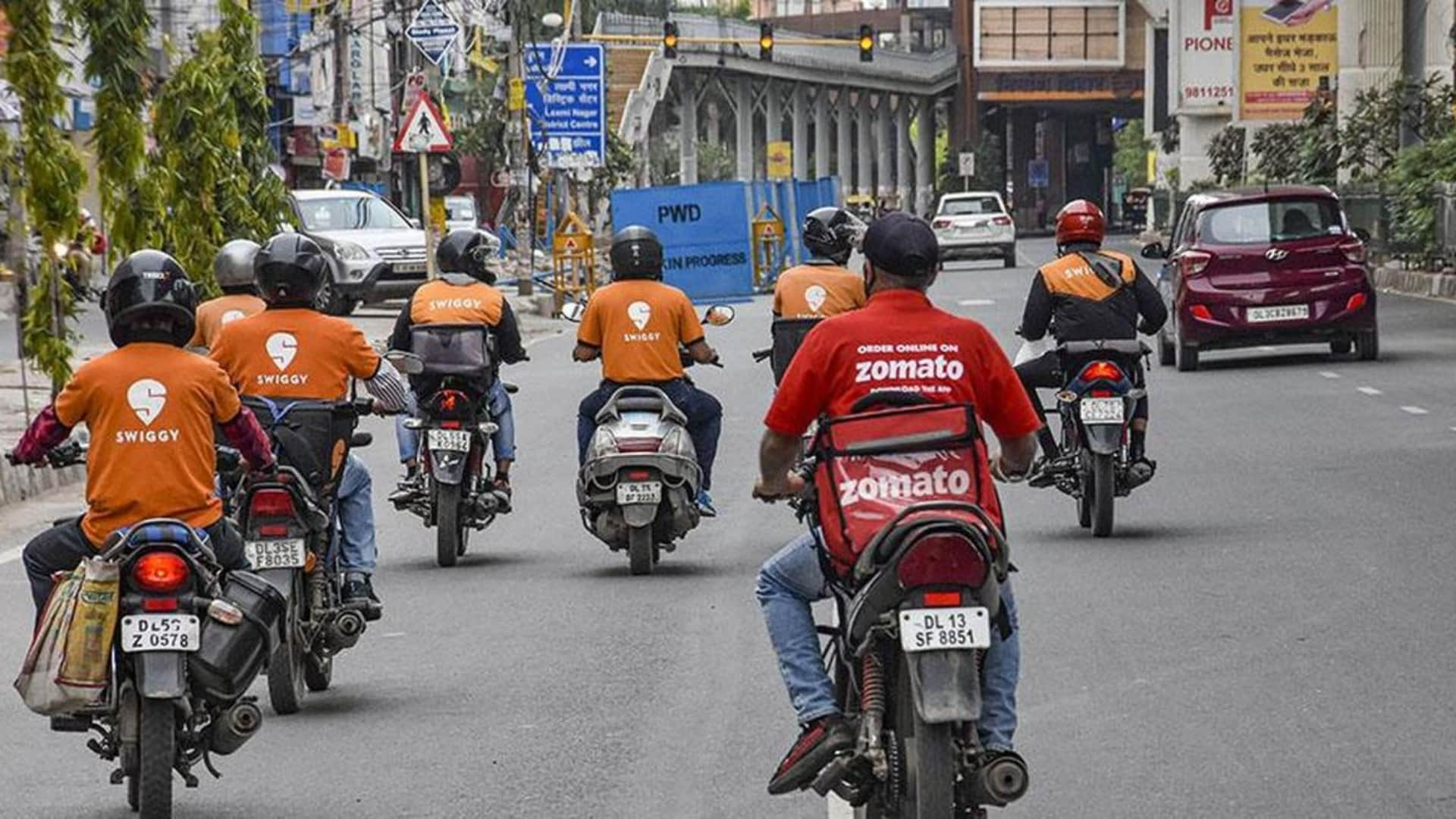
The nationwide strike by approximately one lakh gig workers on December 31 highlighted persistent insecurity in India’s platform economy. The strike came immediately after the Labour Ministry released draft Rules to operationalise refreshed labour codes. These Rules primarily extend social security coverage, leaving wages, working conditions, and algorithmic management unregulated. As a result, critical grievances such as opaque incentive structures, algorithmic rate cuts, and irregular payments remain unaddressed.

While the Code on Wages applies broadly, it excludes gig work from the definition of employment for wage purposes. Consequently, platforms are only mandated to contribute to a social security fund, without any obligations for fair wages or dispute resolution mechanisms. Similarly, the OSH&WC (Central) Rules, reliant on employer compliance via the Shram Suvidha Portal, fail to account for app-mediated work’s unique risks.

Understanding this context is vital for governance, as partial labour protections may fail to resolve systemic precarity in a growing sector. Ignoring these gaps risks recurring industrial unrest and social inequities.

  • Key fact: Workers must register on a portal; aggregators upload quarterly engagement details.
  • Eligibility thresholds: 90 days with one aggregator or 120 cumulative days across multiple aggregators in a financial year.

2. Issues with the Draft Rules and Social Security Access

The draft Rules’ design raises structural and equity concerns. A single calendar day can be counted multiple times if a worker earns via multiple platforms, accelerating eligibility but without constraining platforms’ organisation of work. This may inadvertently disadvantage workers with caregiving responsibilities or those facing demand slumps beyond their control.

The Rules lack clarity on:

  • Minimum benefits under the Social Security Fund.
  • Time-bound claims and dispute resolution.
  • Worker rights to contest incorrect or incomplete records provided by platforms.

Without explicit protections for illness, maternity, or demand fluctuations, the promised social security may remain largely inaccessible, failing to address the underlying precarity that triggered strikes.

Governance logic: Social security frameworks must account for sector-specific vulnerabilities; otherwise, reforms will not translate into meaningful protection or industrial peace.

Challenges:

  • Eligibility thresholds may penalise intermittent or part-time gig workers.
  • Lack of dispute resolution mechanisms increases dependency on platforms’ discretion.

3. Implications for Workers, Platforms, and Policy

The current framework prioritises platform flexibility over worker security. While it provides a formal social security registration mechanism, it does not:

  • Ensure income stability.
  • Protect against algorithmic exploitation.
  • Include clear guidelines for benefits, claims, or data verification.

For platforms, the Rules minimise compliance burdens and leave scope for opaque operational practices. For policymakers, partial implementation risks undermining the legitimacy of labour codes and could exacerbate inequities in the rapidly expanding gig economy.

Effective governance requires balancing platform innovation with labour protection. If ignored, structural insecurity and strikes will persist, weakening trust in regulatory institutions.

Impacts on India’s workforce:

  • Gig sector workers continue to face income volatility.
  • Potential escalation of labour disputes without clear legal remedies.

4. Recommendations and Way Forward

To strengthen the draft Rules and deliver meaningful social security, the following measures are critical:

  • Redesign thresholds (90- and 120-day criteria) to include protections for illness, maternity, and demand downturns.
  • Clearly specify benefits under the Social Security Fund, including minimum entitlements, claims procedures, and appeal timelines.
  • Mandate periodic statements from aggregators detailing jobs, hours, earnings, and deductions.
  • Provide mechanisms for workers to contest discrepancies and ensure timely redress independent of platform goodwill.

These changes would make social security accessible and reliable, reduce industrial unrest, and support inclusive growth in the digital economy.

Strategically, integrating worker protections with platform compliance strengthens labour market governance and aligns the gig economy with India’s broader labour reforms.

Policy measures:

  • Mandatory registration and periodic reporting on Shram Suvidha Portal.
  • Explicit incorporation of care-related or demand-slow periods into eligibility criteria.

5. Conclusion

The gig economy’s growth underscores the urgency of sector-specific labour regulation. Current draft Rules provide a foundation for social security, but significant gaps in wages, working conditions, and dispute resolution persist. Strengthening access, clarifying benefits, and ensuring accountability from aggregators are essential for sustainable labour reforms.

Effective implementation will:

  • Protect workers from structural precarity.
  • Reduce industrial unrest and strikes.
  • Promote equitable growth in India’s evolving digital labour market.

Quick Q&A

Everything you need to know

The core issue raised by gig workers is that the new draft labour rules recognise them only for social security purposes while excluding them from protections related to wages and working conditions. Although the Code on Wages applies across sectors, gig work is explicitly excluded from an employment relationship for wage determination, treating it as a distinct category.

This means that critical concerns of gig workers—such as algorithmic rate cuts, opaque incentive structures, unpredictable earnings, and excessive working hours—remain unaddressed. As a result, while platforms are required to contribute to a social security fund, workers continue to face income insecurity and lack bargaining power, which explains the urgency and scale of nationwide strikes.

The exclusion is significant because wages and working conditions form the core of labour protection. Social security, while important, operates as a post-facto safety net and cannot substitute for fair pay, income predictability, and dignified working conditions. Without wage protection, gig workers remain vulnerable to unilateral algorithmic changes imposed by platforms.

This approach risks institutionalising a two-tier labour system, where traditional employees enjoy comprehensive protections while gig workers are governed by minimal obligations. Such a framework may deepen precarity, discourage long-term workforce stability, and undermine the constitutional goal of social justice in an economy increasingly dependent on platform-mediated labour.

The draft Social Security Rules propose inclusion by requiring gig workers to register on a portal, while aggregators must upload and periodically update worker engagement data. Eligibility for benefits is linked to a threshold of 90 days with one aggregator or 120 cumulative days across platforms in a financial year.

However, this mechanism has notable limitations. While counting multiple aggregators in a single day as multiple workdays may help some workers qualify faster, the rules do not constrain how platforms structure work. Moreover, the thresholds may penalise workers facing illness, caregiving responsibilities, maternity, or demand slumps, making access to social security uncertain and uneven.

The proposed rules rely on a conventional employer-compliance model built around portals like Shram Suvidha, which assumes stable employer-employee relationships. App-mediated work, however, is characterised by fragmented engagements, algorithmic management, and limited transparency, making such models ill-suited.

Additionally, the absence of clearly defined benefits, dispute resolution mechanisms, and time-bound claims processes shifts excessive dependence onto platforms’ goodwill. Without addressing power asymmetries between platforms and workers, the rules risk formalising insecurity rather than alleviating it.

Focusing on social security is a positive step as it acknowledges gig workers as a distinct category deserving state-backed protection. It can potentially provide access to benefits such as insurance or pensions, offering a safety net in times of vulnerability.

However, this approach is insufficient if not accompanied by protections related to wages, transparency, and working conditions. Social security without income stability may merely compensate for structural exploitation rather than prevent it. A balanced framework must integrate both preventive (fair wages, transparency) and protective (social security) measures.

The nationwide strike of gig workers on December 31, involving nearly a lakh workers, illustrates the urgency of these concerns. Workers protested against algorithmic rate cuts, opaque incentive systems, and the lack of meaningful engagement from platforms, even as police intervention was reportedly used to maintain service delivery.

Internationally, similar concerns have been addressed differently. For example, some European countries have experimented with reclassifying gig workers as employees or granting them collective bargaining rights, highlighting alternative regulatory paths that go beyond limited social security inclusion.

A reformed framework should include explicit protections ensuring that eligibility thresholds do not lapse due to illness, maternity, caregiving duties, or demand collapses. The rules must clearly define the minimum benefits supported by the Social Security Fund and establish a time-bound, independent claims and appeals mechanism.

Further, aggregators should be mandated to provide periodic, verifiable statements detailing jobs, hours, earnings, and deductions, with a right for workers to contest data inaccuracies. Such measures would transform social security from a symbolic inclusion into a functional and accessible right, addressing the structural causes of gig worker insecurity.

Attribution

Original content sources and authors

Sign in to track your reading progress

Comments (0)

Please sign in to comment

No comments yet. Be the first to comment!