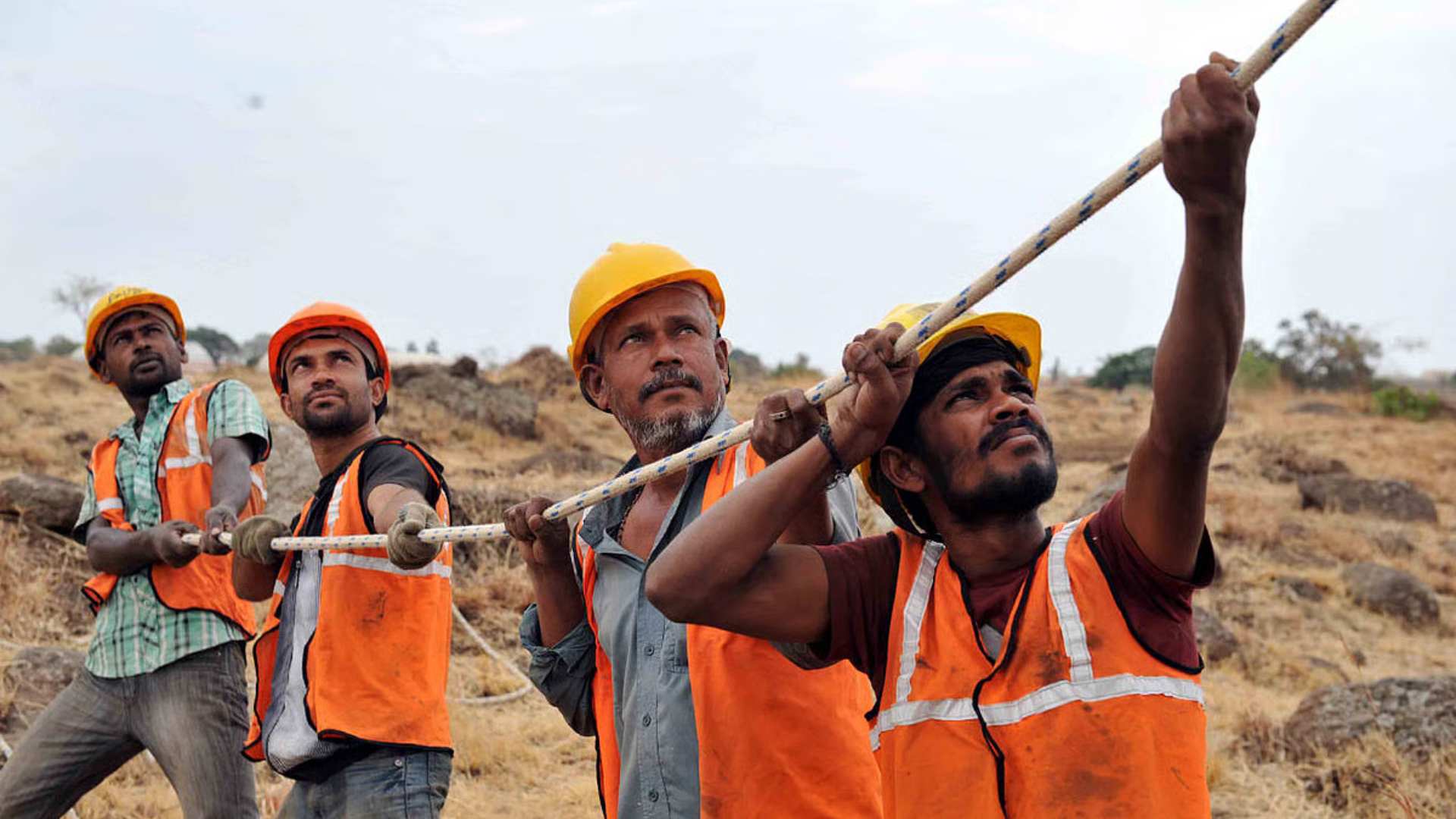
Labour Codes: Redefining Wages and Empowering Workers

The new labour codes aim to enhance worker benefits, promote financial inclusion, and strengthen long-term social security measures.
PT
pocketias team
4 mins read
India’s new labour codes: Securing wages, social security, and financial dignity for every worker — building inclusive growth, one reform at a time
Not Started

1. Labour Codes as a Tool for Financial Inclusion

The implementation of India’s labour codes represents a structural intervention aimed at integrating workers into the formal financial and social security system. By consolidating multiple fragmented laws into four unified codes, the reforms modernise labour governance while embedding social security, income protection, and long-term financial safeguards into employment.

The codes address historical exclusions, particularly for workers on fixed-term contracts, gig, and platform employment, ensuring that economic growth benefits are more equitably shared. By doing so, they strengthen worker participation in the formal economy, promoting financial inclusion, economic stability, and social justice.

Financially inclusive labour laws ensure equitable distribution of growth and reduce vulnerability among workers. Ignoring such reforms perpetuates structural inequality and limits the macroeconomic benefits of expanded social security.


2. Reform of Wage Definition and Social Security Benefits

A major reform under the labour codes is the redefinition of ‘wages’. Previously, establishments could pay only 30–35% of total remuneration as wages to reduce social security contributions. Under the new definition, wages must constitute at least 50% of total remuneration, increasing contributions to Provident Fund (PF), pensions, and gratuity.

Additionally, fixed-term employees are now entitled to gratuity after one year of service, ensuring terminal benefits even for short-term contracts. This reform converts short-term employment into a mechanism for asset creation and income security, thereby enhancing financial resilience during job transitions.

Reforming wage structures and benefits ensures long-term financial protection for workers. Ignoring these measures would perpetuate exclusion and prevent workers from accumulating retirement assets or building economic resilience.

Key Impacts:

  • Higher PF and pension contributions
  • Gratuity for fixed-term employees after 1 year
  • Improved income security and worker purchasing power

3. Macroeconomic Implications of Labour Codes

The expansion of social security coverage to gig, platform, and informal sector workers is a landmark development. Portability of benefits across states and jobs is particularly important for migrant workers, who have historically lacked access to formal financial systems.

By stabilising incomes and increasing worker purchasing power, the labour codes stimulate demand-led growth. Worker income is more likely to circulate within the domestic economy compared with shareholder income, leading to higher consumption, better savings behaviour, and engagement with formal financial institutions.

Financially secure workers contribute to macroeconomic stability and inclusive growth. Ignoring these benefits could limit domestic consumption-led growth and leave large segments of the workforce economically vulnerable.

Macroeconomic Effects:

  • Higher domestic consumption and savings
  • Greater financial participation in formal institutions
  • Reduced vulnerability to economic shocks

4. Addressing Historical Exclusions and Modern Labour Realities

Earlier labour laws were fragmented, outdated, and ill-suited to India’s evolving labour market. Fixed-term and informal workers contributed productively but were largely excluded from terminal benefits.

The labour codes close long-standing legal gaps, simplify compliance, improve transparency, and create a predictable regulatory environment for both workers and employers. While trade unions have expressed concerns, the reforms are pro-worker and welfare-oriented, aiming for structural inclusion rather than superficial regulation.

Integrating excluded workers into the formal system enhances equity and predictability. Ignoring these reforms risks perpetuating systemic exclusion and reduces the effectiveness of labour governance.


5. Corporate Impact and Economic Redistribution

The labour codes increase the financial liability of large firms, particularly those with significant fixed-term workforces (e.g., TCS, Infosys, HCLTech, L&T). However, the outgo translates directly into enhanced worker benefits, creating a more equitable redistribution of economic value.

This redistribution strengthens financial dignity, purchasing power, and social security, while generating positive multiplier effects in the economy through increased consumption and savings. The reforms thus align corporate growth with inclusive and sustainable economic development.

Corporate compliance with labour codes strengthens the domestic economy by converting wages into broader social and financial benefits. Ignoring compliance would limit the redistributive impact of economic growth.

Redistribution Effects:

  • Enhanced worker income and social security
  • Positive multiplier effects on domestic consumption
  • Alignment of corporate growth with social welfare

6. Conclusion

India’s labour codes are a strategic tool for financial inclusion, income security, and inclusive growth. By extending social security, redefining wages, and integrating informal and gig workers into formal systems, the codes promote equitable redistribution, worker dignity, and economic stability. The ultimate success of these reforms depends on effective implementation, ensuring that every worker becomes an active participant in India’s growth story.

"Labour law reform is not merely regulatory restructuring, but a structural intervention aimed at greater financial inclusion." — Editorial Insight

Quick Q&A

Everything you need to know

Definition and Objective: India’s labour codes are a consolidation of multiple fragmented labour laws into four comprehensive legislations, designed to modernise labour governance and extend social security and financial protection to workers. They aim to provide uniformity, transparency, and enforceability, creating a framework that benefits both employees and employers.

Enhancing Financial Inclusion:

  • The codes redefine wages, ensuring that at least 50% of total remuneration is counted for social security contributions, increasing provident fund (PF), pension, and gratuity benefits.
  • Fixed-term employees now qualify for gratuity after completing one year of service, converting previously short-term employment into a mechanism for long-term income security.
  • Coverage extends to gig, platform, and informal workers, providing access to insurance, welfare schemes, and PF mechanisms, with portability across states.

Example: Companies like TCS, Infosys, HCLTech, and L&T face higher social security contributions due to these reforms, but the outgo directly strengthens worker income security and purchasing power, illustrating the codes’ role in promoting inclusive growth.

Need for Labour Codes: India’s earlier labour laws were fragmented, outdated, and ill-suited to the realities of a modern, dynamic workforce. Multiple statutes created compliance challenges, legal ambiguity, and gaps in social security coverage.

Shortcomings Addressed:

  • Exclusion of fixed-term, gig, and informal workers from provident funds, pensions, and gratuity schemes.
  • Arbitrary wage definitions and delayed payments, which reduced social security contributions.
  • Lack of portability and inclusivity in benefits, particularly for migrant and platform workers.

Impact: The labour codes simplify compliance, ensure a predictable regulatory environment, and correct historical exclusions, embedding long-term financial protection within the employment relationship and promoting equitable sharing of economic gains.

Redefinition of Wages: By mandating that wages constitute at least 50% of total remuneration, the labour codes increase the base on which PF, pension, and gratuity contributions are calculated. This ensures that employees accrue higher long-term benefits and financial safeguards.

Fixed-Term Gratuity: Fixed-term employees, previously excluded from gratuity schemes, are now eligible after one year of service. This converts short-term employment into a vehicle for asset creation and financial inclusion.

Macro-Impact:

  • Higher provident fund contributions enhance retirement security.
  • Gratuity payments reduce vulnerability during job transitions.
  • These measures collectively strengthen workers’ purchasing power, contributing to demand-led economic growth and inclusive development.

Example: Employees in large IT firms, who often work on fixed-term contracts, now have guaranteed terminal benefits, turning temporary roles into mechanisms for long-term financial stability.

Trade Union Opposition: Some trade unions have called for nationwide strikes, perceiving the codes as anti-worker reforms. Concerns often revolve around enforcement, compliance, and administrative implementation.

Interpretation:

  • While apprehensions about proper implementation are legitimate, blanket opposition frequently overlooks the tangible gains for workers embedded in the legislation.
  • Strikes and protests may sometimes reflect resistance to change rather than substantive policy concerns.
  • Labour codes are designed to enhance financial security, social protection, and equity, making them fundamentally pro-worker.

Example: Opposition notwithstanding, the inclusion of gig and platform workers in social security mechanisms is a landmark reform, which trade unions may have underappreciated in initial reactions.

Income Redistribution: By increasing wages eligible for social security and extending coverage to previously excluded workers, the labour codes redistribute economic value towards labour. This enhances workers’ financial capacity and purchasing power.

Macroeconomic Effects:

  • Higher income security translates into greater domestic consumption, as worker income circulates primarily within the local economy.
  • Enhanced PF and gratuity contributions increase long-term savings and asset formation.
  • Stabilised incomes improve engagement with formal financial institutions and reduce vulnerability to economic shocks.

Example: A fixed-term employee in the gig economy now has access to insurance and gratuity, which not only provides financial stability for the individual but also increases demand for goods and services, contributing to demand-led growth and inclusive economic development.

Challenges:

  • Large corporations, particularly those relying on fixed-term employment, face increased financial outgo due to higher PF, pension, and gratuity contributions.
  • Compliance, administrative capacity, and monitoring enforcement across sectors remain significant hurdles.
  • Resistance from trade unions and potential industrial action could delay smooth implementation.

Long-Term Benefits:
  • Workers gain financial inclusion, social security, and asset formation opportunities, enhancing dignity and economic stability.
  • Employers benefit from a formalised, transparent regulatory framework that reduces litigation risks and simplifies compliance.
  • The economy benefits from higher consumption, savings, and demand-led growth as worker income is more equitably redistributed.

Conclusion: Despite short-term financial pressures and opposition, the labour codes represent a structural reform aligning economic growth with social justice, promoting inclusive development, and stabilising labour relations in the long run.

Case Study Overview: India’s labour codes demonstrate how statutory reforms can institutionalise financial inclusion. By redefining wages, extending gratuity to fixed-term workers, and including gig and platform workers, the codes embed long-term income security within employment.

Mechanisms of Inclusion:

  • PF, pension, and gratuity contributions create portable and enforceable long-term financial benefits.
  • Universal wage definitions and statutory minimum wages protect income stability and prevent arbitrary deductions.
  • Coverage of informal and migrant workers addresses historic exclusions, allowing them access to social protection and welfare schemes.

Policy Implications: This approach demonstrates that labour law can go beyond regulation to serve as a tool for inclusive growth, reducing economic vulnerability, promoting social justice, and enhancing macroeconomic stability through increased consumption and savings. The labour codes serve as a replicable model for integrating financial inclusion into employment legislation globally.

Attribution

Original content sources and authors

Sign in to track your reading progress

Comments (0)

Please sign in to comment

No comments yet. Be the first to comment!