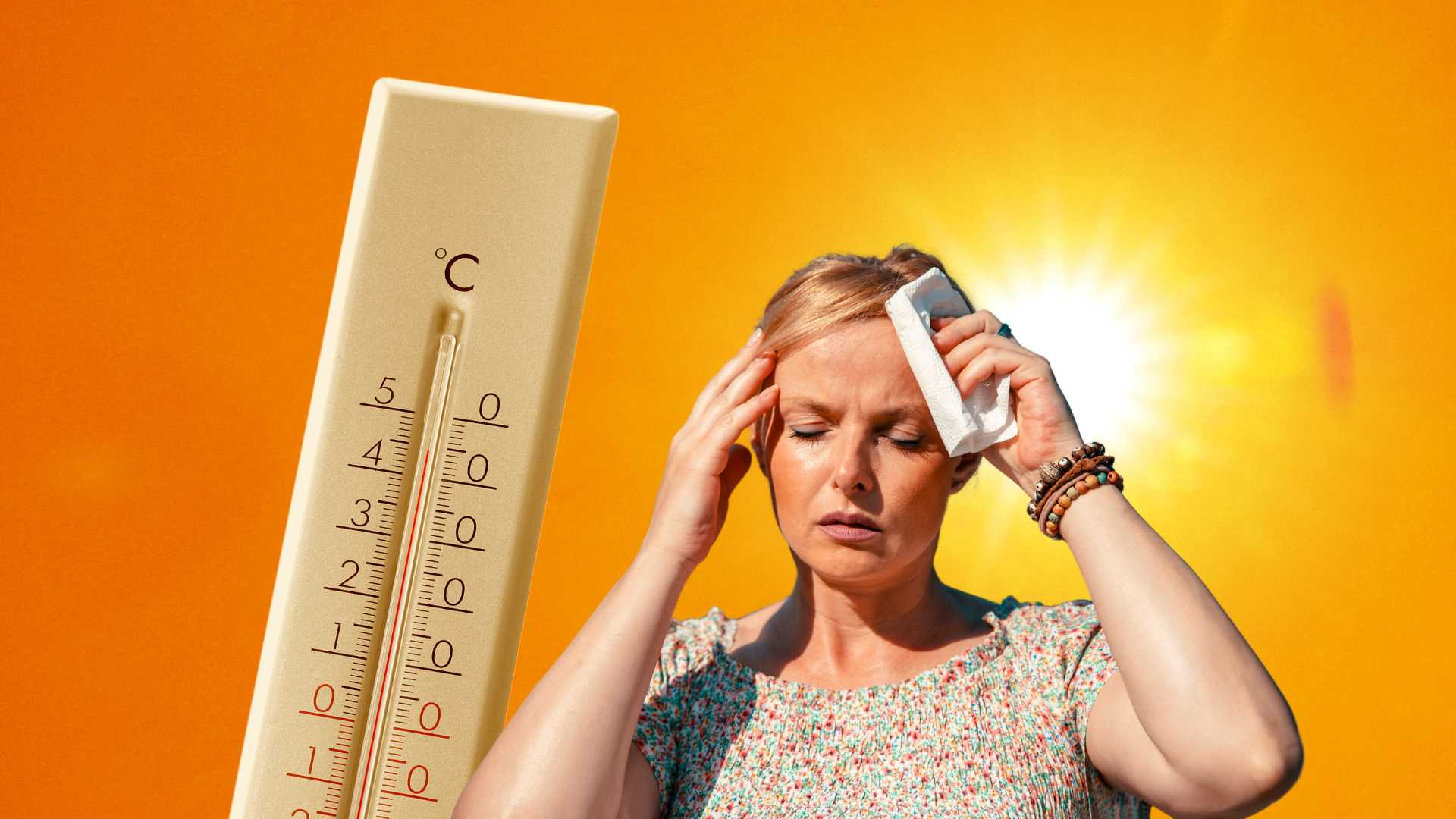
Addressing the Legislative Gap in India's Heat Crisis

The government must implement financial compensation measures for workers impacted by extreme heat, ensuring their rights and livelihoods.
G
Gopi
4 mins read
Rising Heatwaves Expose Deep ‘Thermal Injustice’ Among India’s Workers

Introduction

Over 57% of Indian districts are now heat-prone, yet India's 400–490 million informal workers — construction workers, sanitation staff, gig delivery partners, street vendors — bear the lethal burden of a crisis that the affluent merely manage with air conditioning. Extreme heat has ceased to be a seasonal hardship; it is now a systemic violation of the right to life.

"For the nearly 400–490 million informal workers, heat is not an inconvenience — it is a driver of thermal injustice and a violation of the right to life."

IndicatorData
Heat-prone districts in India57%+
Informal workers at risk400–490 million
Temperature excess in waste-handling zonesUp to 5°C higher than surroundings
Legal trigger gapHeat Index (temp + humidity) not yet adopted
SDRF restrictionOnly 10% usable for non-notified disasters
Key Supreme Court rulingRanjitsinh (2024) — Right to Cool under Art.21

Background & Context

Heatwaves in India have shifted from arid northwest and central plains to humid coastal corridors and traditionally temperate regions. The last two years recorded unprecedented temperatures. However, the thermal canopy is uniform; its impact is not. Class, caste, and gender determine who suffers and how much — creating what analysts call a climate-caste nexus: the most dehumanising occupations carry the highest heat exposure with the least protection.


Key Concepts

Thermal Injustice: The disproportionate burden of extreme heat on low-income, informal, and marginalised workers who lack cooling autonomy — private AC, flexible hours, or protective infrastructure.

Cooling Autonomy: The capacity to regulate one's thermal environment. Absent for construction workers, waste pickers, and gig workers; abundant for the affluent.

Heat Index: A metric combining temperature and relative humidity to reflect true human thermal stress — essential for coastal regions where humidity amplifies heat danger beyond what temperature alone captures.

Algorithmic Pressure (Gig Economy): Time-sensitive delivery penalties imposed by digital platforms that discourage rest even during red-alert heat periods — a structural occupational hazard invisible to existing labour law.


Sector-wise Vulnerability

SectorSpecific Risk
Sanitation/waste workersToxic fumes + heat micro-climates 5°C above ambient; burns from heated waste; caste-determined exposure
Construction workersMetabolic heat + radiant heat from steel/concrete; no rest cycle mandates
Street vendorsIncome loss from perishing goods + customer retreat + health deterioration
Gig delivery partnersAlgorithmic penalties discourage rest; excluded from labour protections as "contractors"
Agricultural workersProlonged outdoor exposure; no PPE; income tied to completion

Legislative Gap:

  • Factories Act, 1948 — protects only indoor "workroom" workers; excludes all outdoor labour.
  • OSHWC Code, 2020 — Section 23 permits but does not mandate heat safety standards; no minimum safety floor exists.
  • No binding heat safety rules, work-rest cycles, or PPE obligations for outdoor workers.

Fiscal Gap:

  • Heatwaves not on the Nationally Notified Disaster list → States restricted to 10% of SDRF for relief.
  • Early warnings remain advisories, not binding mandates for district administrations.
  • No statutory income compensation framework for heat-forced work stoppages.

Reform Framework

1. Notified Disaster Status Accept 16th Finance Commission recommendation — include heatwaves in National Disaster list (2026–31) → unlock NDRF + convert advisories into binding district mandates.

2. Heat Index as Legal Trigger MoL + IMD transition to Heat Index (temperature + humidity) as the primary trigger for heatwave declaration — essential for coastal states currently disadvantaged under temperature-only metrics.

3. OSHWC Code — Section 23 Notification Notify binding heat safety rules: mandatory work-rest cycles, insulated flask provision, sector-specific PPE — as non-negotiable employer obligations.

4. Right to Cool — Art. 21 Based on SC's Ranjitsinh (2024) ruling — recognise Right to Cool as fundamental right; mandate Urban Local Bodies to establish cooling shelters and free public water kiosks.

5. Gig Economy Protection Legally prohibit platforms from imposing delivery time penalties during heat alerts — statutory thermal safety net for gig workers currently excluded by "contractor" classification.

6. Parametric Heat Insurance Launch income compensation provisions for heat-forced work stoppages — modelled on SEWA's parametric heat insurance scheme as a viable blueprint.


Conclusion

India's heat governance architecture is built for a climate that no longer exists. The laws are indoor, the fiscal triggers are narrow, and the protections are discretionary — while the workers are outdoor, the heat is rising, and the injustice is structural. Bridging this gap demands not charitable adaptation but constitutional obligation: recognising thermal safety as a non-negotiable component of the right to life. The transition from advisory to enforceable right is not a technical reform — it is a test of whether India's social contract extends to those who build its cities in the heat it refuses to acknowledge.

Quick Q&A

Everything you need to know

Thermal injustice refers to the unequal distribution of the impacts of extreme heat across different socio-economic groups, where vulnerable populations bear a disproportionate burden. In India, while heatwaves affect nearly all regions, their consequences are deeply stratified along class, caste, and gender lines.

For affluent sections, heat is largely an inconvenience mitigated through air conditioning, insulated housing, and flexible work conditions. However, for nearly 400–490 million informal workers—including construction workers, street vendors, sanitation workers, and gig delivery personnel—heat translates into a direct threat to health, income, and dignity. These individuals lack “cooling autonomy” and are forced to choose between earning a livelihood and safeguarding their health.

The concept also highlights structural inequalities. For instance, sanitation workers and waste pickers, often belonging to marginalised castes, face compounded risks due to exposure to toxic waste and extreme heat. This creates a ‘climate-caste nexus’, where historically disadvantaged communities face intensified climate vulnerabilities. Thus, thermal injustice is not merely an environmental issue but a question of social justice and constitutional rights.

Extreme heat in India has transformed into a systemic crisis due to a combination of climate change, urbanisation, and socio-economic vulnerabilities. Earlier confined to specific regions like the northwest and central plains, heatwaves now affect over 57% of Indian districts, including coastal and temperate zones, indicating a significant geographic expansion.

Climate change has intensified both the frequency and duration of heatwaves, while urban factors such as heat island effects, concrete infrastructure, and reduced green cover exacerbate local temperatures. Additionally, humid coastal regions face a dangerous combination of heat and high humidity, which increases the physiological stress on the human body.

Socio-economic factors further deepen the crisis. A large informal workforce lacks access to protective infrastructure, making them highly vulnerable. Unlike seasonal hardships that can be anticipated and managed, the current heat crisis is persistent, widespread, and structurally embedded in economic and governance systems. Therefore, it requires long-term policy interventions rather than temporary relief measures.

Occupational conditions play a critical role in amplifying the impact of heatwaves, particularly for informal workers who operate in high-exposure and high-risk environments. Unlike formal sector employees, these workers often lack legal protections, safety equipment, and the ability to regulate their work hours.

Different sectors illustrate this vulnerability:

  • Construction workers face high metabolic heat from physical labour combined with heat radiated from materials like steel and concrete
  • Sanitation workers operate in hazardous micro-climates where temperatures are elevated due to decomposing waste and toxic fumes
  • Gig workers face “algorithmic pressure,” where digital platforms penalise delays, discouraging rest even during extreme heat alerts
  • Street vendors experience both health risks and economic losses due to reduced customer footfall and spoilage of goods

These conditions create a situation where workers are forced into a trade-off between health and livelihood. For example, a delivery worker may continue working during peak heat hours to avoid financial penalties, risking heatstroke.

Thus, occupational settings not only expose workers to higher temperatures but also limit their ability to respond adaptively, making heatwaves a severe occupational hazard rather than just an environmental issue.

India’s legal and policy framework for addressing heat-related risks suffers from significant structural and conceptual gaps. Existing laws, such as the Factories Act, 1948, primarily focus on indoor workspaces and fail to address the realities of outdoor labour, where the majority of vulnerable workers are employed.

The newer Occupational Safety, Health and Working Conditions (OSHWC) Code, 2020 also falls short. While Section 23 allows the government to notify standards for working conditions during extreme weather, it does not make such provisions mandatory, leaving them subject to administrative discretion. This results in the absence of enforceable standards like work-rest cycles, hydration requirements, or heat thresholds.

Fiscal limitations further compound the issue. Since heatwaves are not classified as a Notified National Disaster, States can only use limited funds (up to 10%) from disaster relief budgets, restricting their ability to provide compensation or large-scale interventions.

From a critical perspective, the framework treats heatwaves largely as a disaster management issue rather than an occupational safety and public health concern. This leads to fragmented and inadequate responses.

Therefore, there is a need to shift towards a rights-based approach with binding legal standards, adequate funding, and institutional accountability to effectively address thermal risks.

A notable example of innovative intervention is the Self-Employed Women’s Association (SEWA) parametric heat insurance scheme. This initiative provides financial compensation to informal workers when temperatures exceed predefined thresholds, helping offset income losses during extreme heat events.

This model is significant for several reasons:

  • It recognises heatwaves as an economic risk, not just a health hazard
  • Compensation is trigger-based, ensuring timely payouts without complex claims processes
  • It empowers workers by providing a safety net during periods when working conditions become unsafe

For instance, a street vendor unable to operate during a heatwave can receive financial support, reducing the pressure to work in hazardous conditions.

The broader implications of this case study include the potential for scaling such models through public-private partnerships and integrating them into national policy frameworks. It also demonstrates how climate adaptation strategies can be tailored to the needs of informal workers.

Thus, the SEWA model offers a practical blueprint for addressing thermal injustice by combining financial resilience with climate risk management.

The vulnerability of informal workers to heatwaves in India stems from a combination of economic insecurity, lack of legal protection, and environmental exposure. These factors interact to create a situation where workers are disproportionately affected by extreme heat.

Key reasons include:

  • Lack of cooling infrastructure: Informal workers do not have access to air-conditioned environments or shaded workspaces
  • Absence of legal safeguards: Existing labour laws do not adequately cover outdoor workers or mandate heat safety standards
  • Economic compulsion: Daily wage dependence forces workers to continue working despite health risks
  • Occupational hazards: Many jobs involve direct exposure to heat, such as construction or waste management

Additionally, social factors such as caste and gender further exacerbate vulnerability. Marginalised communities are often concentrated in high-risk occupations, while women workers may face additional burdens such as caregiving responsibilities.

Thus, the vulnerability is not accidental but structurally embedded in India’s socio-economic system. Addressing it requires comprehensive reforms that combine labour rights, social protection, and climate adaptation measures.

Reimagining heat governance in India requires a shift from advisory-based approaches to enforceable, rights-based frameworks. This involves integrating climate resilience into labour laws, urban planning, and disaster management systems.

Key measures include:

  • Recognising heatwaves as a Notified National Disaster to unlock financial resources
  • Adopting the Heat Index as a standard metric for declaring heat alerts
  • Notifying binding rules under the OSHWC Code for work-rest cycles and provision of PPE
  • Establishing cooling shelters and public water facilities by urban local bodies

The Supreme Court’s evolving jurisprudence, particularly the interpretation of Article 21 (Right to Life), provides a constitutional basis for recognising a ‘Right to Cool’.

Additionally, governance must address emerging sectors like the gig economy by regulating algorithmic practices and ensuring worker protections during extreme heat.

In conclusion, effective heat governance must treat thermal safety as a core component of the social contract, ensuring that all citizens, regardless of socio-economic status, have access to safe and dignified living and working conditions.

Attribution

Original content sources and authors

Sign in to track your reading progress

Comments (0)

Please sign in to comment

No comments yet. Be the first to comment!