
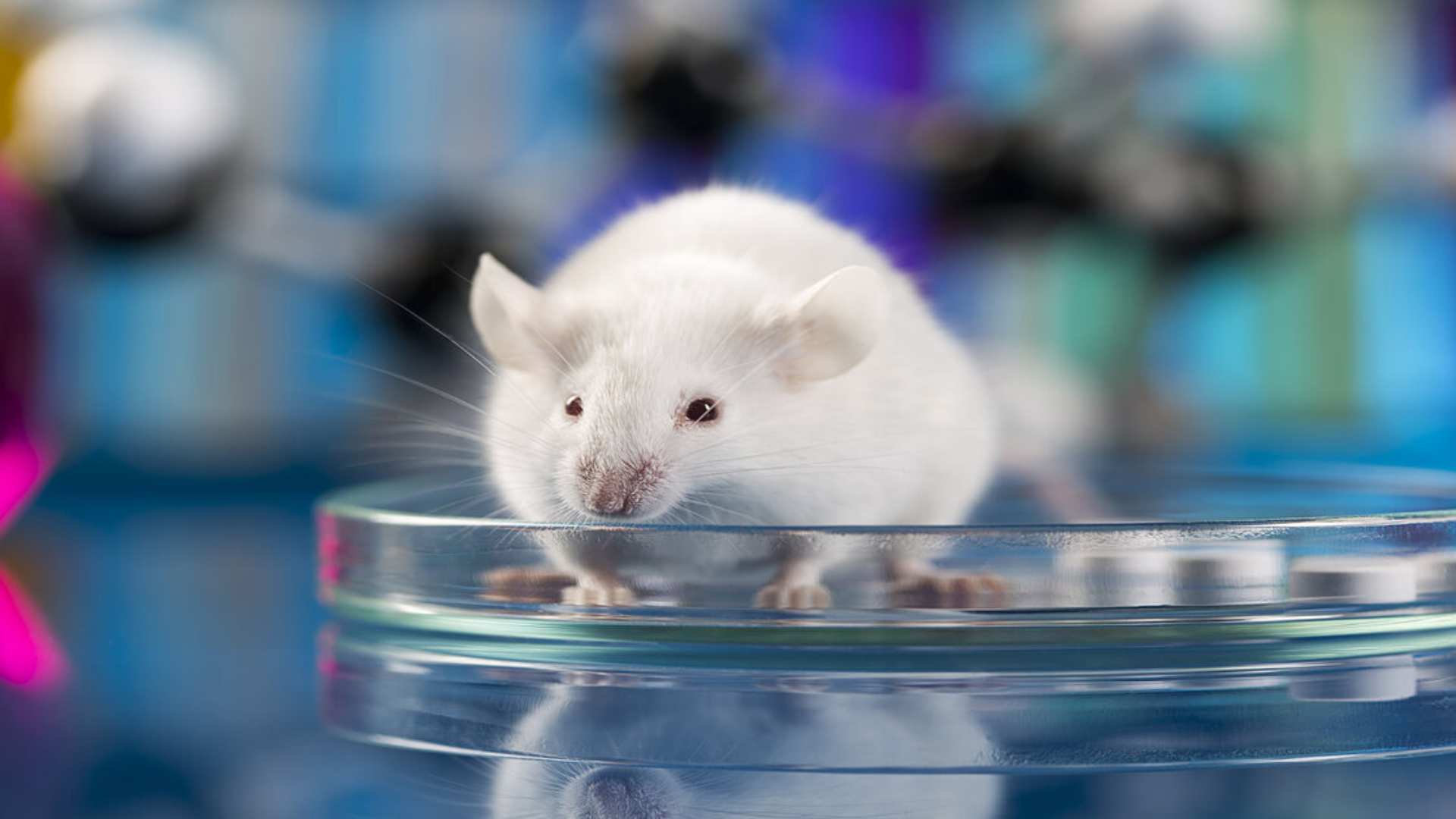
Drug Testing in India: What Is the Problem with Animal Models?

Discover how bioengineered human-relevant systems can replace animal models in biologics research and development.
SuryaSurya
4 mins read
Biologics shift beyond animal testing paradigms

Introduction

Biologics — complex molecules like monoclonal antibodies (mAbs), vaccines, and insulin — are reshaping modern medicine, treating chronic diseases from cancer to rheumatoid arthritis. Global biologics market is projected to exceed $700 billion by 2030. India, recognising this strategic opportunity, announced the Biopharma SHAKTI strategy (₹10,000 crore outlay) in Union Budget 2026 to boost domestic biologics and biosimilars production. However, the sector faces a foundational challenge: traditional animal models poorly predict human biological responses, making next-generation human-relevant testing systems both a scientific necessity and a policy priority.


Key Concepts

Biologics — Large, complex molecules produced by living cells. Examples: monoclonal antibodies (mAbs), insulin, CAR T-cell therapy, vaccines. Used to treat cancer, autoimmune disorders, and chronic diseases.

Biosimilars — Generic versions of biologics, reverse-engineered after the original patent expires. Cheaper, but require rigorous regulatory approval due to complexity.

Non-Animal Methodologies (NAMs) — Bioengineered, human-cell-derived testing systems used as alternatives to animal models.

NAM TypeDescriptionExample Use
OrganoidsMiniature organ-like 3D structures from stem cellsDrug toxicity testing
Organ-on-a-chipMicrofluidic devices mimicking organ functionCAR T-cell therapy trials
3D BioprintingPrinted tissue models using human cellsCancer drug testing

Why Animal Models Fail for Biologics

Biologics bind to specific human receptors that may be absent or functionally different in animals. Two landmark failures illustrate this:

The Northwick Park Tragedy (2006) saw six healthy volunteers develop multiple organ failure during Phase I trials of theralizumab (a mAb for rheumatoid arthritis). Preclinical tests on rhesus monkeys showed no such reaction — because their immune cells respond differently from human cells.

In 2022, semorinemab failed in Phase II trials among 457 Alzheimer's patients despite effectiveness in mouse models, further exposing the predictive gap of animal testing for biologics.

As Prof. Sarfaraz Niazi (University of Illinois) notes: "Biologics bind to particular receptors in the human body. But those receptors are sometimes missing or function differently in animals, which makes animal testing less predictive."


Non-Animal Methodologies: Promise and Progress

Global Momentum

The UK published a roadmap in 2024 to phase out animal experiments and promote NAM adoption. The U.S. FDA has also begun accepting NAM data for certain drug approvals.

India's Regulatory Step

The New Drugs and Clinical Trials (Amendment) Rules, 2023 formally promotes NAM use in novel drug development — a significant regulatory shift.

Scientific Validation

A 2024 study in Cell demonstrated a breast cancer-on-chip model to test CAR T-cell therapy against solid tumours, recreating the tumour microenvironment (abnormal blood vessels, T-cell penetration barriers) without using animals.

Economic Case

A 2019 analysis in Drug Discovery Today estimated organ-on-chip technologies could:

  • Reduce overall drug development costs by 10–26%
  • Cut lead optimisation time by 19%

Challenges

1. Translation Gap Over 90 academic labs in India work on NAMs, but innovation is not converting into industry-ready products. Standardised protocols, documentation, and regulatory-accepted validation frameworks are absent.

2. Funding and Infrastructure Sustained capital investment and lab-scale-to-industry-scale infrastructure are lacking. Biopharma SHAKTI's ₹10,000 crore could address this if directed toward platform-building rather than single-product development.

3. Entrepreneurship and Investment Deficit As Narendra Chirmule (CEO, SymphonyTech Biologics) observes: "Investors are not well versed in the risks and potentials of the biologics industry" — limiting private capital flow into the sector.

4. Patent Evergreening Original biologic manufacturers extend market exclusivity through minor reformulations. Example: trastuzumab (cancer drug) — IV form approved in 2000, but a new subcutaneous formulation patent delayed biosimilar entry until 2018, an 18-year exclusivity window.

5. Regulatory Lag CDSCO (India's apex drug regulator) biosimilar guidelines are still in draft form. Regulatory confidence in independently validated NAM data remains limited, slowing both NAM adoption and biosimilar approvals.


Biopharma SHAKTI: Key Dimensions

DimensionDetail
AnnouncedUnion Budget 2026
Outlay₹10,000 crore
Focus AreasBiologics production, biosimilars, NAM integration
Nodal SupportDBT, ICMR, AIC-CCMB (CPHMS)
Regulatory InterfaceCDSCO biosimilar guidelines (under revision)

Conclusion

India's biologics and biosimilars sector holds strategic importance — for public health, economic self-reliance, and global pharmaceutical competitiveness. Biopharma SHAKTI signals the right intent, but intent must be matched with regulatory clarity, standardised NAM validation frameworks, and a biosimilar-friendly IP environment that addresses patent evergreening. The convergence of human-relevant science and forward-looking policy is what will determine whether India becomes a credible global biologics hub — or remains a downstream market for innovations developed elsewhere.

Quick Q&A

Everything you need to know

Biologics: Biologics are a class of drugs derived from living organisms or cells, including monoclonal antibodies (mAbs), vaccines, and insulin. Unlike conventional small-molecule drugs, biologics are large, complex molecules designed to target specific biological pathways with high precision.

Growing importance:

  • They are highly effective in treating chronic and complex diseases such as cancer, autoimmune disorders, and Alzheimer’s disease.
  • Their targeted mechanism reduces unintended side effects compared to traditional drugs.
  • They represent a rapidly expanding segment of the global pharmaceutical market.

For instance, monoclonal antibodies have revolutionised cancer treatment by targeting specific tumour antigens, while insulin remains critical for diabetes management.

Challenges: Despite their benefits, biologics are expensive, complex to manufacture, and require stringent regulatory oversight. Their development also involves uncertainties due to limitations of traditional testing models.

Conclusion: Biologics represent the future of medicine, offering precision therapies, but their success depends on advancements in testing methods, regulatory frameworks, and manufacturing capabilities.

Limitations of animal models: Animal testing has historically been a cornerstone of drug development. However, biologics interact with highly specific human biological pathways, which may not exist or function similarly in animals.

Key reasons for inadequacy:

  • Species differences: Receptors targeted by biologics may differ between humans and animals.
  • Poor predictive value: Successful animal trials do not guarantee human safety or efficacy.
  • Ethical concerns: Growing emphasis on reducing animal experimentation.

Case studies:
  • The Northwick Park tragedy (2006) showed how a monoclonal antibody caused severe immune reactions in humans despite safe animal trials.
  • The Alzheimer’s drug semorinemab worked in mice but failed in human trials.

Implications: These failures highlight the risks of relying solely on animal models, especially for complex biologics.

Conclusion: The limitations of animal testing necessitate a shift towards human-relevant models that better replicate human physiology, improving safety and efficiency in drug development.

Non-animal methodologies (NAMs): NAMs include advanced systems such as organoids, organ-on-a-chip, and 3D bioprinting, which are derived from human cells and mimic real human biological environments.

Advantages:

  • Higher predictive accuracy: They replicate human physiology more closely than animal models.
  • Cost and time efficiency: Studies suggest a reduction in drug development costs by 10–26% and faster lead optimisation.
  • Ethical benefits: Reduce reliance on animal testing.

Example: A breast cancer-on-chip model has been used to test CAR T-cell therapy, allowing researchers to observe immune responses in a controlled, human-like environment.

Limitations: NAMs require standardisation, validation, and regulatory acceptance before widespread adoption.

Conclusion: NAMs represent a transformative approach to drug development, offering greater accuracy, efficiency, and ethical compliance, particularly for complex biologics.

Potential of NAMs: India has a growing ecosystem of over 90 academic labs working on NAMs, indicating strong research capacity. These models can enhance India’s competitiveness in biologics by improving efficiency, innovation, and global credibility.

Challenges:

  • Limited industry adoption: Research innovations are not translating into commercial applications.
  • Lack of standardisation: Absence of validated protocols and clear context of use.
  • Funding and infrastructure gaps: Sustained investment is required.
  • Regulatory uncertainty: Slow acceptance by authorities like CDSCO.

Critical perspective: While NAMs offer clear advantages, their success depends on bridging the gap between academic research and industry needs.

Conclusion: India must focus on policy support, regulatory clarity, and industry collaboration to fully realise the potential of NAMs in the biologics sector.

Biosimilars: Biosimilars are generic versions of biologics introduced after the original product’s patent expires. They are crucial for making advanced therapies more affordable.

Challenges:

  • Patent evergreening: Companies extend exclusivity by modifying formulations.
  • Regulatory delays: Approval processes by CDSCO can be slow and uncertain.

Example: The cancer drug trastuzumab saw delayed biosimilar entry due to new patents on alternative formulations, extending market exclusivity until 2018.

Implications:
  • Higher drug costs for patients.
  • Reduced competition and innovation.
  • Delayed access to life-saving treatments.

Conclusion: Addressing patent and regulatory barriers is essential for promoting affordable healthcare and a competitive pharmaceutical industry.

Biopharma SHAKTI: Announced in the Union Budget 2026, this initiative aims to strengthen India’s capabilities in biologics and biosimilars manufacturing with a ₹10,000 crore allocation.

Significance:

  • Boosts domestic production: Reduces dependence on imports.
  • Supports innovation: Encourages development of advanced therapies.
  • Enhances global competitiveness: Positions India as a key player in the biologics market.

Strategic importance: The initiative can also support the development of NAMs, creating a robust ecosystem for drug discovery and testing.

Challenges: Effective utilisation requires alignment with industry needs, regulatory reforms, and infrastructure development.

Conclusion: Biopharma SHAKTI is a critical step toward achieving self-reliance and innovation-led growth in India’s pharmaceutical sector.

Case study approach: Integrating NAMs into India’s biologics ecosystem requires a coordinated strategy addressing research, regulation, and industry adoption.

Policy measures:

  • Regulatory reforms: Fast-track approval and validation of NAM-based assays.
  • Funding support: Allocate resources for infrastructure and innovation.
  • Industry collaboration: Encourage partnerships between academia and pharma companies.
  • Capacity building: Train scientists and regulators in advanced technologies.

Example: Establishing centres of excellence for organ-on-chip technologies can accelerate adoption and standardisation.

Balancing factors: Ensure that NAMs complement, rather than abruptly replace, existing systems to maintain safety and reliability.

Conclusion: A well-designed strategy can position India as a leader in next-generation drug development, improving both healthcare outcomes and economic growth.

Attribution

Original content sources and authors

Sign in to track your reading progress

Comments (0)

Please sign in to comment

No comments yet. Be the first to comment!