
1. Overview of Consecutive PSLV Mission Failures
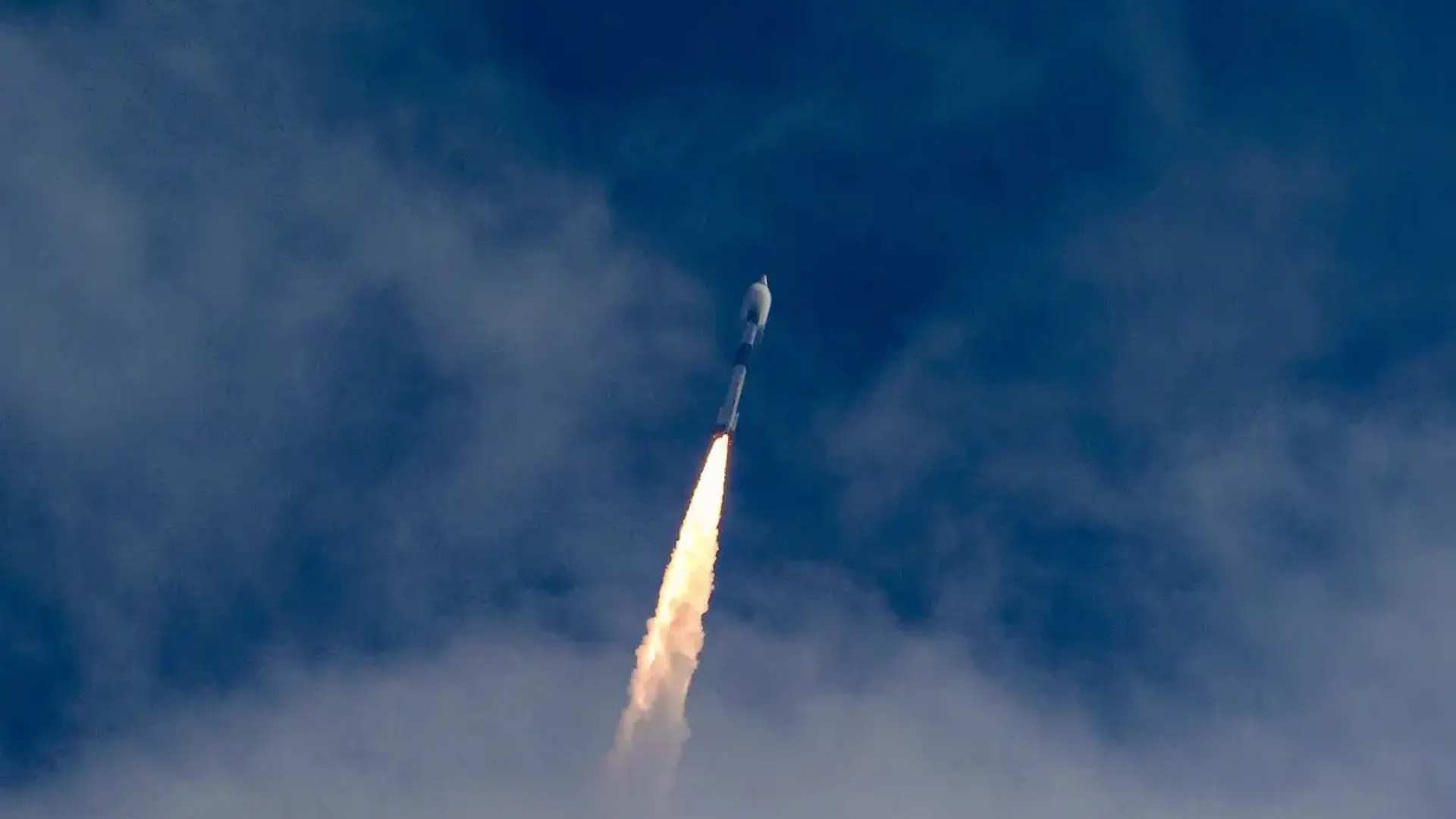
India’s PSLV (Polar Satellite Launch Vehicle) has long been regarded as the reliable “workhorse” of ISRO’s launch fleet, underpinning the nation’s strategic and commercial satellite deployment capabilities. Historically, the PSLV’s consistent success reinforced India’s credibility in space technology and international satellite markets. However, the failures of PSLV-C61 in May 2025 and PSLV-C62 in January 2026 mark a significant deviation from this reliability.
The anomaly in the PS3 stage, a solid fuel motor of the third stage, caused both rockets to fail to reach the intended orbit. The C61 mission carried the EOS-09 (RISAT-1B) satellite, designed for earth observation and disaster management, highlighting the strategic importance of these payloads. Consecutive failures raise concerns about technical robustness, quality assurance protocols, and risk mitigation practices at ISRO.
Understanding the repeat failure underscores the need for rigorous quality checks, as ignoring these issues can compromise strategic satellites and India’s commercial credibility in space launches.
2. Technological and Operational Dimensions
The PSLV is a four-stage launch vehicle with combinations like the XL configuration for heavy payloads. Each stage performs a critical function, with PS3 being a solid fuel motor designed for precise thrust generation. Both the C61 and C62 missions experienced sudden drops in chamber pressure in this stage, resulting in insufficient thrust and mission aborts. Telemetry and stage performance analysis are central to understanding such anomalies.
The PS3 failure illustrates that even technologically mature components can fail due to undetected material, design, or procedural issues. Operational protocols, including stage integration, pre-launch checks, and in-flight monitoring, play a crucial role in mitigating risk.
Impacts:
- Strategic payloads like EOS-09 fail to achieve orbit, affecting surveillance and disaster response.
- Commercial credibility under NSIL is affected; insurance premiums may rise globally.
Technological maturity alone cannot guarantee mission success; robust operational systems and proactive anomaly management are critical for sustaining ISRO’s launch reliability.
3. Strategic and Commercial Implications
ISRO, via NewSpace India Limited (NSIL), is promoting the PSLV as a competitive commercial launch vehicle internationally. Consecutive mission failures affect India’s standing in the global satellite launch market and could increase insurance costs for foreign customers. Strategic applications, including earth observation, disaster management, and surveillance, are jeopardized when mission failures occur.
Impacts:
- Reduced confidence among international satellite operators.
- Potential financial losses due to payload replacement and delayed launches.
Effective governance, transparent reporting, and risk mitigation are essential to safeguard both strategic and commercial interests in the space sector.
4. Institutional Governance and Risk Management
ISRO deploys mechanisms like the Failure Analysis Committee (FAC) to investigate anomalies, assess causes, and recommend corrective actions. However, withholding details from public disclosure may affect accountability and external trust, even if internal processes remain robust. Institutional resilience depends on combining technical investigation with structured quality assurance and risk management frameworks.
Policy measures:
- Strengthen independent verification of stage performance.
- Enhance transparency in FAC reporting while protecting sensitive technical data.
Institutional governance and transparent risk management enhance long-term reliability and maintain public and international confidence in high-stakes missions.
5. Lessons and Way Forward
The repeat PSLV failures demonstrate that technical maturity must be complemented with strengthened quality assurance, rigorous stage testing, and systematic risk mitigation. Prioritizing these measures ensures strategic payloads are secure and commercial operations remain competitive. The balance between maintaining high launch cadence and ensuring robust safety and reliability standards is crucial.
"Failure is simply the opportunity to begin again, this time more intelligently." — Henry Ford
- Comparative example: NASA and ESA emphasize multiple redundant quality checks for mature launch vehicles to prevent repeated anomalies.
Institutional learning from these failures, combined with improved QA protocols, will safeguard India’s space ambitions and strengthen strategic autonomy while sustaining international market confidence.
Conclusion
Consecutive PSLV mission failures highlight gaps in operational oversight and quality assurance, despite technological maturity. Strengthening institutional governance, risk management, and transparency is essential for strategic satellite security and commercial credibility. Addressing these challenges proactively ensures India’s continued progress as a reliable and competitive space-faring nation.
.jpeg)
